
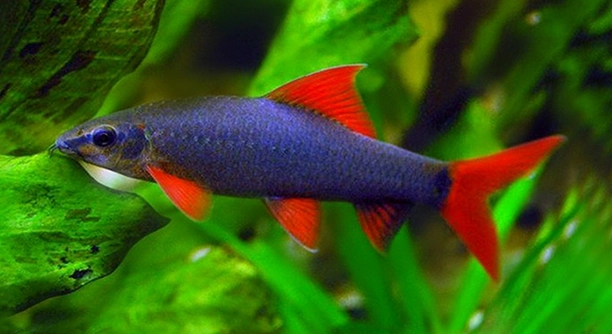
Is your rainbow shark moving less than usual, making you wonder if something might be wrong with its health or tank setup?
The most common reason your rainbow shark is swimming slowly is due to stress or poor water quality. These fish are sensitive to changes in their environment, and improper tank conditions can quickly impact their energy levels and behavior.
Understanding the possible reasons behind this slow behavior can help you take quick and effective steps to improve your fish’s health and comfort.
Poor Water Quality
When the tank water isn’t clean or balanced, your rainbow shark may start to slow down. These fish rely on stable water conditions to stay active and healthy. If ammonia, nitrite, or nitrate levels are off, it can quickly affect how they swim. Even small changes in pH or temperature might cause stress. Make sure the filter is working properly and do regular water changes. A testing kit helps you stay on top of any changes. Keeping a clean tank isn’t just about appearance—it’s about giving your fish a safe place to live. Slow movement often points to discomfort, and it’s usually linked to the water your shark lives in every day.
Use a test kit weekly to check for pH, ammonia, nitrites, and nitrates. This helps you catch issues early before they affect your fish’s behavior.
Always match new water to the same temperature as the tank. Sudden temperature shifts can stress your shark.
Stress from Tank Mates
Rainbow sharks can become stressed when sharing their space with the wrong tank mates. They prefer to be alone or with peaceful fish that don’t challenge them.
Stress from aggression or constant chasing can lead your shark to hide more and swim less. If your rainbow shark is kept with other territorial or fast-swimming species, it may feel threatened. This can cause your fish to slow down to avoid attention. Over time, this behavior becomes more noticeable and concerning. Try to house your shark with calm, non-aggressive fish that stay out of its way. Fish like barbs or gouramis can work if the tank is large enough. Make sure your shark has plenty of hiding spots. Decorations, caves, or plants help it feel secure. Also, avoid adding more than one rainbow shark in the same tank—they’re often aggressive toward each other. Choosing the right tank mates is important for keeping your rainbow shark active and stress-free.
Incorrect Water Temperature
If the water is too cold or too warm, your rainbow shark may slow down and appear less active. These fish need a stable temperature between 75°F and 81°F to stay healthy and move comfortably around the tank.
Fluctuating or incorrect temperatures can affect your shark’s metabolism and behavior. When the water is too cold, your shark may become sluggish. If it’s too warm, oxygen levels drop, making it harder for the fish to breathe and stay active. Use a reliable aquarium heater and thermometer to maintain the right temperature range. Keep the tank away from windows or heaters that may cause shifts during the day. A consistent temperature helps your shark stay active and feel secure. If your home tends to get cold at night, consider using a heater with a built-in thermostat. Daily checks help ensure the water stays within the right zone and keeps your fish from slowing down.
Rapid temperature changes can lead to shock, which may stop your shark from swimming normally. Even a few degrees of difference can make a big impact. Always check the temperature before and after water changes, and adjust slowly if needed. This helps your shark stay comfortable and reduces stress in the long term.
Lack of Oxygen in the Water
Low oxygen levels in the tank can make your rainbow shark swim more slowly. This usually happens in tanks with poor water movement, overcrowding, or high water temperatures, all of which reduce the oxygen available to your fish.
When there isn’t enough oxygen in the water, your shark may start to rest more and stay near the bottom or corners of the tank. You might also notice it breathing heavily or moving its gills more often. To improve oxygen, increase surface agitation using an air stone or a stronger filter output. Adding live plants can also help during the day, as they release oxygen into the water. Avoid overstocking the tank, and make sure waste buildup is kept low with regular cleaning. Warmer water holds less oxygen, so if your tank is running hot, it’s especially important to boost circulation. A well-oxygenated tank helps your rainbow shark stay active and thrive.
Overfeeding
Feeding your rainbow shark too much can lead to bloating and digestive problems, which often cause it to swim less. Uneaten food also breaks down in the tank, affecting water quality and adding extra stress on the fish.
It’s best to feed small amounts once or twice a day. Watch to see if your shark finishes the food in under two minutes. If not, you’re probably giving too much. Overfeeding also leads to cloudy water, which can impact your shark’s comfort and health.
Illness or Infection
If your rainbow shark is swimming slowly, it could be a sign of illness. Internal parasites, swim bladder issues, or bacterial infections often affect how a fish moves. Watch for other symptoms like discoloration, torn fins, swelling, or unusual swimming patterns. Sometimes, the fish may stay near the bottom or avoid food. Isolate the fish if symptoms worsen and consult a vet or aquatic specialist. Keep the water extra clean during treatment and avoid using harsh chemicals unless recommended. Early treatment helps prevent long-term damage and supports recovery. Acting quickly can make a big difference in your shark’s health.
Aging
As rainbow sharks get older, they naturally slow down. It’s a normal part of aging and not always something to worry about. As long as your fish is eating and breathing well, it may just be moving less with age.
FAQ
Why is my rainbow shark hiding and not swimming much?
Rainbow sharks often hide when they’re stressed, sick, or feel threatened. If tank mates are aggressive or if the water quality is poor, your shark might retreat more often. Check ammonia and nitrite levels, and make sure the tank has enough hiding spots. Also, review tank mate compatibility. A peaceful setup helps the fish feel secure. A new environment can also cause hiding for several days. Give it time to adjust. If hiding continues and the fish stops eating, it could be sick and may need to be isolated and treated.
How can I tell if my rainbow shark is sick?
Sick rainbow sharks may swim slowly, rest at the bottom, breathe heavily, or avoid food. Look for signs like swollen belly, faded colors, cloudy eyes, or torn fins. Infections and parasites are common in stressed or poorly kept tanks. Treat with appropriate medication only after identifying the issue. Keep water conditions stable and avoid sudden changes. Quarantine the fish if you see symptoms spreading to others. Most illnesses can be treated if caught early. Improving water quality and keeping a stress-free environment will help recovery.
Can lighting affect how active my rainbow shark is?
Yes, bright or inconsistent lighting can stress your rainbow shark. They prefer a dim, steady light cycle, about 8–10 hours a day. Sudden lighting changes or very bright tanks can make them stay in hiding or swim less. Use a timer to create a consistent day-night rhythm. Add plants or décor to offer shaded areas. If your shark becomes more active after the lights go off, it may be trying to avoid bright light. Adjusting the lighting setup can help your fish stay calm and active during the day.
Do rainbow sharks need a large tank to stay active?
Yes, rainbow sharks need plenty of space to swim and explore. A tank under 30 gallons may restrict movement and cause stress, leading to slow swimming. A 55-gallon tank or larger is recommended. Cramped spaces can lead to aggression or hiding behavior. A bigger tank also makes it easier to manage stable water conditions. Make sure the tank is well-decorated with caves and smooth rocks for hiding but still offers open areas for swimming. Giving your shark enough room will help keep it active and reduce health risks.
What should I feed my rainbow shark to keep it healthy and active?
Offer a mix of high-quality sinking pellets, algae wafers, and occasional vegetables like zucchini or spinach. You can also include protein sources like bloodworms or brine shrimp once a week. A balanced diet keeps your shark’s digestion healthy, which supports energy levels. Overfeeding or offering low-quality food can lead to bloating or sluggishness. Feed once or twice a day in small portions your fish can finish in two minutes. Remove leftovers to keep the water clean. A varied, proper diet plays a big role in your shark’s activity and overall health.
Is slow swimming always a sign of something wrong?
Not always. Sometimes, your rainbow shark is simply resting or responding to minor changes in the tank. If the fish is still eating, breathing normally, and shows no other symptoms, it may just be less active for a short time. Keep observing. If slow swimming continues for days or is paired with hiding, heavy breathing, or lack of appetite, it could be a sign something’s off. Check tank conditions and monitor behavior. Fish, like people, can have slower days too—but repeated changes should be taken seriously.
Final Thoughts
Watching your rainbow shark swim slowly can be concerning, especially when you’re used to seeing it glide across the tank with energy. But in many cases, this behavior has a simple explanation. Water quality, temperature, diet, and tank conditions all play a big role in how your fish acts. If one thing is off, your shark may slow down to show that it’s not feeling comfortable. The good news is that most of these issues are easy to check and fix. By making a few small changes, you can often help your fish feel better and become more active again.
It’s important to pay attention to your shark’s behavior, even if the changes seem small. A rainbow shark that hides more than usual, avoids food, or stays in one spot for too long is often trying to tell you something. Stress is one of the most common causes behind slow movement, and it can come from things like aggressive tank mates, poor lighting, or sudden changes in the tank. Illness is also a possibility, especially if the slow movement is combined with other symptoms. Taking the time to observe your fish and look for patterns can make a big difference. When you respond early, your shark has a better chance of staying healthy.
Caring for a rainbow shark takes a bit of effort, but it can be a very rewarding experience. These fish are beautiful and full of personality when they’re happy and healthy. A clean tank, steady temperature, calm tank mates, and a balanced diet go a long way in keeping your shark active. Try not to make too many changes at once, and give your fish time to adjust if something new is added to the tank. Keep things consistent and simple. Regular maintenance, gentle handling, and patience are the best ways to support your rainbow shark. With the right care, slow swimming doesn’t have to be a lasting issue—it can just be a sign that your fish needs a little extra attention.

Hello,
If you enjoy the content that we create, please consider saying a "Thank You!" by leaving a tip.
Every little bit helps us continue crafting quality advice that supports the health, happiness, and well-being of pets around the world, for pets of all shapes, sizes, and species.
We really appreciate the kindness and support that you show us!