
Rainbow sharks are popular freshwater fish known for their active and social behavior in home aquariums. Many fish keepers want to understand what healthy rainbow shark behavior looks like. This article will guide you through clear signs of their well-being.
Healthy rainbow sharks display regular swimming patterns, interact moderately with tank mates, maintain bright coloration, and show consistent feeding habits. These behaviors indicate a stable environment and good health in the aquarium.
Knowing these behaviors helps you provide better care for your rainbow sharks and ensures a thriving aquatic environment for your fish friends.
Regular Swimming Patterns
Healthy rainbow sharks move smoothly and confidently around the tank. They explore their space without sudden, jerky motions or long periods of hiding. Swimming in a calm and steady way shows they are comfortable in their environment. They often patrol the middle and bottom areas of the tank, which is typical for their species. When they swim regularly, it means their muscles and fins are working well. If you notice erratic swimming or lethargy, it could be a sign of stress or illness. Keeping the tank clean and stable helps maintain this natural behavior. A well-maintained environment supports their ability to swim actively and enjoy their space. Observing this pattern can help you quickly notice if something changes, so you can act before problems grow worse.
Watching your rainbow shark swim steadily and naturally is a good indicator of its overall health.
Consistent swimming also helps rainbow sharks interact with their surroundings and feel secure, which is essential for their happiness.
Interaction With Tank Mates
Rainbow sharks can be territorial but healthy ones usually show balanced interactions with other fish. They may chase others briefly but do not cause harm or constant stress. A peaceful tank with few aggressive encounters means your fish are adjusting well. Some shy fish may hide, but the rainbow shark should not appear overly aggressive. It’s important to watch how your shark behaves with both similar and different species. Healthy social behavior means they recognize tank mates without extreme competition or fear. Sometimes, a healthy shark will follow other fish or swim close without signs of hostility. This balance keeps the aquarium environment calm and supports the well-being of all its inhabitants. Creating enough hiding spots and space helps reduce tension and supports these natural behaviors.
Bright and Consistent Coloration
Bright and steady coloration is a strong sign of a healthy rainbow shark. Dull or faded colors may indicate stress or illness.
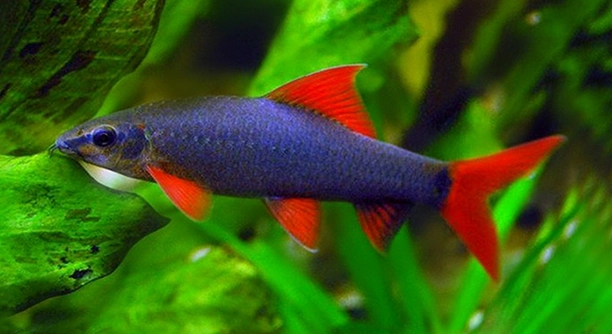
Healthy rainbow sharks display vibrant shades of red, orange, and black. Their colors become more intense during feeding or activity. Stress, poor water quality, or disease can cause colors to fade or become blotchy. Regular water changes and a balanced diet help maintain their bright appearance. If you notice sudden color changes, check water parameters and look for signs of illness. A rainbow shark with rich, even colors is likely in good health and comfortable in its environment.
Maintaining stable tank conditions supports vibrant coloration. Proper nutrition with varied food also enhances their natural hues. Bright colors reflect their overall well-being and readiness to thrive in your aquarium.
Consistent Feeding Habits
Rainbow sharks with steady eating routines tend to be healthier. They show interest in food and eat without hesitation or loss of appetite.
A healthy fish usually responds quickly when food is offered, eagerly swimming to the feeding area. They eat a variety of foods, including flakes, pellets, and live or frozen options. If a rainbow shark refuses food for more than a day or shows picky eating, it could signal stress or illness. Maintaining a regular feeding schedule supports digestive health and energy levels. Avoid overfeeding, which can harm water quality and the fish’s health. Watching how your fish eat helps you detect early signs of problems. Feeding consistently and observing behavior can prevent many common health issues.
Clear Eyes and Healthy Fins
Clear eyes without cloudiness or swelling indicate a healthy rainbow shark. Healthy fins should be intact, without tears or discoloration.
Damaged fins or cloudy eyes often signal infection or poor water conditions. Regular tank maintenance helps keep these signs at bay and supports your fish’s health.
Calm and Alert Behavior
Healthy rainbow sharks remain calm yet alert in their tank. They respond quickly to changes without panic but avoid unnecessary hiding or aggression.
Calm alertness shows that the fish is comfortable and aware of its surroundings. This behavior reflects proper tank conditions and overall well-being.
Smooth Breathing
A steady and gentle breathing pattern is a sign of health. Rapid or labored gill movement can indicate stress or illness.
Monitoring your fish’s breathing helps detect problems early and maintain a healthy tank environment.
How can I tell if my rainbow shark is stressed?
Stress in rainbow sharks often shows through changes in behavior and appearance. They may hide more than usual, swim erratically, or lose their bright colors. You might also notice rapid breathing or a loss of appetite. Stress usually comes from poor water quality, overcrowding, or aggressive tank mates. Keeping the tank clean, providing enough space, and choosing compatible fish can reduce stress. Regular observation helps catch early signs before serious health issues develop.
What does it mean if my rainbow shark is hiding a lot?
Hiding can be normal, especially when your fish is new or adjusting to the tank. However, if hiding becomes constant, it may indicate stress, illness, or poor water conditions. Rainbow sharks prefer some hiding spots but also need open space to swim. Ensure your tank offers a good balance of cover and open areas. If hiding is excessive, check water parameters and tank mates for possible causes.
Why is my rainbow shark’s color fading?
Fading colors can signal stress, poor nutrition, or disease. Water quality problems like high ammonia or nitrite levels also cause color loss. Make sure you feed a balanced diet rich in nutrients that enhance coloration. Frequent water changes and tank maintenance are important to keep conditions ideal. If fading persists, test your water and observe for other signs like lethargy or fin damage.
How often should I feed my rainbow shark?
Feeding once or twice a day is ideal for rainbow sharks. Offer only what they can consume in a few minutes to avoid leftover food that pollutes the water. Variety is key—use high-quality flakes or pellets supplemented with occasional live or frozen foods. Overfeeding can lead to obesity and poor water quality, which harm your fish’s health.
What tank conditions do rainbow sharks need?
Rainbow sharks thrive in tanks with clean, well-filtered water. They prefer temperatures between 74°F and 80°F (23°C to 27°C) and a pH level around 6.5 to 7.5. Provide a tank size of at least 30 gallons with plenty of hiding spots and open swimming areas. Regular water testing and changes maintain stable conditions essential for their well-being.
Can rainbow sharks live peacefully with other fish?
Rainbow sharks can coexist with other species but may be territorial. They usually chase fish of similar shape or size but avoid constant aggression if the tank is spacious enough. Avoid housing them with very small or slow-moving fish that might become targets. Including plenty of hiding places helps reduce conflicts and keeps peace in the aquarium.
What signs show my rainbow shark might be sick?
Look for unusual behavior like sluggish swimming, loss of appetite, or hiding more than usual. Physical signs include faded colors, torn fins, cloudy eyes, or visible spots and lesions. Rapid breathing or gasping at the surface also indicates trouble. Early detection is important—quarantine sick fish and address water quality immediately.
How can I improve my rainbow shark’s health?
Maintain a clean tank with proper filtration and regular water changes. Feed a balanced diet with variety to provide essential nutrients. Monitor tank mates to prevent stress from aggression. Keep water parameters stable and test regularly. Observing your fish daily helps you notice any changes quickly and take action.
Is it normal for rainbow sharks to chase other fish?
Yes, chasing is natural behavior since they are somewhat territorial. Brief chasing is common as they establish boundaries. Problems arise only when chasing leads to injury or constant stress. Proper tank size and hiding spots reduce aggressive encounters. Monitor interactions and separate fish if aggression worsens.
How do I know if my rainbow shark is happy?
A happy rainbow shark swims actively, shows bright colors, eats regularly, and interacts calmly with other fish. They explore their environment and rest comfortably. Calm breathing and clear eyes also reflect good health. These signs indicate your fish is thriving in its home.
Healthy rainbow shark behavior is important to watch for in any aquarium. When these fish show normal swimming patterns, bright colors, and consistent eating habits, it means they are living in a good environment. Paying attention to their actions helps spot any problems early. This can prevent illness and keep your fish comfortable. Taking simple steps like cleaning the tank regularly and feeding balanced food supports their well-being. It also makes your aquarium a more enjoyable place to watch.
Rainbow sharks can sometimes act a bit territorial or shy, but this is normal as long as it does not lead to injury or constant stress. Providing enough space and hiding places reduces tension between fish. Clear eyes, smooth breathing, and healthy fins are other signs that your fish are doing well. When any of these signs change, it is a good idea to check water quality and tank conditions. These small observations add up to a big picture of your fish’s health.
Caring for rainbow sharks means being patient and consistent. They need stable tank conditions and regular feeding to stay healthy. Watching for simple behaviors like calm swimming and alertness helps you know your fish is comfortable. If you notice changes, quick action can make a big difference. Keeping your aquarium clean and providing good food goes a long way. With care and attention, your rainbow sharks can live a long and happy life.

Hello,
If you enjoy the content that we create, please consider saying a "Thank You!" by leaving a tip.
Every little bit helps us continue crafting quality advice that supports the health, happiness, and well-being of pets around the world, for pets of all shapes, sizes, and species.
We really appreciate the kindness and support that you show us!