
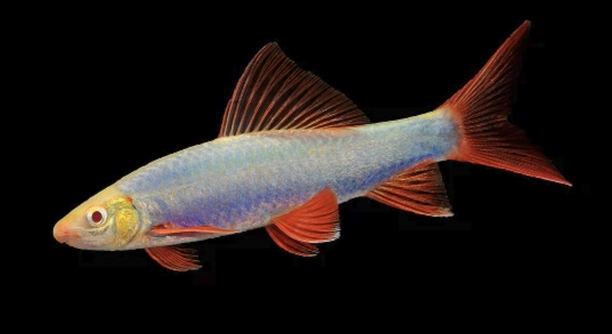
Rainbow sharks are popular aquarium fish known for their vibrant colors and active behavior. Feeding them a proper diet is essential to keep them healthy and vibrant. Many owners want to know how to improve their rainbow shark’s diet for better care.
Improving a rainbow shark’s diet involves offering a balanced mix of high-quality pellets, live or frozen foods, and occasional vegetables. This ensures they receive necessary nutrients, maintain energy levels, and promote overall health and longevity in an aquarium setting.
Understanding the right foods and feeding habits can make a significant difference in your fish’s wellbeing. The following tips will help you provide a more nutritious and satisfying diet for your rainbow shark.
Provide High-Quality Pellet Food
Choosing the right pellet food is essential for your rainbow shark’s diet. Pellets designed specifically for omnivorous fish contain balanced nutrients that support their growth and health. Look for pellets with protein sources like fish meal or shrimp meal near the top of the ingredients list. Avoid fillers like excessive grains or artificial additives, as they offer little nutritional value. Feeding pellets daily helps maintain a consistent nutrient intake, which supports your fish’s immune system and coloration. It is also important to select pellets that are appropriately sized for your rainbow shark to avoid choking or wasting food. Pellets should be stored in a cool, dry place to preserve their freshness and nutrient content. Overfeeding can lead to water quality problems, so feed small amounts two to three times a day, ensuring your fish consumes all the food within a few minutes. This approach keeps your aquarium cleaner and your rainbow shark healthier.
Feeding high-quality pellets regularly ensures your rainbow shark receives the essential nutrients needed for strong health and vibrant colors.
Incorporating the right pellet food forms the foundation of a balanced diet. Quality pellets provide protein, fats, vitamins, and minerals essential for daily energy and long-term vitality. They also help maintain your fish’s bright colors and active behavior. Avoid low-quality pellets that may cause digestive issues or malnutrition. Proper feeding schedules prevent overfeeding and reduce waste buildup in the tank, which can harm water quality. Balancing pellet food with other diet components is necessary to meet all nutritional needs. Combining pellets with fresh or frozen live foods introduces variety and mimics natural feeding habits. Paying attention to the type, quality, and quantity of pellets significantly improves your rainbow shark’s overall health and lifespan.
Include Live or Frozen Foods
Live or frozen foods add important nutrients and variety to your rainbow shark’s diet. These foods provide protein and stimulate natural foraging behaviors.
Adding live or frozen foods such as bloodworms, brine shrimp, and daphnia introduces essential proteins and fats that pellets alone may lack. These foods are rich in amino acids and vitamins, contributing to muscle development and vibrant coloration. Feeding live or frozen options a few times a week enhances appetite and mimics the shark’s natural diet. Be sure to source these foods from reputable suppliers to avoid introducing diseases. Thaw frozen foods before feeding, and remove any uneaten portions promptly to maintain water quality. Live foods also encourage natural hunting instincts, providing mental stimulation that promotes overall wellbeing. Combining pellets with these nutrient-rich supplements supports a well-rounded diet and prevents nutritional deficiencies.
Live and frozen foods supply necessary nutrients and encourage natural behaviors, improving the health and activity of your rainbow shark in a home aquarium.
Add Vegetables to Their Diet
Vegetables supply important vitamins and fiber for your rainbow shark. Leafy greens and peas are good choices.
Blanched spinach, zucchini, and peas provide fiber that helps digestion and prevent constipation. These vegetables also supply essential vitamins like A and C, which support immune health. Make sure vegetables are chopped into small pieces for easy consumption. Offering vegetables once or twice a week adds variety and balances their mostly protein-based diet. Some rainbow sharks may be hesitant at first, so try mixing vegetables with pellets or live food to encourage eating. Avoid overfeeding vegetables to maintain proper nutrient balance.
Including vegetables diversifies the diet and promotes digestive health, complementing protein sources and supporting overall wellness.
Feed Small Portions Multiple Times Daily
Feeding small meals throughout the day helps regulate digestion and reduces waste buildup in the tank.
Dividing the daily food allowance into two or three small portions keeps your rainbow shark’s metabolism steady. Smaller meals prevent overeating, which can cause water pollution and health problems like bloating. Feeding more frequently mimics natural feeding patterns and helps maintain energy levels. Always remove uneaten food to keep the water clean and avoid harmful ammonia spikes. Observe your fish’s behavior during feeding times to adjust portion sizes if necessary. Consistent, controlled feeding ensures better nutrient absorption and supports a stable aquarium environment, which is crucial for your rainbow shark’s long-term health.
Avoid Overfeeding Your Rainbow Shark
Overfeeding can lead to poor water quality and health problems. Feed only what your fish can consume within a few minutes.
Controlling food amounts prevents leftover waste from decomposing and raising toxin levels in the tank. This keeps your rainbow shark healthier and the aquarium cleaner.
Use Vitamin Supplements if Needed
Vitamin supplements can fill nutritional gaps if your fish’s diet lacks variety. Use them sparingly.
Supplements should complement a balanced diet, not replace natural foods. Consult care guidelines or experts before adding vitamins to avoid overdosing or imbalances.
Monitor Your Fish’s Eating Habits
Watch how your rainbow shark eats to detect changes in appetite or behavior.
Changes might indicate health issues or dietary deficiencies needing adjustment or veterinary attention.
How often should I feed my rainbow shark?
Feeding your rainbow shark two to three times a day with small portions is ideal. This schedule keeps their metabolism steady and prevents overeating, which can harm water quality and fish health. Each feeding should provide only what the fish can eat in about two to three minutes to avoid leftover food buildup.
Can rainbow sharks eat flakes instead of pellets?
While flakes are available, pellets are generally preferred because they sink and are easier for bottom-dwelling fish like rainbow sharks to eat. Pellets also tend to have a better nutrient balance suited for omnivorous fish. Flakes can be used occasionally, but relying on pellets and live or frozen foods is best.
What types of live foods are best for rainbow sharks?
Bloodworms, brine shrimp, and daphnia are common live food choices. These options provide essential proteins and fats that help support muscle development and coloration. Feeding live foods two or three times a week adds variety and encourages natural hunting behavior, benefiting overall health.
Are vegetables really necessary in their diet?
Yes, vegetables offer fiber and vitamins that promote digestion and boost immunity. Leafy greens, peas, and zucchini are good examples. Feeding vegetables once or twice weekly adds essential nutrients missing from pellet or live food diets. Be sure to prepare them properly by blanching and chopping.
How do I know if I am overfeeding my fish?
If you notice uneaten food lingering after feeding or cloudy water, overfeeding is likely. Also, if your fish appear bloated or sluggish, it may be a sign. Reducing portion sizes and feeding less frequently can improve water quality and fish health.
Can I feed my rainbow shark only pellets?
Feeding only pellets is possible but not ideal. Pellets provide basic nutrition but lack variety and some essential nutrients found in live, frozen, or vegetable foods. A mixed diet ensures better health, color vibrancy, and longevity.
Should I use vitamin supplements regularly?
Vitamin supplements can help if your rainbow shark’s diet is limited or if you notice signs of deficiency. However, they should not replace natural foods. Use supplements cautiously and follow recommended dosages to avoid negative effects.
What is the best way to introduce new foods?
Introduce new foods gradually by mixing them with familiar pellets or other diet staples. This approach helps your fish adjust without stress or rejection. Observe how they respond and adjust accordingly.
How important is water quality in relation to diet?
Water quality is crucial. Uneaten food and overfeeding can quickly degrade water, leading to ammonia buildup that stresses fish. Maintaining clean water supports digestion and overall health, making a balanced diet more effective.
Can rainbow sharks eat human food?
Human food is generally not recommended. Some cooked vegetables like peas can be given, but avoid processed or seasoned items. Stick to foods designed for fish to ensure safety and nutrition.
This FAQ covers common concerns about feeding rainbow sharks, helping maintain a healthy and balanced diet tailored to their needs.
Feeding a rainbow shark a well-balanced diet is essential for its health and happiness. Providing a mix of high-quality pellets, live or frozen foods, and vegetables ensures your fish receives the nutrients it needs. Each type of food plays a specific role in supporting different aspects of your rainbow shark’s wellbeing, from growth and coloration to digestion and immune function. Paying attention to the quality and variety of foods helps prevent nutritional deficiencies and supports a longer, healthier life in the aquarium.
Proper feeding habits are just as important as the food itself. Feeding small amounts multiple times a day prevents overfeeding and reduces waste, which keeps the tank cleaner and the water quality stable. Overfeeding can lead to health problems like bloating or poor digestion and can also cause an increase in harmful ammonia levels in the aquarium. Watching how much your rainbow shark eats and adjusting portions accordingly is an important part of maintaining a good feeding routine. Removing uneaten food quickly helps maintain a clean environment, which benefits your fish’s overall health.
It is also important to monitor your fish for changes in eating habits or behavior, as these can indicate health issues or dietary problems. If your rainbow shark stops eating or appears less active, it might be time to reassess its diet or check the water conditions. Sometimes, vitamin supplements can be helpful, but they should only be used as a supplement to a balanced diet, not as a replacement for natural foods. Overall, consistent care and attention to diet will improve your rainbow shark’s vitality and ensure it thrives in your aquarium.

Hello,
If you enjoy the content that we create, please consider saying a "Thank You!" by leaving a tip.
Every little bit helps us continue crafting quality advice that supports the health, happiness, and well-being of pets around the world, for pets of all shapes, sizes, and species.
We really appreciate the kindness and support that you show us!