
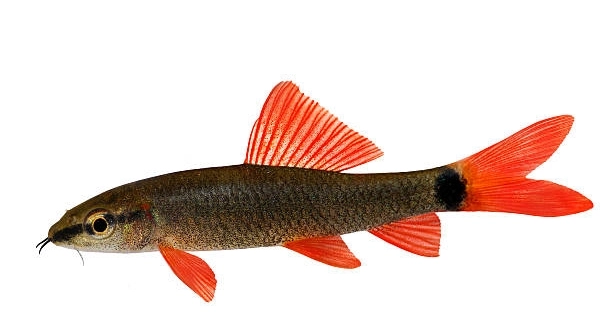
Rainbow sharks are popular aquarium fish known for their vibrant colors and active behavior. However, tankmate disputes among rainbow sharks can cause stress and harm to the fish. Managing these conflicts is important for a healthy and peaceful tank environment.
Resolving rainbow shark disputes involves understanding their territorial nature and providing adequate space, hiding spots, and compatible tankmates. Proper tank size and environmental enrichment reduce aggression, promoting a stable community where fish coexist with minimal conflict.
These practical tips will help you maintain harmony in your aquarium and keep your rainbow sharks thriving without constant disputes.
Understanding Rainbow Shark Behavior
Rainbow sharks are naturally territorial, especially as they grow older. They often stake out specific areas in the tank and can become aggressive if other fish invade their space. This territorial behavior can lead to chasing, fin nipping, and stress among tankmates. To reduce these conflicts, it is important to observe their interactions closely and recognize signs of tension early. Providing plenty of hiding spots and plants creates natural boundaries that help the fish feel secure. Changing the tank layout occasionally can also disrupt established territories and reduce aggression. Keeping a balanced number of fish and avoiding overcrowding further supports peaceful coexistence. Each rainbow shark may have a slightly different temperament, so monitoring their behavior over time helps tailor your approach to managing disputes.
Creating an environment that respects their territorial instincts can make a big difference in reducing aggression and stress among your fish.
Consistently maintaining clean water and stable conditions supports their overall well-being. Aggressive behavior often increases when fish are stressed by poor water quality or sudden changes. Keeping parameters stable helps minimize unnecessary conflict and promotes a calm aquarium environment for all inhabitants.
Selecting Compatible Tankmates
Choosing fish that can coexist peacefully with rainbow sharks is essential for a harmonious tank. Ideal tankmates tend to be fast swimmers or occupy different tank levels to avoid competition. Bottom dwellers like Corydoras catfish or certain peaceful tetras usually do well because they do not directly compete for the same space. Avoid slow-moving or long-finned species that might become targets of aggression. Compatibility also depends on tank size; a larger tank with more hiding spots allows for a wider variety of species. It is important to research each species’ temperament and environmental needs before adding them. Sometimes, trial and error may be necessary to find the best combination. Introducing new fish slowly and monitoring interactions closely during the adjustment period helps prevent escalated conflicts.
Choosing the right tankmates plays a crucial role in reducing disputes and maintaining balance.
When selecting tankmates, consider their temperament, swimming habits, and size compared to your rainbow sharks. The goal is to create an environment where fish can coexist without frequent stress or competition for resources. Some species naturally avoid confrontation, while others may stand their ground, so matching personalities matters. Providing adequate space, plenty of plants, and varied hiding spots ensures fish can establish their own territories or retreat when needed. Keeping the tank well-maintained and avoiding overcrowding further supports peaceful relations. By carefully selecting compatible species and managing their environment, you can reduce disputes and create a thriving aquarium where rainbow sharks and their tankmates live in harmony.
Proper Tank Size and Setup
A spacious tank reduces competition and aggression among rainbow sharks. At least 55 gallons is recommended for multiple sharks, allowing each enough territory.
A larger tank provides room for hiding spots and plants, which break up sight lines and limit territorial disputes. Dividers or decorations can create visual barriers that reduce stress and aggression. Ensuring strong filtration and stable water quality also supports fish health, decreasing irritability that can lead to fights. The layout should allow fish to swim freely and avoid constant confrontation. Using driftwood, rocks, or dense vegetation creates natural boundaries, helping sharks feel secure and less likely to challenge tankmates. Proper tank size and thoughtful arrangement are fundamental to reducing disputes and maintaining a peaceful environment.
Tank setup affects both physical space and psychological comfort for rainbow sharks. Overcrowded or bare tanks increase stress and territorial behavior. Investing in a well-planned tank layout benefits the entire aquarium community.
Feeding Techniques to Reduce Disputes
Feeding time can trigger aggression if food is scarce or unevenly distributed. Offering multiple feeding spots spreads out the fish and minimizes competition. Using sinking pellets or wafers allows bottom dwellers and sharks to feed without crowding at the surface. Feeding smaller amounts several times a day prevents hunger-driven fights. Avoid overfeeding to maintain water quality and prevent food waste that can encourage territorial guarding. Observing feeding behavior helps identify aggressive individuals that might need special attention. Consistency in feeding schedule and quantity helps keep fish calm and reduces anxiety around food.
Distributing food evenly and maintaining regular feeding habits support a peaceful tank. Proper feeding reduces competition and the likelihood of aggressive encounters.
Feeding techniques play a critical role in managing disputes among rainbow sharks. Unequal access to food often leads to dominance and chasing. Ensuring all fish receive adequate nutrition lessens aggression and supports overall health. Different fish may prefer different food types or locations, so accommodating their needs encourages harmony. Avoiding sudden changes in diet or feeding routine prevents stress. Careful attention to feeding habits helps maintain balance in the tank and promotes positive interactions among all inhabitants.
Monitoring and Adjusting Lighting
Proper lighting helps regulate rainbow sharks’ activity and stress levels. Too bright or inconsistent lighting can increase aggression and restlessness.
Using a timer ensures a regular light-dark cycle, which supports fish health and behavior. Dimmer lighting or shaded areas give fish places to retreat, reducing tension during disputes.
Using Tank Dividers When Needed
Tank dividers can temporarily separate aggressive rainbow sharks to prevent injury. This allows fish to calm down without constant physical confrontation. Dividers are useful during acclimation or after introducing new fish. They provide a safe way to establish territories gradually before full interaction.
Regular Tank Maintenance
Consistent cleaning and water changes keep the environment stable and healthy. Poor water quality stresses fish and can trigger aggression. Maintaining proper parameters like temperature, pH, and ammonia levels is essential. A clean tank promotes calm behavior and reduces the likelihood of disputes.
Recognizing Signs of Serious Aggression
Severe aggression includes persistent chasing, fin damage, or hiding. When these signs appear, immediate action is necessary to prevent injury or death.
FAQ
How can I tell if my rainbow shark is being too aggressive?
Aggression in rainbow sharks shows as chasing, nipping fins, or territorial displays like flaring fins and head-down postures. If one shark consistently chases or corners other fish, it may be too aggressive. Watch for damaged fins or stressed behavior such as hiding or loss of appetite in tankmates.
Can overcrowding cause disputes among rainbow sharks?
Yes. Overcrowding limits space and increases competition for territory and food. This raises stress levels and provokes fights. Keeping the tank size appropriate for the number of fish and providing plenty of hiding places reduces overcrowding issues and helps maintain peace.
What tank size is best for multiple rainbow sharks?
A minimum of 55 gallons is recommended for keeping two or more rainbow sharks. Larger tanks allow enough room for each shark to claim territory and avoid constant contact. Smaller tanks often increase aggression due to lack of space.
Are there specific fish that should never be kept with rainbow sharks?
Avoid slow-moving or long-finned species like angelfish or bettas. These fish can become targets for fin nipping. Also, highly territorial or aggressive fish may cause conflict. Choose peaceful, fast-swimming species that occupy different tank levels to minimize competition.
How often should I feed my rainbow sharks?
Feeding small amounts two to three times daily helps prevent hunger-driven aggression. Evenly distribute food throughout the tank to avoid crowding in one area. Overfeeding can harm water quality, so balance is important.
Can rearranging the tank reduce aggression?
Yes. Changing the tank layout disrupts established territories and reduces repeated conflicts. Adding or moving decorations, plants, and hiding spots breaks sight lines and helps sharks establish new boundaries, which decreases aggression.
Is it necessary to use tank dividers?
Tank dividers can be helpful when introducing new sharks or separating aggressive individuals. They allow fish to see each other without physical contact, reducing stress and injury risk while territories settle. Use dividers temporarily until fish calm down.
What water parameters should I maintain to reduce disputes?
Maintain stable temperature around 72-79°F (22-26°C), pH between 6.5 and 7.5, and low ammonia and nitrite levels. Sudden changes or poor water quality stress fish and increase aggression. Regular water testing and changes keep the environment stable and calm.
How do hiding spots help with disputes?
Hiding spots provide refuge for less dominant fish to escape aggression. Plants, caves, and decorations create visual barriers and reduce direct confrontations. These safe areas help fish feel secure, lowering stress and the chance of disputes.
What should I do if aggression persists despite all efforts?
If aggression continues, consider separating the most aggressive fish permanently or rehoming one. Persistent fighting can cause injury or death. It’s important to prioritize the health and safety of all fish in the tank. Consulting with a specialist or experienced aquarist can offer additional solutions.
Final Thoughts
Managing disputes among rainbow sharks requires patience and attention to their natural behaviors. These fish are territorial by nature, so some level of aggression is expected. However, understanding the causes and taking steps to reduce tension can lead to a more peaceful aquarium. Providing enough space, hiding spots, and compatible tankmates are essential in minimizing conflicts. A well-planned environment supports not only the health of rainbow sharks but also the well-being of all tank inhabitants. This balance is key to creating a thriving aquarium where fish coexist comfortably.
Consistent tank maintenance and proper feeding routines also play important roles in preventing disputes. Clean water and stable conditions keep stress levels low, reducing the chances of aggressive behavior. Feeding multiple times a day and distributing food evenly helps avoid competition that can lead to fights. Monitoring the fish regularly allows early detection of problems so they can be addressed before escalation. Small adjustments in lighting, tank layout, or tankmate selection can make a noticeable difference in fish interactions. Keeping a close eye on how the fish behave and react will guide ongoing care.
Sometimes, even with the best care, aggression may persist. In these cases, it is important to act quickly to protect all fish. Using tank dividers or separating aggressive individuals can prevent injuries. Rehoming a particularly aggressive fish may also be necessary to maintain peace. Prioritizing the safety and health of your fish is the most responsible choice. By combining knowledge of rainbow shark behavior with practical care techniques, you can reduce disputes and enjoy a harmonious aquarium for years to come.

Hello,
If you enjoy the content that we create, please consider saying a "Thank You!" by leaving a tip.
Every little bit helps us continue crafting quality advice that supports the health, happiness, and well-being of pets around the world, for pets of all shapes, sizes, and species.
We really appreciate the kindness and support that you show us!