
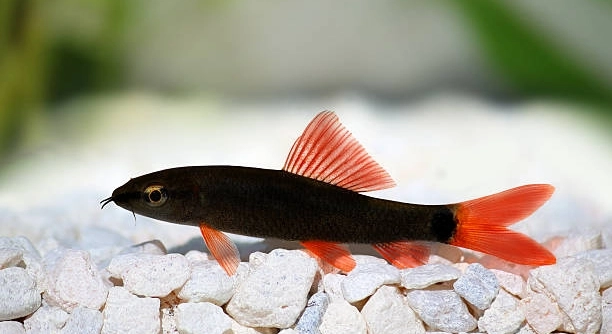
Rainbow sharks are popular freshwater fish known for their vibrant colors and active behavior. Understanding their mating habits can help hobbyists maintain a healthy aquarium environment. Observing subtle signs during mating season can make a noticeable difference in care.
Rainbow shark mating behavior can be identified through specific signs such as increased territorial aggression, chasing between males and females, nest building activities, color intensification, and changes in swimming patterns. Recognizing these behaviors aids in successful breeding management.
Learning to spot these behaviors can improve your ability to care for rainbow sharks during breeding periods. This knowledge supports a balanced and thriving aquarium ecosystem.
Increased Territorial Aggression
Rainbow sharks become noticeably more territorial during mating periods. Males often patrol their areas more aggressively, chasing away other fish to protect their space. This behavior helps establish dominance and signals readiness to mate. Females may also show slight aggression, but it is usually less intense than that of males. Observing these changes can alert you that breeding activity is about to begin. This territorial behavior can sometimes cause stress in a crowded tank, so it is important to provide enough hiding places and space to reduce conflict. Adjusting tank conditions can help maintain peace while allowing natural mating behaviors to occur. Recognizing territorial aggression early gives you the chance to prepare for the next stages of breeding and ensure the health of all fish involved.
Aggression peaks as males defend their chosen area to attract females and ward off rivals. Proper tank setup helps minimize stress.
Territorial behavior is a clear indicator of breeding readiness in rainbow sharks. Males establish dominance by chasing off competitors and marking their space. This natural behavior helps secure a safe environment for spawning. Providing ample hiding spots and room reduces stress and aggression, supporting healthier interactions. Monitoring aggression levels also helps identify which fish are most likely to breed, making it easier to manage the tank population and breeding success.
Nest Building Activities
Rainbow sharks prepare for spawning by searching for suitable nesting sites. They may clear small areas on the tank floor or around decorations. This behavior signals readiness to lay eggs. Watching for nest-building can help you anticipate the next phase of mating. Proper substrate and tank decoration encourage this natural activity, promoting successful reproduction.
Nest preparation is a key step before spawning and indicates that mating will soon take place.
Nest building involves clearing surfaces for egg laying, often near flat stones or smooth tank areas. This behavior is a sign that females are ready to deposit eggs and males will fertilize them. Supporting this natural instinct with proper tank conditions, such as smooth rocks and gentle substrate, encourages breeding. It also provides safe places for eggs to develop and hatch, increasing survival rates. Observing nest-building behaviors allows timely adjustments in tank maintenance and care to support the eggs and protect the developing fry.
Color Intensification
During mating periods, rainbow sharks often display brighter, more intense colors. This change signals fitness and readiness to mate, especially in males. The vibrant colors help attract females and can also serve as a warning to rivals.
Color intensification is caused by hormonal changes linked to reproduction. The brighter hues improve chances of successful mating by making males more visible and appealing to females. This natural shift also helps establish dominance among competing males. Observing this color change can help identify which fish are actively involved in breeding. Providing good nutrition and optimal water conditions enhances the vibrancy of their colors, supporting healthy mating behaviors. Recognizing this sign early can improve your management of breeding pairs.
In some cases, color changes can indicate stress, so it is important to watch for additional signs. Consistent water quality and a balanced diet help maintain natural color intensities. Avoid overcrowding, which may reduce color brightness due to stress. Watching for color intensification combined with other mating behaviors gives a clearer picture of your rainbow sharks’ breeding status.
Changes in Swimming Patterns
Rainbow sharks alter their swimming during mating periods, often swimming in quick, darting movements or circling potential mates. This change is part of their courtship behavior and helps strengthen pair bonds. Males may chase females, displaying their agility.
These new swimming patterns are deliberate and different from normal behavior. Fast, erratic swimming or slow, deliberate circling are both common. The behavior signals interest and helps fish communicate readiness to mate. Such activity also serves to test the reactions of potential mates and competitors. Monitoring these patterns allows you to track the progression of mating behavior and make adjustments if needed, such as providing more space or reducing tank stressors.
Recognizing these swimming changes early can improve breeding success. They indicate when to prepare for egg laying and potential tank modifications. Providing a calm environment with room to swim freely supports these behaviors and promotes a smoother mating process. Observing the interactions between males and females during these movements offers valuable insight into the reproductive cycle.
Chasing Behavior
Chasing is a common sign of mating readiness among rainbow sharks. Males often pursue females as part of their courtship display. This behavior can seem aggressive but is normal during breeding periods.
The intensity and frequency of chasing increase as mating time approaches. It is important to ensure enough space in the tank to prevent stress or injury from prolonged chasing.
Nest Guarding
After eggs are laid, one or both parents may guard the nest. This behavior helps protect eggs from predators and other fish. Guarding is essential to ensure the survival of the offspring.
Vocalizations and Sounds
Rainbow sharks sometimes produce subtle sounds during mating. These noises, though quiet and hard to detect, are part of communication between mates. Paying attention to these sounds can provide additional clues about breeding activity.
Physical Contact
Physical contact between males and females increases during mating periods. This includes rubbing or nudging, which helps stimulate spawning. Noticing these interactions can confirm active mating behavior.
How can I tell if my rainbow shark is ready to mate?
A rainbow shark ready to mate will show increased territorial behavior, with males becoming more aggressive and chasing other fish. Their colors often become brighter, and they may build or clear nesting areas. Changes in swimming patterns like circling or darting around potential mates are common. Watching for these behaviors together provides the clearest sign that your fish is ready for breeding.
What should I do to prepare my tank for mating rainbow sharks?
Provide plenty of hiding places and enough space to reduce stress during aggressive displays. Smooth rocks or flat surfaces help with nest building. Keep water quality high and maintain stable temperature and pH to support breeding. Avoid overcrowding as this can increase aggression and reduce mating success. A well-prepared tank encourages natural behavior and better survival for eggs and fry.
Is chasing behavior harmful to other fish in the tank?
Chasing is a natural mating behavior but can become stressful if the tank is too small or overcrowded. Make sure there is enough room and hiding spots to allow fish to escape when chased. If aggression is excessive, separating the fish temporarily may be necessary. Proper tank management reduces harm and supports healthy mating.
How long does the mating process last for rainbow sharks?
The active mating behaviors such as chasing and nest building usually last several days. Egg laying and guarding follow soon after. Fry typically hatch within a few days of eggs being laid. Monitoring the fish during this time helps ensure their needs are met and increases the chances of successful breeding.
Can I encourage my rainbow sharks to breed naturally?
Yes, by maintaining optimal tank conditions including clean water, appropriate temperature, and a nutritious diet. Providing areas suitable for nest building also encourages natural breeding behavior. Minimizing stress by controlling tank population and offering hiding places supports natural courtship and spawning.
What signs indicate successful spawning?
After mating behaviors, look for eggs attached to flat surfaces or under rocks. The presence of guarding behavior around these eggs is also a good sign. Eggs will be small and sticky, often translucent or slightly yellowish. If eggs are fertilized, you may notice development inside over several days.
Should I separate the parents after spawning?
Separating parents after spawning can protect the eggs from being eaten, especially if aggression is high. Some rainbow sharks may eat their own eggs. Providing a separate breeding tank or moving eggs to a safe location can improve hatch rates and fry survival.
How do I care for rainbow shark fry?
Fry require very clean water and small, frequent feedings of finely crushed flakes or specialized fry food. Keep them in a safe, separate tank away from adults to prevent predation. Maintaining stable water conditions and gentle filtration is important for their development.
What common problems occur during rainbow shark mating?
Stress from overcrowding, poor water quality, and lack of hiding spots can prevent mating or cause aggression. Unfertilized eggs or egg predation by adults are also common. Regular monitoring and proper tank management reduce these issues and increase breeding success.
How can I reduce aggression during mating?
Increase tank size or provide additional hiding places to help fish escape aggressive encounters. Adjust the number of fish to avoid overcrowding. Monitor behavior closely and intervene by separating overly aggressive individuals if needed. A peaceful environment helps maintain healthy interactions.
Final Thoughts
Understanding the mating behavior of rainbow sharks helps improve their care and breeding success. Recognizing signs like increased aggression, color changes, and nest building allows for better management of tank conditions. When these behaviors are noticed, it is important to provide enough space and hiding spots to reduce stress. Maintaining good water quality and a balanced diet also supports natural mating activities. Being aware of these key behaviors helps create a healthier environment for the fish and encourages successful reproduction.
Proper preparation of the aquarium plays a crucial role during the breeding period. Providing flat surfaces or smooth rocks for nest building supports natural spawning habits. Watching for chasing behavior and changes in swimming patterns helps identify when fish are ready to mate. It is also helpful to separate parents from the eggs to protect them from being eaten. This careful attention during the breeding process increases the chances that eggs will hatch and fry will survive. Regular observation and adjustment of tank conditions make a positive difference in breeding outcomes.
Overall, caring for rainbow sharks during mating requires patience and attention to detail. The behaviors they show are natural and important for reproduction. Creating an environment that supports these behaviors benefits both the fish and their offspring. Taking the time to understand and respond to mating signs ensures the health and well-being of rainbow sharks. This knowledge also adds to the enjoyment of keeping these colorful and active fish in a home aquarium.

Hello,
If you enjoy the content that we create, please consider saying a "Thank You!" by leaving a tip.
Every little bit helps us continue crafting quality advice that supports the health, happiness, and well-being of pets around the world, for pets of all shapes, sizes, and species.
We really appreciate the kindness and support that you show us!