
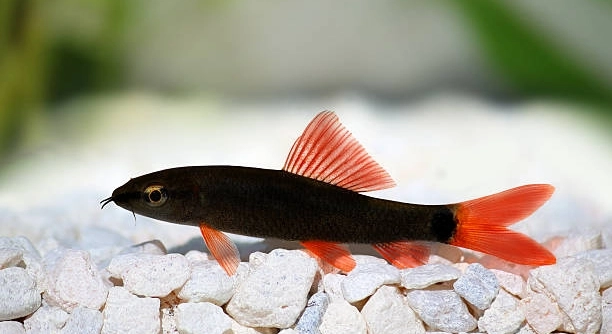
Rainbow Sharks are popular aquarium fish known for their sleek shape and vibrant colors. Sometimes, they swim near the water’s surface, which can catch the attention of their owners. Understanding why this happens helps keep them healthy and comfortable in their tank.
Rainbow Sharks often swim at the surface due to factors like poor water quality, low oxygen levels, stress, illness, or incorrect tank conditions. These causes can affect their normal behavior and require timely attention to prevent harm.
Knowing the reasons behind this behavior can help you create a better environment for your fish and ensure they thrive in your care.
Poor Water Quality
Poor water quality is one of the main reasons your Rainbow Shark may be swimming near the surface. When the water in the tank is dirty or contains high levels of harmful substances like ammonia or nitrites, fish tend to avoid deeper areas. These toxins can cause discomfort or even harm the fish’s health. In addition, buildup of waste or uneaten food can reduce water clarity and oxygen levels. Keeping the tank clean through regular water changes and monitoring water parameters is essential. Without proper care, the water can become toxic quickly, forcing the fish to seek better conditions at the surface. Watching your Rainbow Shark’s behavior closely can help you notice early signs of poor water quality and act before problems worsen. Testing the water weekly is a good habit for maintaining a healthy tank environment for your fish to enjoy.
Maintaining clean water keeps your Rainbow Shark comfortable and helps prevent many health problems.
Water quality directly influences fish activity and breathing. Improving cleanliness can quickly reduce surface swimming caused by discomfort.
Low Oxygen Levels
Low oxygen levels in the aquarium often cause Rainbow Sharks to swim near the surface, where oxygen is more available. This usually happens in tanks with poor water circulation or overcrowding. When oxygen is low, fish struggle to breathe and will seek areas with better air supply. Aeration devices like air stones or filters help increase oxygen in the water. Additionally, avoiding overfeeding and overcrowding can reduce oxygen depletion. Monitoring oxygen levels and making sure the tank is properly equipped are important steps to prevent this issue. By ensuring enough oxygen, you support your fish’s natural swimming behavior and overall health. Proper tank setup makes a significant difference in how comfortable your Rainbow Shark feels in its environment.
Observing your tank’s setup and making small adjustments can improve oxygen flow and reduce surface swimming caused by oxygen shortage.
Stress and Anxiety
Stress causes Rainbow Sharks to behave unusually, including swimming near the surface. Changes in their environment or aggressive tank mates often lead to stress.
Stress can come from sudden changes like moving the tank, loud noises, or introducing new fish. Aggression from other fish can also make your Rainbow Shark feel unsafe. When stressed, fish may seek refuge near the surface or hide. Prolonged stress weakens their immune system, making them more vulnerable to illness. It’s important to provide hiding spots, keep a stable environment, and monitor interactions among fish to reduce stress. Creating a calm, balanced tank helps your Rainbow Shark feel secure and reduces surface swimming due to anxiety.
Regular observation helps you spot stress signs early, so you can act quickly to improve your fish’s well-being.
Illness or Disease
Illness often causes Rainbow Sharks to swim abnormally near the surface, indicating they may be unwell. Symptoms like lethargy, discoloration, or labored breathing often appear alongside this behavior. Diseases such as parasites, bacterial infections, or swim bladder problems can affect their movement. Identifying illness early is vital for successful treatment. Quarantining sick fish and consulting a veterinarian or fish specialist ensures proper care. Maintaining good water quality and nutrition strengthens their immune system to prevent illness. Watching for any changes in behavior helps catch problems before they become serious, protecting your fish’s health in the long run.
Incorrect Tank Conditions
Rainbow Sharks need enough space to swim and proper hiding spots. A small or crowded tank can cause them to swim near the surface.
Water temperature and pH levels must be within the right range. If these conditions are off, your fish may feel uncomfortable and change their behavior.
Feeding Habits
Overfeeding can pollute the water and reduce oxygen levels, causing your Rainbow Shark to stay near the surface. Feeding the right amount and removing leftover food helps maintain a healthier tank.
Proper feeding supports good water quality and keeps your fish active and comfortable in their environment.
Natural Behavior
Sometimes, Rainbow Sharks swim near the surface simply as part of their normal activity. They explore different areas of the tank and may rest near the top occasionally.
Understanding this natural behavior helps avoid unnecessary worry when your fish are simply moving around their space.
Why is my Rainbow Shark constantly swimming at the surface?
Your Rainbow Shark may be at the surface due to low oxygen levels or poor water quality. Fish often swim near the surface when they struggle to get enough oxygen from the water below. It can also indicate stress, illness, or unsuitable tank conditions. Checking water parameters like ammonia, nitrite, nitrate, pH, and oxygen is important. Addressing these issues quickly improves their comfort and health.
Is it normal for Rainbow Sharks to swim at the top sometimes?
Yes, it can be normal for Rainbow Sharks to explore different parts of the tank, including the surface. Occasionally swimming near the top does not always mean something is wrong. However, if this behavior becomes constant or is paired with other signs like gasping, lethargy, or loss of appetite, it should be investigated further.
Can poor water quality cause surface swimming?
Absolutely. Poor water quality reduces oxygen and increases toxins in the tank, which makes fish uncomfortable. Ammonia, nitrites, and nitrates from fish waste and uneaten food build up quickly in unclean water. Regular water changes and using a good filtration system help maintain healthy conditions and reduce surface swimming caused by poor water quality.
How can I tell if my Rainbow Shark is stressed?
Signs of stress include hiding, loss of color, erratic swimming, or staying at the surface. Changes in tank conditions, aggressive tank mates, overcrowding, or sudden environmental shifts often cause stress. Providing a calm environment, stable water parameters, and hiding places can reduce stress and help your fish feel secure.
Could illness be the reason for surface swimming?
Yes, illness is a common cause. Diseases affecting the gills or swim bladder can force fish to stay near the surface. Symptoms like rapid breathing, spots, swelling, or unusual swimming patterns often accompany illness. Prompt treatment and isolation of sick fish prevent the spread of disease and improve recovery chances.
What tank size is best for Rainbow Sharks?
Rainbow Sharks need at least a 30-gallon tank because they are active swimmers that require space. Smaller tanks cause stress and poor water quality, which may lead to surface swimming. Providing enough room and hiding spots supports their natural behavior and well-being.
How does feeding affect my Rainbow Shark’s swimming behavior?
Overfeeding leads to leftover food, which pollutes the water and reduces oxygen levels. This poor water quality causes fish to swim near the surface for better oxygen access. Feeding measured amounts and removing uneaten food keeps the tank cleaner and your fish healthier.
What water temperature is ideal for Rainbow Sharks?
Rainbow Sharks thrive in temperatures between 72°F and 79°F (22°C – 26°C). Temperatures outside this range can stress them and affect their swimming. Keeping the water stable within this range ensures comfort and reduces abnormal behavior like surface swimming.
Do Rainbow Sharks need special equipment to prevent surface swimming?
Good filtration and aeration are key to maintaining oxygen levels and clean water. Air stones, sponge filters, and power filters improve circulation and oxygen distribution. These devices reduce the chance your Rainbow Shark will need to swim at the surface to breathe.
How often should I test my tank water?
Testing water weekly helps catch issues early. Check ammonia, nitrites, nitrates, pH, and oxygen levels. Regular testing allows for timely water changes and adjustments, preventing problems that cause your Rainbow Shark to swim near the surface.
What should I do if my Rainbow Shark continues to swim at the surface?
If surface swimming persists despite good water quality and proper care, examine the fish for signs of illness or injury. Consider consulting a fish health specialist. Quarantining the fish and treating any disease promptly is essential to avoid worsening health problems.
Can tank mates cause my Rainbow Shark to stay near the surface?
Yes, aggressive or territorial tank mates can stress your Rainbow Shark. This may cause it to avoid certain areas and swim near the surface. Choosing peaceful companions and providing enough space reduces stress and unwanted surface swimming.
How do I reduce stress for my Rainbow Shark?
Maintain stable water parameters, avoid sudden changes, provide hiding places, and keep tank mates peaceful. Consistent care and environment help your fish feel safe and reduce surface swimming caused by stress.
Is surface swimming always a sign of a problem?
Not always. Rainbow Sharks sometimes explore or rest near the surface naturally. However, if surface swimming is frequent and linked with other symptoms, it usually signals an underlying issue needing attention.
Can lighting affect my Rainbow Shark’s behavior?
Bright or sudden lighting changes can stress your fish and cause unusual swimming. Providing consistent, moderate lighting and places to hide helps your Rainbow Shark feel secure and reduces surface swimming caused by discomfort.
When a Rainbow Shark swims near the surface of its tank, it often signals that something in its environment needs attention. It is important to remember that this behavior is usually a sign that the fish is trying to cope with less-than-ideal conditions. Whether it is low oxygen levels, poor water quality, stress, or illness, the fish is trying to find relief. Observing this behavior early and acting quickly can prevent more serious problems. Keeping your tank clean, properly maintained, and stable in terms of water parameters is essential for your Rainbow Shark’s well-being.
Taking good care of your Rainbow Shark means paying close attention to its environment and behavior. Regular water testing, appropriate feeding, and maintaining the right tank size and conditions are key parts of fish care. Providing hiding spots and a calm atmosphere also helps reduce stress. When fish feel secure and healthy, they are less likely to swim at the surface for extended periods. Being patient and consistent in your care routine will help your Rainbow Shark stay active and comfortable in its tank.
If surface swimming continues despite your best efforts, it may indicate a health problem. At this point, checking for signs of illness or injury becomes important. Consulting a fish health expert or veterinarian can provide guidance on treatment. Early intervention improves the chances of recovery. Remember that each Rainbow Shark is unique, and paying attention to subtle changes in behavior will help you provide the best care possible. By understanding and meeting your fish’s needs, you create a healthy environment where your Rainbow Shark can thrive and show its natural, beautiful colors.

Hello,
If you enjoy the content that we create, please consider saying a "Thank You!" by leaving a tip.
Every little bit helps us continue crafting quality advice that supports the health, happiness, and well-being of pets around the world, for pets of all shapes, sizes, and species.
We really appreciate the kindness and support that you show us!