
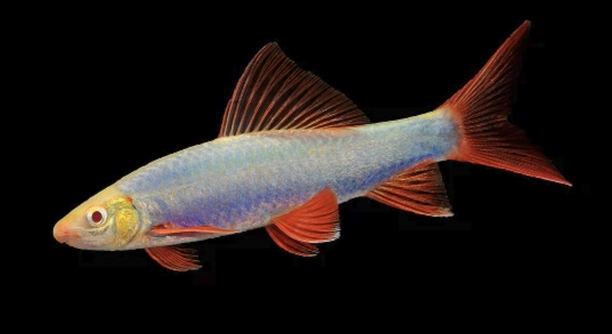
Rainbow sharks are popular aquarium fish known for their sleek shape and vibrant colors. Many aquarium owners enjoy keeping them, but sometimes the care can lead to stress for these fish. Recognizing common stress causes helps ensure their well-being and longevity.
Rainbow shark stress is often caused by overcrowding, poor water quality, incompatible tank mates, inadequate hiding spots, improper diet, sudden changes in environment, and insufficient space. Each of these factors can negatively impact their health and behavior, requiring careful attention from the owner.
Identifying these common stressors allows owners to create a healthier environment for their rainbow sharks. The following points will explain how to spot and address these issues effectively.
Overcrowding and Tank Size
Keeping too many fish in a tank can quickly lead to stress for rainbow sharks. These fish need enough space to swim and claim their territory. A crowded tank causes constant competition for food and hiding spots, which raises aggression and stress levels. The minimum recommended tank size for one rainbow shark is around 30 gallons. Smaller tanks or tanks with multiple rainbow sharks can increase tension. Overcrowding also makes it harder to maintain water quality, further affecting the fish’s health. Giving them plenty of room reduces stress and encourages natural behavior. Ensuring the tank is large enough and not overstocked creates a calmer environment that benefits all the fish inside.
A spacious tank with proper filtration lowers stress and promotes healthy growth for rainbow sharks. Adequate space allows them to swim freely and avoid conflicts.
When setting up a tank, always consider the adult size of your rainbow shark. Provide at least 30 gallons per fish to avoid overcrowding. Introduce fewer fish and avoid mixing with aggressive species. Create hiding spots with decorations or plants to give them safe places to retreat. Regular maintenance helps keep water clean, which is crucial in crowded tanks. By planning tank size and population carefully, you create a stable and less stressful home for your rainbow sharks.
Poor Water Quality
Poor water quality is a leading factor in rainbow shark stress. Ammonia, nitrite, and nitrate levels can rise quickly in an unclean tank, harming the fish. Regular water testing is essential to keep these chemicals in safe ranges. Proper filtration and routine water changes help maintain balanced water conditions. Temperature fluctuations or inappropriate pH levels also contribute to stress. Rainbow sharks prefer water temperatures between 74-80°F and a pH around 6.5 to 7.5. Without stable water parameters, their immune systems weaken, making them prone to disease. Keeping water quality high supports their health and reduces signs of stress like hiding, loss of color, or erratic swimming.
Maintaining clean and stable water conditions protects rainbow sharks from stress and illness.
Water quality problems often stem from overfeeding, overcrowding, or neglecting tank maintenance. Uneaten food decomposes and pollutes the water, increasing harmful compounds. Frequent water changes of about 20-25% weekly prevent buildup and refresh oxygen levels. A good filter matched to your tank size removes waste effectively. Monitoring water parameters with test kits guides timely adjustments. Adjust temperature and pH gradually to avoid shocking the fish. Using natural plants can improve water quality by absorbing nitrates. By prioritizing water care, you ensure a healthy environment where rainbow sharks feel comfortable and thrive.
Incompatible Tank Mates
Rainbow sharks can become stressed when housed with aggressive or territorial fish. Choosing peaceful tank mates helps reduce conflict. Avoid species that nip fins or dominate the tank.
Aggressive fish create a hostile environment, constantly chasing or bullying rainbow sharks. This stress can lead to hiding, loss of appetite, and weakened immunity. Tank mates should be calm and occupy different tank levels to minimize interaction. Ideal companions include peaceful tetras, barbs, or catfish that keep to themselves. Avoid keeping multiple rainbow sharks in a small tank, as they tend to be territorial toward their own kind. Proper selection of tank mates contributes to a balanced and stress-free aquarium community.
Incompatible species increase stress by disrupting natural behaviors and causing frequent conflicts. Researching fish compatibility before adding new species prevents problems. Observing fish behavior after introducing new tank mates allows early detection of stress. Providing plenty of hiding spaces further reduces tension among fish. A harmonious tank ensures all fish can live comfortably and healthily.
Lack of Hiding Spots
Rainbow sharks naturally seek shelter when feeling threatened. A tank without enough hiding places leaves them exposed and stressed. Providing caves, plants, or decorations creates safe retreats.
Without adequate hiding spots, rainbow sharks may become overly stressed and aggressive. They need areas to rest away from bright light or other fish. Rocks, driftwood, and dense plants mimic their natural habitat, offering security and reducing anxiety. A well-decorated tank encourages natural behavior like exploring and resting in sheltered areas. Hiding spots also help reduce territorial disputes by giving fish their own space. Regularly changing tank décor can keep the environment engaging and comforting for them. Meeting this need supports their overall well-being and lowers stress significantly.
Improper Diet
Feeding rainbow sharks the wrong food can cause stress and health problems. A balanced diet is essential for their well-being.
They need a mix of high-quality pellets, vegetables, and occasional protein treats. Avoid overfeeding or relying on only one type of food to keep them healthy and stress-free.
Sudden Environmental Changes
Sudden changes in water temperature, lighting, or tank setup can shock rainbow sharks. These changes disrupt their routine and cause anxiety.
Consistent conditions help rainbow sharks feel secure. Gradual adjustments to their environment are important to prevent stress and maintain their health.
Insufficient Space
Rainbow sharks need enough room to swim and explore. A cramped tank limits their movement and increases stress.
A minimum of 30 gallons per fish is recommended to provide adequate space for healthy growth and comfort.
FAQ
What causes rainbow shark stress the most?
The most common causes are overcrowding, poor water quality, incompatible tank mates, lack of hiding spots, improper diet, sudden changes in environment, and insufficient tank space. Each factor can harm the fish’s health and behavior if not managed properly.
How can I tell if my rainbow shark is stressed?
Signs include hiding more than usual, loss of appetite, faded colors, erratic swimming, and aggression toward other fish. Stress weakens their immune system and makes them vulnerable to disease.
How often should I clean the tank to prevent stress?
Perform partial water changes of about 20-25% weekly to keep water clean and free of harmful chemicals. Regular cleaning of the filter and substrate also helps maintain good water quality.
Can rainbow sharks live with other fish?
Yes, but it’s important to choose peaceful tank mates that won’t nip fins or compete aggressively. Ideal companions include certain tetras, barbs, and catfish species that occupy different tank levels.
How much space does a rainbow shark need?
At least 30 gallons per fish is recommended. This provides enough room for swimming, territory, and hiding spots to reduce stress and encourage natural behavior.
What should I feed my rainbow shark?
A balanced diet includes high-quality sinking pellets, fresh or blanched vegetables like zucchini or spinach, and occasional protein treats like bloodworms. Avoid overfeeding and remove uneaten food promptly.
What water parameters are best for rainbow sharks?
They thrive in temperatures between 74-80°F, a pH range of 6.5 to 7.5, and soft to moderately hard water. Keeping these stable helps reduce stress and supports health.
How do sudden changes affect rainbow sharks?
Rapid changes in temperature, lighting, or water chemistry can cause shock and anxiety. Gradual adjustments give fish time to adapt, preventing stress-related illnesses.
Why is providing hiding spots important?
Hiding spots give rainbow sharks a sense of security and a place to retreat when feeling threatened. This reduces stress and helps maintain calm behavior in the tank.
Can I keep more than one rainbow shark in the same tank?
Multiple rainbow sharks can be territorial and aggressive toward each other, especially in small tanks. If keeping more than one, ensure the tank is large enough with plenty of hiding places to reduce conflicts.
What happens if a rainbow shark stays stressed for too long?
Chronic stress weakens their immune system, making them more prone to disease and infections. It can also stunt growth and shorten their lifespan.
How do I reduce aggression in a rainbow shark tank?
Avoid overcrowding, choose peaceful tank mates, provide enough space, and include plenty of hiding spots. Maintaining stable water quality also helps keep aggression levels low.
Is it normal for rainbow sharks to hide a lot?
Some hiding is normal, especially during the day as they are more active at night. However, excessive hiding can indicate stress or illness that needs attention.
How often should I test my aquarium water?
Test water parameters weekly or more often if issues arise. Monitoring ammonia, nitrite, nitrate, pH, and temperature is essential for a healthy tank environment.
Can lighting affect rainbow shark stress?
Yes, too much bright light without shaded areas can cause stress. Providing dimmer lighting or shaded hiding spots helps mimic their natural habitat and reduces anxiety.
Final Thoughts
Rainbow sharks are beautiful and active fish that can bring life to any aquarium. However, they require specific care to thrive and avoid stress. Many common problems stem from factors like overcrowding, poor water quality, and incompatible tank mates. By understanding these causes, it becomes easier to provide a healthy environment. Ensuring enough space, clean water, and peaceful companions helps rainbow sharks live comfortably and show their best colors. Paying attention to their needs reduces stress and promotes a longer, healthier life.
Creating a balanced habitat is key to reducing stress for rainbow sharks. They need a well-maintained tank with proper filtration and regular water changes to keep conditions stable. Providing hiding spots like plants, rocks, or decorations allows the fish to feel safe and secure. A varied diet that includes quality pellets, vegetables, and occasional protein supports their health and energy. Sudden changes in water temperature or lighting should be avoided to prevent unnecessary anxiety. Taking these steps makes a big difference in keeping rainbow sharks calm and healthy.
Overall, caring for rainbow sharks requires commitment and attention to detail. It is important to monitor their behavior and environment regularly to catch any signs of stress early. By maintaining good water quality, providing adequate space, and choosing suitable tank mates, owners can create a peaceful aquarium for their fish. When these needs are met, rainbow sharks display natural behaviors and vibrant colors that make them enjoyable to watch. A well-cared-for rainbow shark is a rewarding addition to any fish tank.

Hello,
If you enjoy the content that we create, please consider saying a "Thank You!" by leaving a tip.
Every little bit helps us continue crafting quality advice that supports the health, happiness, and well-being of pets around the world, for pets of all shapes, sizes, and species.
We really appreciate the kindness and support that you show us!