
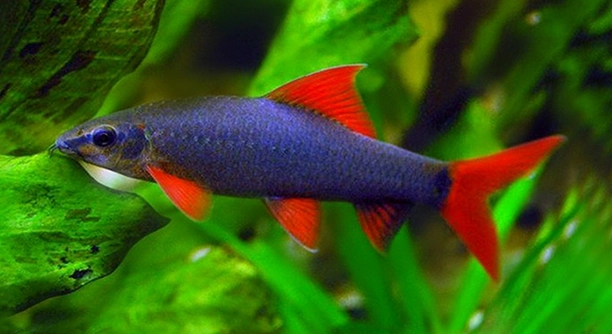
Rainbow sharks are popular freshwater fish known for their vibrant colors and active behavior. Many owners enjoy their unique appearance but sometimes face health challenges with these fish. Understanding common illnesses is key to keeping them healthy and happy.
Rainbow shark illness can stem from poor water quality, inappropriate tank conditions, stress, bacterial or fungal infections, parasites, improper diet, and overcrowding. Preventing these issues involves maintaining clean water, balanced nutrition, and providing a suitable environment.
Knowing these causes helps owners protect their rainbow sharks and maintain a thriving aquarium. The following information offers clear guidance on how to avoid common health problems.
Poor Water Quality
Poor water quality is a leading cause of illness in rainbow sharks. When ammonia, nitrite, or nitrate levels rise, the fish become stressed and more vulnerable to disease. Dirty tanks often result from inadequate filtration or infrequent water changes. High ammonia levels can damage gills and skin, while excess nitrates weaken the immune system. Maintaining stable water parameters is crucial. Testing water regularly and performing weekly partial water changes can help keep the environment safe. Avoid overfeeding, as leftover food increases waste and pollutes the water. Proper tank maintenance reduces stress and prevents many health issues for rainbow sharks.
Controlling water quality means frequent testing and cleaning. Use a reliable water test kit and change 20–30% of the water weekly to keep levels balanced.
Consistent water care improves your rainbow shark’s health and prevents common diseases. A clean tank supports better oxygen levels and reduces harmful bacteria. This effort also encourages natural behavior and vibrant coloration, making your fish look their best. Monitoring water quality is one of the simplest yet most effective ways to protect your rainbow shark from illness.
Stress and Overcrowding
Stress weakens rainbow sharks’ immune systems and often results from overcrowding or aggressive tank mates.
Overcrowding reduces space for swimming and increases waste buildup. Rainbow sharks are territorial fish, and keeping too many in a small tank causes constant fighting. This stress can lead to injuries, infections, and reduced lifespan. It is best to provide at least 30 gallons per fish and avoid housing them with aggressive or very active species. A peaceful, adequately sized tank allows rainbow sharks to establish territory and reduces conflict. Adding hiding spots like plants or decorations helps reduce stress by offering secure places to retreat. Keeping the environment stable and calm supports healthier fish and lowers the risk of disease.
Bacterial and Fungal Infections
Bacterial and fungal infections are common in rainbow sharks, often triggered by poor water conditions or injuries. These infections cause visible symptoms like white spots, redness, or ulcers.
Bacteria thrive in dirty or stressed environments. Open wounds or damaged fins provide entry points for infection. Typical signs include lethargy, loss of appetite, and abnormal swimming. Treatment usually involves antibiotics or antifungal medications, but prevention is better. Maintaining clean water, avoiding overcrowding, and minimizing stress reduces the risk. Quarantining new fish before adding them to the tank helps prevent spreading infections.
Fungal infections appear as cotton-like growths on the skin or fins. These infections often follow injuries or bacterial infections. Prompt treatment with antifungal medication and improving tank conditions are necessary to stop fungal growth. Early detection improves chances of full recovery and keeps the fish comfortable.
Parasites
Parasites can cause serious health problems for rainbow sharks. Common parasites include ich, flukes, and worms, which irritate the skin and gills.
Parasites attach to the fish, causing excessive scratching, rapid breathing, and visible white spots or mucus. They multiply quickly in poor water conditions, stressing the fish and leading to secondary infections. Treatment often requires specific anti-parasitic medications and tank cleaning. Regular monitoring and quarantining new fish are essential to prevent outbreaks.
Parasites can spread fast, so early detection and treatment are critical. Improving water quality and reducing stress supports the immune system to fight off parasites naturally. Consistent tank maintenance and avoiding sudden changes in water parameters also reduce parasite risks and keep rainbow sharks healthy.
Improper Diet
An improper diet can weaken a rainbow shark’s immune system and lead to illness. Feeding only one type of food or low-quality flakes does not provide necessary nutrients.
A varied diet including high-quality pellets, live or frozen foods like bloodworms and brine shrimp helps keep your fish healthy and active.
Overfeeding
Overfeeding increases waste in the tank, which harms water quality and stresses rainbow sharks. It can also cause obesity and digestive problems.
Feeding small amounts once or twice daily and removing uneaten food reduces these risks. Careful portion control supports a balanced environment and healthy fish.
Inadequate Tank Size
Rainbow sharks need enough space to swim and establish territory. A small tank restricts movement and increases aggression, stress, and illness risk.
Providing at least 30 gallons per fish gives them room to thrive, lowers stress, and helps maintain water quality.
What are the first signs of illness in a rainbow shark?
Early signs of illness include changes in behavior such as lethargy, loss of appetite, and hiding more than usual. You may also notice physical changes like faded colors, clamped fins, or small white spots. These symptoms often indicate stress or the beginning of an infection, so prompt attention is important.
How often should I test the water in my rainbow shark’s tank?
Water testing should be done at least once a week to monitor ammonia, nitrite, nitrate, and pH levels. More frequent testing is recommended when setting up a new tank or if you notice any signs of illness. Maintaining stable water conditions is critical to preventing many health problems.
Can rainbow sharks live with other fish?
Yes, but careful selection is important. Rainbow sharks are territorial and may become aggressive toward similar or smaller fish. Ideal tank mates include larger, non-aggressive species that occupy different tank levels. Always provide hiding spots to reduce conflicts and stress.
What is the best diet for a rainbow shark?
A balanced diet includes high-quality sinking pellets formulated for carnivorous fish, along with occasional live or frozen foods like bloodworms and brine shrimp. Variety ensures they get necessary nutrients and helps maintain their vibrant color and energy levels.
How can I prevent fungal infections in my rainbow shark?
Prevent fungal infections by keeping the tank clean and avoiding injuries. Regular water changes, proper filtration, and quarantine of new fish reduce risks. If fungus appears, treat it early with antifungal medication and improve tank conditions to help recovery.
Is quarantine necessary for new fish?
Yes, quarantining new fish for at least two weeks prevents introducing diseases or parasites to your established tank. It allows time to observe and treat any signs of illness before adding them to your rainbow shark’s environment.
What tank size is suitable for a rainbow shark?
A minimum of 30 gallons is recommended for one rainbow shark. Larger tanks reduce aggression and stress by providing enough space for swimming and territory. Overcrowding leads to poor water quality and health issues.
How do I treat parasites on my rainbow shark?
Treatment depends on the type of parasite. Common solutions include medicated baths or adding anti-parasitic medication to the tank. Improving water quality and removing stressors support the fish’s recovery. Early detection is key to effective treatment.
Can stress cause illness in rainbow sharks?
Yes, stress weakens the immune system and makes fish more susceptible to infections. Stress factors include poor water quality, overcrowding, aggressive tank mates, and sudden changes in the environment. Minimizing these helps keep your rainbow shark healthy.
How often should I feed my rainbow shark?
Feed your rainbow shark once or twice daily, offering only what they can consume in a few minutes. Overfeeding pollutes the tank and causes health problems. Consistent feeding schedules support digestion and overall well-being.
What are common water parameters for rainbow sharks?
Ideal parameters include a temperature between 74°F and 80°F, pH between 6.5 and 7.5, and low ammonia and nitrite levels (close to zero). Regular testing ensures these conditions, which help prevent illness and promote vibrant health.
How long do rainbow sharks typically live?
With proper care, rainbow sharks can live 5 to 7 years or more. Maintaining clean water, a balanced diet, and a stress-free environment contributes to a longer, healthier life for your fish.
Can tank decorations help reduce illness?
Yes, providing hiding places with plants, rocks, or decorations reduces stress by allowing rainbow sharks to establish territory and retreat when needed. Lower stress means a stronger immune system and fewer health problems.
What should I do if my rainbow shark stops eating?
Loss of appetite often signals illness or poor water conditions. Test water quality first and observe for other symptoms. If needed, consult a veterinarian or fish specialist. Adjusting tank conditions and offering varied, high-quality food can encourage eating again.
Is it safe to medicate the entire tank?
Medicating the entire tank can be effective but may stress sensitive species and beneficial bacteria. Use medications as directed and monitor fish carefully. Quarantine tanks are preferable for treatment when possible to avoid harming the main aquarium’s ecosystem.
Taking care of a rainbow shark involves understanding the common causes of illness and how to prevent them. Keeping water clean and well-maintained is one of the most important steps. Regular testing and water changes help avoid harmful buildup of ammonia, nitrites, and nitrates. A clean environment lowers stress and keeps the fish’s immune system strong. Tank size also matters, as overcrowding can lead to stress, aggression, and poor water quality. Providing enough space and hiding spots allows the fish to feel secure and behave naturally.
Feeding a balanced diet is another key factor in preventing illness. Rainbow sharks need a variety of foods, including quality pellets and occasional live or frozen treats, to get all the nutrients they require. Overfeeding can cause water pollution and health problems, so it is best to feed small amounts once or twice a day. In addition, introducing new fish carefully through quarantine helps stop the spread of disease or parasites. Stress is often behind many health issues, so reducing it by managing tank conditions and choosing compatible tank mates supports your rainbow shark’s well-being.
If illness does occur, early detection and treatment improve the chances of recovery. Watching for changes in behavior, appearance, or appetite can help catch problems before they worsen. Many illnesses are related to water quality, diet, or stress, so addressing these factors often helps the fish heal. Maintaining a stable and clean tank environment, providing proper nutrition, and avoiding overcrowding are simple yet effective ways to keep your rainbow shark healthy for years. With the right care, these colorful fish can thrive and bring enjoyment to your aquarium.

Hello,
If you enjoy the content that we create, please consider saying a "Thank You!" by leaving a tip.
Every little bit helps us continue crafting quality advice that supports the health, happiness, and well-being of pets around the world, for pets of all shapes, sizes, and species.
We really appreciate the kindness and support that you show us!