
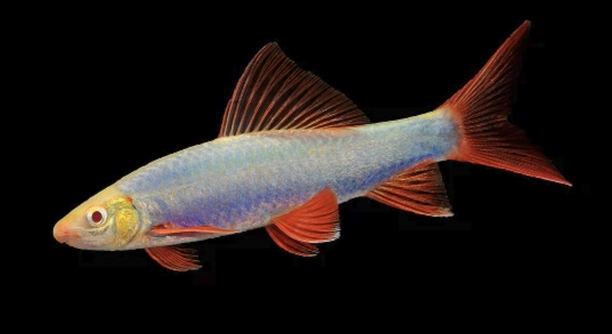
Rainbow sharks are popular aquarium fish known for their striking colors and active behavior. They require enough space to swim freely and feel comfortable in their environment. Overcrowding can cause stress and affect their health.
When rainbow sharks feel overcrowded, they display signs such as increased aggression, hiding more often, reduced appetite, damaged fins, erratic swimming, faded colors, and constant territorial disputes. These symptoms indicate stress due to limited space and poor tank conditions.
Recognizing these signs early can help improve your fish’s well-being and prevent serious health problems. Proper care and tank management are essential for keeping rainbow sharks happy.
Increased Aggression and Territorial Behavior
Rainbow sharks are usually peaceful but can become aggressive when they feel crowded. This happens because they need space to establish their own territory. When the tank is too full, they start chasing or nipping at other fish more often. You might notice fights breaking out over small areas that were once shared calmly. Aggression can stress not only the rainbow sharks but also the other fish in the tank, making the environment tense. To avoid this, keeping enough room per fish is crucial. Watching how your rainbow shark interacts with tank mates is a key way to catch overcrowding early.
Aggressive behavior can quickly escalate if not addressed, leading to injuries or constant stress.
Maintaining a spacious tank with plenty of hiding spots helps reduce aggression. Using decorations or plants to break up open spaces can give each fish a small personal zone. This reduces confrontations and helps rainbow sharks feel more secure. Adjusting the number of fish to fit your tank size is one of the best ways to keep aggression under control.
Hiding and Reduced Activity
When rainbow sharks feel overcrowded, they tend to hide more often. They might stay behind decorations or under plants for long periods. This behavior shows that they are stressed or overwhelmed by the busy environment. Less swimming and exploring can lead to weaker muscles and poor overall health. A tank with too many fish limits their ability to move freely and display normal behavior. If you see your rainbow shark staying hidden, it could be a sign that the tank is too crowded.
Hiding is often a sign that the fish feels unsafe or stressed.
To improve this, consider reducing the number of fish or increasing tank size. Also, rearranging the tank decorations can create new hiding spots while giving the fish room to swim. Making sure the water quality is good also helps fish feel more comfortable. Overcrowding combined with poor water conditions worsens stress and hiding behavior. Watching your rainbow shark’s activity can tell you a lot about its well-being. Taking action early can make a big difference in how your fish behaves.
Faded Colors and Poor Appearance
Faded colors are a clear sign your rainbow shark may be stressed from overcrowding. When they don’t have enough space, their vibrant hues start to dull. This change in color shows their health is declining.
Stress lowers the immune system of rainbow sharks, making it harder for them to maintain bright colors. Overcrowding causes constant stress, which drains their energy and leads to a pale or washed-out look. This color change is more noticeable when compared to healthy, well-spaced fish with vivid red and black markings.
Maintaining good water quality and adequate space helps preserve their natural colors. Adding plants and decorations can also reduce stress by giving your fish places to retreat. If you notice fading colors, it’s important to check tank conditions and fish numbers. Improving these factors often restores their vibrant appearance.
Erratic Swimming and Restlessness
Erratic swimming is a strong indicator of discomfort in rainbow sharks. Overcrowding limits their ability to swim normally, causing them to dart around or bump into tank walls. This behavior shows they are stressed and unsettled.
Restlessness can result from competition for space and resources. Fish may swim frantically or hover near filters for oxygen. This constant movement burns energy and wears down their health over time. Reducing fish numbers or increasing tank size can help calm restless behavior.
It is also important to maintain clean water, as poor quality adds to stress and erratic swimming. When your rainbow shark swims normally, it signals a healthier and less crowded environment. Monitoring their movement patterns regularly helps identify overcrowding before it worsens.
Damaged Fins and Scars
Damaged fins and scars often appear when rainbow sharks live in overcrowded tanks. They can get injured during fights or from constant chasing. These wounds take time to heal and can lead to infections if ignored.
Frequent injuries show that the fish are stressed and unable to establish safe territories. Overcrowding increases the chance of physical harm and weakens their immune system.
Reduced Appetite and Weight Loss
When rainbow sharks feel crowded, their appetite often decreases. Stress makes them eat less or sometimes stop eating altogether. This poor feeding behavior can quickly lead to weight loss and weakened health.
Lack of food and constant stress make it harder for rainbow sharks to grow and stay strong. Monitoring their eating habits helps detect overcrowding issues early. Ensuring enough space and a calm environment encourages normal feeding and supports their well-being.
Constant Territorial Disputes
Territorial disputes become common in tanks that are too crowded. Rainbow sharks fiercely defend small areas, causing ongoing fights. These disputes increase stress and damage fish.
Stress and Immune System Decline
Stress from overcrowding weakens the immune system of rainbow sharks. This decline makes them more vulnerable to diseases and infections.
FAQ
How much space does a rainbow shark need?
Rainbow sharks need at least a 40-gallon tank for one fish. If you want more than one, increase the tank size accordingly. Providing enough swimming room reduces stress and aggression. Crowded tanks lead to all the problems mentioned earlier.
Can rainbow sharks live with other fish?
Yes, but they prefer tank mates that are peaceful and fast enough to avoid conflict. Avoid keeping multiple rainbow sharks in small tanks, as they become territorial. Adding hiding spots helps reduce tension with other fish.
What are the signs of stress besides overcrowding?
Stress signs include loss of appetite, hiding, faded colors, rapid breathing, and lethargy. Poor water quality or improper diet can also cause stress, so check those factors alongside tank size.
How often should I clean the tank?
Regular maintenance is key. Change 25% of the water weekly and clean filters monthly. Good water quality reduces stress and prevents diseases, especially in tanks with several fish.
Can rearranging tank decorations help overcrowding issues?
Yes, rearranging can break up territories and give fish new places to hide. This reduces fights and stress. However, it won’t fix overcrowding if the tank is too small, so tank size is the main factor.
What should I do if my rainbow shark is injured?
Isolate injured fish in a quarantine tank if possible. Use aquarium salt and monitor water quality to help healing. Make sure the main tank is not overcrowded to prevent repeated injuries.
How can I encourage my rainbow shark to eat more?
Offer a varied diet with pellets, flakes, and occasional live or frozen food. Feed small amounts multiple times a day. Stress from overcrowding often causes poor appetite, so reducing stress is important too.
Is overcrowding the only reason for faded colors?
No, faded colors can also be caused by poor water quality, illness, or lack of proper nutrition. It’s important to rule out these causes by testing water and checking the fish’s health.
Can a small tank be fixed without upgrading?
Reducing the number of fish is the best solution if upgrading the tank isn’t possible. Overcrowding harms fish health, so fewer fish means less competition and stress.
How do I know when it’s time to add a bigger tank?
If your rainbow shark shows multiple signs of overcrowding like aggression, hiding, and poor health, it’s time to upgrade. A larger tank gives them space to swim and reduces stress significantly.
Are plants helpful in crowded tanks?
Yes, live or artificial plants provide hiding spots and help fish feel secure. Plants also improve water quality by absorbing toxins. However, they don’t replace the need for enough swimming space.
What’s the best way to introduce new fish to avoid overcrowding stress?
Introduce new fish slowly and observe behavior closely. Make sure the tank can handle more fish. Adding decorations or rearranging existing ones can help ease the transition.
Can overcrowding affect the lifespan of rainbow sharks?
Yes, stress from overcrowding weakens the immune system and can lead to early illness and death. Providing enough space and a clean environment helps ensure a longer, healthier life.
How can I tell if my rainbow shark is aggressive or just playful?
Aggressive behavior includes chasing, nipping fins, and constant territorial disputes. Playful swimming is more relaxed and doesn’t involve harm. Watching their interactions over time helps tell the difference.
What water parameters should I maintain for rainbow sharks?
Keep temperature between 72-79°F, pH around 6.5-7.5, and ammonia, nitrite at 0 ppm. Stable water conditions reduce stress and support overall health.
Can overcrowding cause diseases?
Yes, overcrowded tanks increase waste and lower water quality. This environment promotes bacterial and fungal infections. Stress weakens immunity, making fish more vulnerable to sickness.
How do I reduce stress if I can’t increase tank size immediately?
Add hiding spots, improve water quality, reduce lighting, and feed nutritious food. These steps help fish cope temporarily, but a larger tank is the best long-term fix.
Is it normal for rainbow sharks to be aggressive sometimes?
Some aggression is natural due to their territorial nature. However, excessive aggression usually means overcrowding or stress. Providing enough space minimizes harmful behaviors.
Can overcrowding affect breeding behavior?
Yes, overcrowding stresses fish and reduces breeding interest. Rainbow sharks prefer spacious tanks for spawning. Less stress improves chances of successful breeding.
How often should I monitor fish behavior for overcrowding signs?
Check your fish daily for changes in behavior, appetite, and appearance. Early detection of overcrowding signs allows timely action before serious problems develop.
Final thoughts on caring for rainbow sharks focus on the importance of providing enough space and a healthy environment. These fish are beautiful and active, but they need room to swim and claim their own territory. When the tank becomes overcrowded, stress and health problems quickly follow. Keeping the tank size appropriate for the number of fish is the best way to avoid these issues. Watching your rainbow shark’s behavior regularly helps catch problems early, so you can act before they become serious.
A well-maintained tank with good water quality is just as important as tank size. Clean water keeps fish healthy and supports their natural colors and activity levels. Regular water changes and filter cleaning reduce harmful chemicals and waste that build up over time. Adding plants and decorations also improves the environment by giving the fish places to hide and feel safe. When rainbow sharks have both space and a stable environment, they are less likely to become aggressive or stressed.
If you notice signs like aggression, fading colors, or erratic swimming, it is important to check for overcrowding first. Adjusting the number of fish or moving to a larger tank can make a big difference in their health and happiness. Taking these steps helps your rainbow shark live a longer, more comfortable life. Remember, a calm and spacious tank benefits not only rainbow sharks but all the fish sharing the aquarium. Good care and attention go a long way in creating a peaceful and healthy home for your aquatic pets.

Hello,
If you enjoy the content that we create, please consider saying a "Thank You!" by leaving a tip.
Every little bit helps us continue crafting quality advice that supports the health, happiness, and well-being of pets around the world, for pets of all shapes, sizes, and species.
We really appreciate the kindness and support that you show us!