
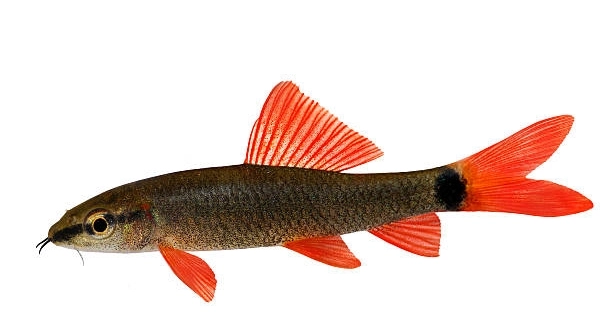
Rainbow sharks are popular aquarium fish that bring life and color to community tanks. Many owners enjoy keeping them with other fish but sometimes face challenges with compatibility. Understanding their behavior can help create a peaceful tank environment.
Ensuring compatibility among rainbow shark tankmates requires attention to their territorial nature and swimming habits. Providing ample space, hiding spots, and compatible species reduces aggression and stress, leading to a balanced and harmonious aquarium community.
Knowing how to manage tankmate dynamics can make your aquarium experience much more enjoyable and stress-free. This article will guide you through practical tips for a friendlier fish community.
Understanding Rainbow Shark Behavior
Rainbow sharks are naturally territorial fish that prefer to have their own space in the tank. They often swim near the bottom and can become aggressive when other fish invade their area. This behavior can cause stress and fights if the tank is too small or crowded. Knowing their habits helps to manage the tank better. Keeping the aquarium well-planted with plenty of hiding spots reduces tension. Decorations like caves or rocks give rainbow sharks places to retreat. This helps them feel secure and less likely to chase other fish. Observing your fish regularly can alert you to signs of stress or aggression early on. Adjustments like rearranging the tank layout or adding more hiding spaces often improve the situation. It is important to balance the number and type of fish to match the size of your tank.
Rainbow sharks are more peaceful when they have clear boundaries and enough space to swim freely.
A tank around 30 gallons is usually the minimum size to comfortably house a rainbow shark with compatible tankmates. Bigger tanks allow for more defined territories, which reduces conflict. Combining them with fast-moving or mid-to-top swimming fish keeps interactions minimal. Slow or timid fish tend to get stressed by the rainbow shark’s active nature. Consistent water quality and regular maintenance also support their well-being. Remember that each rainbow shark can have a unique temperament, so individual observations will guide better tank decisions.
Choosing Compatible Tankmates
When selecting fish to live with rainbow sharks, aim for species that occupy different parts of the tank or have calm temperaments. Avoid small or slow-moving fish that may be harassed. Good tankmates include danios, barbs, and certain types of catfish. These fish are active, quick, and usually keep to the middle or upper levels of the aquarium. Compatibility depends on space and the personality of each fish, so monitor how they interact at first. Adding tankmates gradually gives the rainbow shark time to adjust to new fish.
Avoid overcrowding by limiting the total number of fish based on tank size.
A tank with too many fish increases stress and competition for territory. Overcrowding often leads to fights, poor water quality, and health problems. To keep peace, it’s best to research the adult size and social needs of all species involved. Introducing tankmates during the rainbow shark’s younger stage can help with acceptance. Always quarantine new fish before adding them to prevent disease. Feeding all fish properly reduces food competition and aggression. Planning the tank layout with plants and hiding places also helps each fish find its niche. Careful selection and tank preparation promote a balanced aquarium community.
Proper Tank Setup
A well-organized tank is essential for rainbow sharks to feel secure. Creating separate zones reduces stress and conflicts between fish.
Using plants, rocks, and decorations helps divide the aquarium into territories. These boundaries prevent constant chasing and allow each fish space to swim. Substrate choice also matters; smooth gravel or sand protects their sensitive undersides. Keeping the water clean and well-filtered ensures a healthy environment. Aeration helps maintain oxygen levels, which is important for active swimmers like rainbow sharks. Proper lighting mimics their natural habitat, promoting calmer behavior. Adjusting decorations periodically can reduce territorial disputes by shifting boundaries and keeping the fish curious.
Providing hiding spots throughout the tank supports shy or smaller fish. These safe spaces balance out the active nature of rainbow sharks. Regularly monitoring water parameters like pH, ammonia, and nitrites keeps stress low and supports overall health.
Feeding Practices
Feeding rainbow sharks and their tankmates properly helps reduce competition and aggression. A balanced diet suited to each species prevents hunger-driven fights. Offer a mix of sinking pellets, flakes, and occasional live or frozen foods to meet nutritional needs. Feeding small amounts multiple times a day encourages natural foraging behavior and avoids overfeeding. Uneaten food should be removed promptly to maintain water quality. Observing fish during feeding helps spot signs of illness or stress early. Feeding in different spots spreads the fish out, limiting territorial disputes. Adjust feeding based on fish activity and tank conditions. Overfeeding can cause water issues, so moderation is key.
Feeding routines that respect the habits of all fish promote harmony and health. Being consistent and observant improves the tank’s social balance.
Monitoring Fish Behavior
Regular observation of your fish helps catch problems early. Look for signs of stress or aggression. Changes in swimming patterns or hiding more often can indicate issues.
Keep a log of unusual behaviors and water conditions. This information helps identify triggers and improve tank conditions. Early action prevents bigger conflicts and health problems.
Maintaining Water Quality
Consistently clean water is vital for rainbow sharks and their tankmates. Regular water changes remove toxins and maintain stable conditions. Use a reliable filter suited for your tank size. Test water parameters weekly to catch imbalances early. Avoid overcrowding, as it can quickly degrade water quality and increase stress. Keeping the tank clean reduces disease risk and promotes peaceful interactions.
Tank Size Matters
A spacious tank reduces competition and territorial fights. Minimum 30 gallons is recommended for one rainbow shark and its tankmates.
Using Decorations Wisely
Decorations create natural barriers and hiding spots, reducing aggression and stress among fish.
FAQ
How many rainbow sharks can I keep in one tank?
Keeping more than one rainbow shark in a tank can be tricky because they are territorial. It’s best to have only one per tank unless the aquarium is very large—at least 55 gallons or more. In bigger tanks, they can establish separate territories, which helps reduce aggression. Smaller tanks increase stress and fighting, so space is very important.
What are the best tankmates for rainbow sharks?
Good tankmates are peaceful, fast swimmers that live in different parts of the tank. Species like danios, barbs, and certain catfish work well because they usually stay near the middle or top levels. Avoid slow, small, or shy fish that might get bullied. Always observe new fish interactions closely at first to make sure everyone is getting along.
How do I reduce aggression in my rainbow shark?
To reduce aggression, provide plenty of hiding places and break up open swimming space with decorations and plants. Ensure the tank is large enough and avoid overcrowding. Feeding fish properly and regularly also helps, as hunger can make fish more aggressive. Rearranging decorations sometimes disrupts established territories and lowers fights.
Can rainbow sharks live with goldfish?
Rainbow sharks and goldfish usually don’t mix well. Goldfish prefer cooler water and produce a lot of waste, which can affect water quality. Rainbow sharks prefer warmer water and more stable conditions. Also, their different behaviors and needs often cause stress or aggression. It’s better to keep them in separate tanks.
What should I feed rainbow sharks?
Rainbow sharks are omnivores and need a varied diet. Sinking pellets or wafers designed for bottom feeders are good staples. Supplement their diet with frozen or live foods like bloodworms, brine shrimp, or vegetables like blanched zucchini. Feeding multiple small meals a day keeps them healthy and reduces competition during feeding time.
How often should I change the water in my tank?
Regular water changes are important to keep water clean and safe. Changing about 20-25% of the water every week is ideal for tanks with rainbow sharks. This helps remove waste and keeps ammonia and nitrite levels low. Always use a water conditioner to treat tap water before adding it to the tank.
Why is my rainbow shark chasing other fish?
Chasing is usually a territorial behavior. Rainbow sharks mark their space and may chase fish that come too close. This is more common in smaller tanks or if there are too many fish. Providing enough space and hiding spots helps. Sometimes, rearranging decorations breaks up established territories and calms aggression.
How do I tell if my rainbow shark is stressed?
Signs of stress include hiding excessively, loss of appetite, faded colors, and erratic swimming. Stress can come from poor water quality, overcrowding, or aggressive tankmates. Keeping the water clean, providing enough space, and choosing compatible fish help reduce stress. Regular observation is key to catching issues early.
Can rainbow sharks jump out of the tank?
Yes, rainbow sharks can jump, especially if they feel threatened or stressed. Always use a secure lid on your aquarium to prevent escapes. Keeping the water quality good and the tank environment comfortable reduces jumping behavior.
Is it normal for rainbow sharks to be shy at first?
Yes, rainbow sharks can be shy when first introduced to a new tank. They need time to explore and establish their territory. Over time, they usually become more active and confident. Providing hiding spots and a calm environment helps them adjust more quickly.
Final Thoughts
Keeping rainbow sharks with other fish can be very rewarding, but it requires some care and attention. These fish have strong territorial instincts, so it’s important to create a tank environment that meets their needs and reduces stress. Providing enough space, hiding places, and choosing compatible tankmates are key steps in creating a peaceful aquarium. When the tank is set up thoughtfully, rainbow sharks and their companions can live together with less aggression and more harmony.
Water quality plays a major role in the health and behavior of rainbow sharks. Regular water changes and proper filtration keep the tank clean and safe. Clean water reduces stress and disease, which helps fish stay calm and active. It’s also important to feed your fish a balanced diet suited to their needs. Overfeeding or underfeeding can lead to health problems and increase competition in the tank. Watching how your fish behave during feeding times can give you clues about their well-being and tank dynamics.
Finally, patience and observation are important when managing a community tank with rainbow sharks. Each fish has its own personality, and some may take longer to adjust. Pay close attention to how your fish interact and be ready to make changes if needed. Sometimes rearranging decorations or adjusting tankmates can improve the situation. With consistent care, your rainbow shark and its tankmates can thrive together, making your aquarium an enjoyable and peaceful place to watch.

Hello,
If you enjoy the content that we create, please consider saying a "Thank You!" by leaving a tip.
Every little bit helps us continue crafting quality advice that supports the health, happiness, and well-being of pets around the world, for pets of all shapes, sizes, and species.
We really appreciate the kindness and support that you show us!