
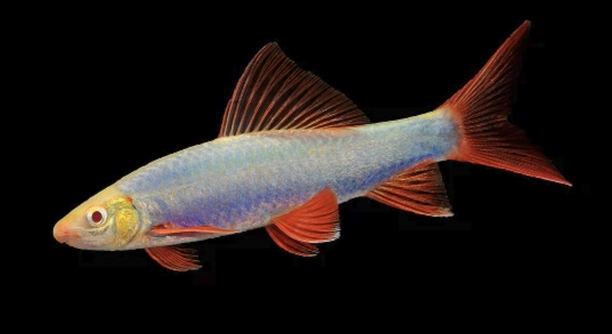
Keeping a Rainbow Shark active and healthy is important for any aquarium owner. These fish need the right care to thrive and show their natural behavior. Proper attention helps maintain their vibrant colors and energy.
To keep your Rainbow Shark healthy and active, provide a spacious tank with clean, well-oxygenated water, offer a varied diet, maintain stable water parameters, include hiding spots, encourage swimming space, and monitor their behavior regularly.
Following these simple care tips will support your fish’s wellbeing and create a balanced environment for them to flourish.
Provide a Spacious Tank
Rainbow Sharks need plenty of room to swim and explore. A small tank will make them stressed and less active. Ideally, a tank should be at least 30 gallons to allow enough space for swimming and hiding. When the space is limited, they can become aggressive or lethargic. These fish enjoy having areas with plants, rocks, or decorations where they can hide and feel safe. Proper tank size also helps maintain water quality because larger volumes dilute waste better. Be sure to arrange the tank so there is open swimming space alongside hiding spots. Avoid overcrowding the tank with too many fish, as this will reduce swimming space and increase stress. With a well-planned setup, your Rainbow Shark will be happier and healthier.
A large tank provides the necessary environment for natural behaviors and reduces stress-related health issues.
Keeping their environment spacious encourages activity and supports their overall well-being.
Maintain Clean and Well-Oxygenated Water
Clean water is essential for your Rainbow Shark’s health. Regular water changes, about 25% weekly, help remove toxins and keep nitrate levels low. Use a good filter to maintain water clarity and oxygen levels. Poor water quality can cause stress, weaken their immune system, and lead to diseases. Testing water parameters like pH, ammonia, nitrite, and nitrate regularly is important. Rainbow Sharks prefer a pH between 6.5 and 7.5 and water temperatures around 72–79°F (22–26°C). Proper aeration is also necessary because these fish need oxygen-rich water. You can add air stones or adjust the filter output to increase water movement. Keeping these factors balanced will ensure your Rainbow Shark stays healthy and active in its tank.
Clean, well-oxygenated water creates the ideal living conditions for Rainbow Sharks and supports their longevity. Regular maintenance helps avoid many common health problems.
Offer a Varied Diet
Rainbow Sharks are omnivores and need a mix of foods. Feeding them only flakes or pellets is not enough.
Including live, frozen, or freeze-dried foods like bloodworms or brine shrimp adds protein and variety. Vegetables such as blanched zucchini or spinach provide essential nutrients and fiber. Offering a diverse diet helps keep their digestion healthy and colors bright. Overfeeding should be avoided since it can pollute the tank and harm your fish’s health. Feeding small amounts two times a day is ideal. Observing your fish’s eating habits helps adjust portions and types of food to suit their needs.
Providing a balanced diet supports their immune system and promotes steady growth. Variety keeps your Rainbow Shark interested and encourages natural foraging behavior.
Monitor Water Parameters Regularly
Water parameters affect your Rainbow Shark’s well-being. Testing the water at least once a week ensures a safe environment. Ammonia and nitrite should always be at zero since even small amounts can be toxic. Nitrate levels need to stay below 20 ppm to prevent stress and illness. Temperature must be consistent within the 72–79°F range, avoiding sudden changes that cause shock. pH levels between 6.5 and 7.5 are best for this species. If parameters shift, prompt action like partial water changes or adjusting equipment is necessary to avoid harm. Keeping a log of readings can help track trends and spot problems early, making maintenance easier. A stable environment keeps your fish active and less prone to disease.
Include Hiding Spots
Rainbow Sharks need places to hide to feel secure. Rocks, plants, and decorations work well for this purpose.
Hiding spots reduce stress and aggression. They allow the fish to rest and escape from bright lights or other tankmates.
Encourage Swimming Space
Open swimming areas are vital for your Rainbow Shark’s activity. Avoid cluttering the tank with too many decorations or plants.
These fish are natural swimmers and need room to move freely. Providing space supports their physical health and prevents boredom.
Monitor Behavior Regularly
Watch your Rainbow Shark for any changes in activity, appetite, or appearance. Early signs of illness include lethargy, loss of color, or hiding more than usual.
Regular observation helps catch problems early. Prompt action improves chances for recovery and keeps your fish healthy.
Avoid Overcrowding
Too many fish in one tank can cause stress and competition for resources. Overcrowding often leads to poor water quality and aggression.
Keeping the tank population balanced creates a calmer environment, promoting better health for your Rainbow Shark.
FAQ
How often should I feed my Rainbow Shark?
Feeding your Rainbow Shark twice a day with small portions is ideal. Overfeeding can pollute the tank and harm their health. It’s best to offer a mix of pellets, flakes, and occasional live or frozen foods. Watch their appetite to avoid leftover food that could affect water quality.
What water temperature is best for Rainbow Sharks?
Rainbow Sharks thrive in temperatures between 72°F and 79°F (22°C to 26°C). Keeping the water stable within this range prevents stress and illness. Sudden temperature changes can shock them, so using a reliable heater and thermometer is important.
Can Rainbow Sharks live with other fish?
Yes, but choose tankmates carefully. Rainbow Sharks can be territorial and may act aggressive in small or crowded tanks. Ideal companions include peaceful, fast-swimming fish that occupy different tank levels. Avoid slow or long-finned species that might get nipped.
How large should the tank be?
A minimum of 30 gallons is recommended for one Rainbow Shark. Larger tanks allow more swimming space and reduce aggression. Overcrowding can lead to stress and health problems. Adding decorations and plants also helps create hiding places.
Why is my Rainbow Shark hiding all the time?
Hiding is normal, especially when they feel stressed or threatened. Common causes include poor water quality, aggressive tankmates, or lack of hiding spots. Check water parameters and ensure the tank has enough cover. Persistent hiding might signal illness.
What should I do if my Rainbow Shark gets sick?
Isolate the fish in a quarantine tank if possible. Check water conditions and improve them immediately. Treat with appropriate medication based on symptoms. Consulting a vet or experienced aquarist is helpful for diagnosis and care.
How often should I change the water?
Perform partial water changes of about 25% weekly. This helps remove toxins and keeps nitrate levels low. Regular changes support healthy water chemistry and reduce stress on your fish.
Do Rainbow Sharks need special lighting?
Normal aquarium lighting is sufficient. Avoid very bright lights that may stress the fish. Having shaded areas or floating plants can help them feel secure and reduce light intensity.
Can I keep more than one Rainbow Shark together?
Keeping multiple Rainbow Sharks in one tank is risky because they can be territorial, especially in small tanks. If you want more than one, a large tank with plenty of hiding spaces is necessary. Observe their behavior closely to prevent fights.
What kind of decorations are best?
Use smooth rocks, driftwood, and sturdy plants for hiding places. Avoid sharp or rough decorations that can injure your fish. Decorations should provide shelter but not block open swimming areas.
How do I know if my Rainbow Shark is stressed?
Signs of stress include hiding, loss of appetite, faded colors, and erratic swimming. Stress can be caused by poor water quality, overcrowding, or aggressive tankmates. Address these issues quickly to keep your fish healthy.
Is it necessary to use a water conditioner?
Yes, always use a water conditioner when adding tap water to the tank. It removes harmful chemicals like chlorine and chloramines, making the water safe for your fish.
What do Rainbow Sharks eat in the wild?
In their natural habitat, Rainbow Sharks eat algae, small invertebrates, and plant matter. Mimicking this diet in captivity helps maintain their health and natural behaviors.
How long do Rainbow Sharks live?
With proper care, Rainbow Sharks can live 5 to 8 years or longer. Good water quality, diet, and tank conditions are essential to reaching their full lifespan.
Can Rainbow Sharks jump out of the tank?
Yes, they can jump, especially if stressed or startled. Keeping a secure lid on the tank prevents escapes and injuries.
Taking good care of your Rainbow Shark means paying attention to its environment and needs. These fish need enough space, clean water, and a good diet to stay healthy. When you provide a large enough tank with proper hiding spots, your Rainbow Shark will feel safe and more active. Clean, well-oxygenated water is important because it helps prevent diseases and keeps your fish comfortable. Testing water regularly and doing partial water changes will keep the water quality in check.
Feeding your Rainbow Shark a varied diet is just as important as keeping the tank clean. A mix of pellets, flakes, and occasional live or frozen foods gives your fish the nutrients it needs. Adding some vegetables can also be helpful for their digestion and overall health. It is better to feed small amounts twice a day and avoid overfeeding, which can harm both your fish and the tank environment. Watching your fish’s behavior and appetite closely helps you adjust its care as needed.
Finally, keeping an eye on your Rainbow Shark’s behavior will let you know when something is wrong. Signs like hiding too much, loss of color, or changes in swimming habits might mean stress or illness. If you notice these signs, checking water quality and tank mates is a good first step. Providing the right space, clean water, a good diet, and regular care will help your Rainbow Shark live a long, active life. By following these basic guidelines, you can enjoy watching your fish thrive in a healthy home.

Hello,
If you enjoy the content that we create, please consider saying a "Thank You!" by leaving a tip.
Every little bit helps us continue crafting quality advice that supports the health, happiness, and well-being of pets around the world, for pets of all shapes, sizes, and species.
We really appreciate the kindness and support that you show us!