
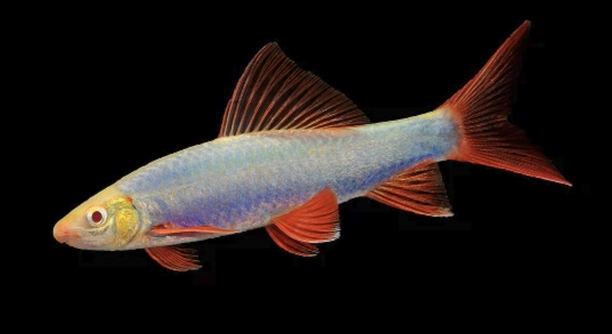
Rainbow sharks are popular freshwater fish known for their striking colors and peaceful appearance. However, many owners notice their rainbow sharks don’t always get along in a shared tank. Conflicts and stress can happen even in well-maintained aquariums.
Rainbow sharks often display territorial behavior, especially in confined spaces. Their aggressive tendencies increase when they feel crowded, stressed, or when tank conditions are unsuitable. These factors lead to conflicts that disrupt harmony in the aquarium environment.
Understanding these reasons helps improve the well-being of your fish and creates a calmer tank atmosphere. This article explores the common causes behind rainbow shark disagreements.
Territorial Behavior in Rainbow Sharks
Rainbow sharks are naturally territorial fish. They like to claim a certain area of the tank as their own and defend it from others. When the tank is too small, or when there are too many fish, these boundaries become crowded. This makes the sharks more aggressive and leads to fights. They may chase, nip, or even injure other fish to protect their space. Providing plenty of hiding spots and decorations can help break up the tank into sections. This gives each shark a space to claim and reduces direct conflicts. It is also important to avoid overcrowding the tank, as too many fish will heighten tension. Regular observation helps catch early signs of stress or aggression, so adjustments can be made before problems escalate.
Keeping the tank large enough and well-decorated allows rainbow sharks to feel secure and lowers aggressive behavior overall.
Rainbow sharks’ strong need for personal space makes managing tank size and layout critical. Proper tank setup promotes peace and healthier fish.
Water Quality and Tank Conditions
Poor water quality can stress rainbow sharks and trigger aggressive behavior. Ammonia, nitrites, or high nitrate levels irritate their skin and gills, making them uncomfortable. Changes in temperature or pH levels outside their preferred range can also upset them. When fish are stressed, they are more likely to act aggressively toward tank mates. Regular water testing and maintenance are essential to keep conditions stable. Cleaning the tank regularly and performing water changes help remove harmful substances. Filters must be working properly to keep water clean and oxygenated. A stable environment reduces stress and helps rainbow sharks coexist peacefully.
Stress from bad water conditions increases aggression in rainbow sharks and damages their health. Maintaining clean, stable water is key to a peaceful tank environment. Taking time to monitor water parameters and making corrections as needed will improve fish behavior and overall well-being. Fish that live in a well-maintained tank show less aggression and have a better quality of life.
Overcrowding in the Aquarium
Too many fish in one tank cause stress and aggression among rainbow sharks. They need enough space to swim freely and claim territories without constant confrontation.
Overcrowding limits their movement and increases competition for food, hiding spots, and space. When space is tight, rainbow sharks become more defensive and aggressive toward each other. This can lead to constant chasing, injuries, and stress-related health problems. Keeping the tank population balanced with the tank size is essential to avoid these issues. A general rule is to provide at least 20 gallons of water per rainbow shark to help reduce tension. Providing hiding places and decorations can also help them avoid direct contact, but space is the biggest factor.
When planning your aquarium, always consider the adult size and number of rainbow sharks to maintain a healthy, peaceful environment. Crowding only leads to ongoing conflicts and unhappy fish.
Feeding Competition
Rainbow sharks can become aggressive during feeding times due to competition for food. This behavior is natural as they try to secure their share.
Feeding multiple small portions at different tank locations can reduce aggression. Unequal food distribution often causes dominant fish to chase others away. This can result in weaker or shy fish not getting enough nutrition. Watching feeding habits closely helps to identify if some fish are being bullied or left hungry. Adjusting feeding schedules and amounts ensures all fish eat properly. Using sinking pellets or spreading food around the tank can also help lessen competition. Feeding strategies that reduce stress promote a healthier social balance in the tank.
A well-planned feeding routine keeps peace during meal times and supports the health of all rainbow sharks in the aquarium.
Lack of Hiding Spots
Rainbow sharks need places to hide and rest. Without enough shelters, they feel exposed and stressed.
Stress from lack of cover increases aggression. Adding plants, rocks, or decorations can help create safe zones and reduce fights.
Incompatible Tank Mates
Not all fish get along well with rainbow sharks. Aggressive or very active species can cause tension in the tank.
Choosing peaceful tank mates that share similar water needs helps maintain harmony. Avoid species that compete aggressively for territory or food with rainbow sharks.
Poor Lighting Conditions
Bright or constant lighting can stress rainbow sharks. They prefer dimmer or natural light cycles to feel comfortable.
Too much light can cause hiding fish to become anxious and aggressive. Adjusting lighting to mimic natural day and night helps reduce stress and aggression.
Sudden Changes in Environment
Rainbow sharks do not handle sudden changes well. Quick shifts in water temperature or tank setup can upset their balance.
How can I reduce aggression between my rainbow sharks?
To reduce aggression, first make sure the tank is large enough—at least 55 gallons for multiple rainbow sharks. Add plenty of hiding spots using plants, rocks, and decorations to break up sight lines. Feed small amounts of food in several places to avoid competition. Keep water quality high with regular testing and maintenance. Avoid overcrowding by limiting the number of fish. Sometimes rearranging decorations can disrupt established territories and lower aggression. Watching behavior closely helps catch problems early.
Why are my rainbow sharks chasing each other?
Chasing is usually a sign of territorial behavior or competition. Rainbow sharks claim areas and defend them, especially in small tanks. Stress from poor water conditions or overcrowding can make chasing worse. It can also happen during feeding when fish compete for food. Providing more space, hiding spots, and careful feeding can reduce chasing. If chasing leads to injuries, consider separating aggressive fish.
What tank size is best for keeping rainbow sharks together?
A tank of at least 55 gallons is recommended for housing more than one rainbow shark. This size provides enough space for each fish to claim its own territory and reduces stress from crowding. Larger tanks allow for more decorations and hiding places, which help create natural boundaries. Smaller tanks often cause fights because fish feel cramped and unable to avoid each other.
Can rainbow sharks live with other fish?
Yes, but choosing the right tank mates is important. Peaceful, medium-sized fish that share similar water conditions work best. Avoid very aggressive or very timid species, as well as other bottom-dwellers competing for the same space. Suitable companions include certain tetras, danios, and barbs. Always monitor interactions and be ready to separate fish if aggression occurs.
How often should I clean my rainbow shark tank?
Cleaning frequency depends on tank size and number of fish but generally every one to two weeks is ideal. Regular partial water changes (about 20-30%) help remove waste and keep water quality stable. Clean filters monthly and vacuum the substrate to remove leftover food and debris. Keeping the tank clean reduces stress and illness, which lowers aggression.
What is the best diet for rainbow sharks to keep them healthy?
Rainbow sharks eat a variety of foods. A balanced diet includes high-quality sinking pellets, supplemented with live or frozen foods like bloodworms and brine shrimp. Vegetables like blanched zucchini or peas can be offered occasionally. Feeding small amounts twice daily helps maintain good health and reduces competition. Avoid overfeeding, which can pollute the water.
Why do rainbow sharks nip at other fish?
Nipping is often a territorial or dominance behavior. It can happen when the tank is crowded or when fish are stressed. Sometimes nipping happens during feeding or breeding times. Providing enough space and hiding spots helps reduce this behavior. If nipping causes injuries, separating aggressive fish may be necessary.
How can I tell if my rainbow sharks are stressed?
Signs of stress include hiding constantly, loss of appetite, rapid breathing, faded colors, and unusual swimming patterns like darting or rubbing against objects. Stress often results from poor water quality, overcrowding, or aggressive tank mates. Improving tank conditions and reducing aggression usually helps stressed fish recover.
Is it normal for rainbow sharks to be aggressive at night?
Rainbow sharks are more active during dawn and dusk but may show some aggression if their territory is disturbed. Aggression at night can increase if the tank is too small or lacking hiding places. Dim lighting or turning off aquarium lights at night helps fish feel secure and reduces nighttime conflicts.
What should I do if my rainbow sharks are seriously fighting?
If fights cause injury, separate the fish immediately to prevent harm. Check tank size, water quality, and hiding spots, and make adjustments. Consider reducing the number of rainbow sharks or changing tank mates. Sometimes rearranging the tank decorations breaks up territories and lowers aggression. Monitoring fish behavior closely will help prevent future fights.
Rainbow sharks can be beautiful and interesting additions to a home aquarium, but they do require careful care to get along well. Their natural territorial behavior means they need enough space and a well-structured environment to reduce conflicts. Providing a large tank with plenty of hiding spots helps create separate areas where each fish can feel safe. Without this, rainbow sharks are more likely to show aggression, which can stress them and other tank mates. Paying attention to tank size and layout is one of the most important steps for a peaceful aquarium.
Maintaining good water quality is just as important as the physical space. Rainbow sharks are sensitive to changes in water temperature, pH, and cleanliness. Poor water conditions can increase stress levels and cause the fish to become more aggressive or sick. Regular testing, cleaning, and proper filtration are key to keeping the water healthy. A stable and clean environment not only supports the health of the fish but also encourages calmer behavior. When the water is right, rainbow sharks can thrive and coexist more peacefully with other fish.
Feeding routines and tank companions also play a big role in how well rainbow sharks get along. Feeding small portions in different places reduces competition and fighting over food. Choosing peaceful tank mates that won’t challenge the sharks for territory or food can lower tension. Watching the fish carefully for signs of stress or injury is helpful, so problems can be addressed early. With the right tank size, water conditions, feeding habits, and companions, rainbow sharks are more likely to live together peacefully and show their bright colors in a happy aquarium. Taking these steps improves the overall health and enjoyment of the tank.

Hello,
If you enjoy the content that we create, please consider saying a "Thank You!" by leaving a tip.
Every little bit helps us continue crafting quality advice that supports the health, happiness, and well-being of pets around the world, for pets of all shapes, sizes, and species.
We really appreciate the kindness and support that you show us!