
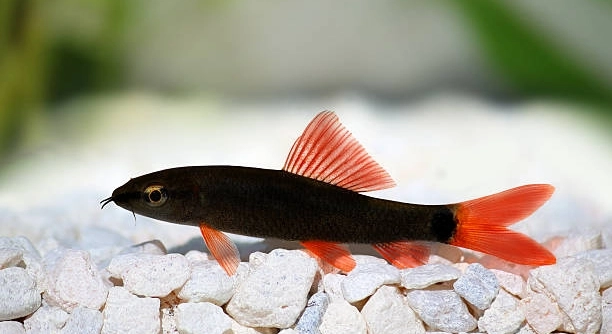
Setting up a Rainbow Shark tank can be a rewarding experience for aquarium enthusiasts. These fish are known for their striking colors and active nature. Proper preparation ensures a healthy environment for them to thrive and display their best features.
When setting up a Rainbow Shark tank, several key factors must be considered. These include tank size, water parameters, filtration, hiding spots, compatible tank mates, diet, and regular maintenance. Addressing each aspect carefully promotes the well-being and longevity of the fish.
Knowing the important details behind each consideration will help you create a balanced and vibrant aquatic environment for your Rainbow Sharks. This guide covers essential points to support their health and happiness.
Choosing the Right Tank Size
Rainbow Sharks are active swimmers and need enough space to move freely. A tank of at least 40 gallons is recommended for one Rainbow Shark. Larger tanks provide better water stability and allow for more decorations and hiding spots. Overcrowding can cause stress and aggression, which may lead to health problems. It is also important to have a tank with a secure lid, as Rainbow Sharks can jump out. Consider the shape of the tank as well; a longer tank offers more swimming space than a tall one. Providing a proper environment from the start will help your Rainbow Shark feel comfortable and reduce the risk of illness.
A spacious tank helps maintain clean water and reduces stress for your Rainbow Shark. This is essential for their overall health and behavior.
Adding plenty of hiding places like caves and plants allows your Rainbow Shark to feel safe. It also helps reduce conflicts if you keep other fish. Use smooth decorations to avoid injuries. Regular water changes and monitoring parameters keep the tank environment stable. This creates a better home for your Rainbow Shark to thrive in.
Maintaining Proper Water Conditions
Water quality is critical for Rainbow Sharks to live long and stay healthy. They prefer water with a temperature between 72°F and 79°F. The pH should be slightly acidic to neutral, ideally between 6.5 and 7.5. Regular testing of water parameters is necessary to catch any changes early. High levels of ammonia, nitrites, or nitrates can be harmful, so a good filtration system is essential. Perform partial water changes weekly to keep toxins low. Avoid sudden changes in water temperature or chemistry, as this can stress the fish. Stable, clean water promotes healthy behavior and vibrant colors in Rainbow Sharks.
Proper water maintenance includes checking the filter and replacing media as needed. Keeping the tank clean helps prevent disease and keeps your fish comfortable. Following a routine care schedule simplifies tank management and supports your Rainbow Shark’s well-being.
Selecting Compatible Tank Mates
Rainbow Sharks can be territorial, especially in smaller tanks. Choose tank mates that are peaceful but robust enough to avoid bullying. Avoid slow-moving or long-finned fish, as they may become targets.
Ideal tank mates include barbs, danios, and larger tetras. These fish tolerate similar water conditions and won’t compete aggressively for space. Keep groups of schooling fish to reduce aggression and stress. Introducing tank mates gradually helps monitor interactions and prevent conflicts. Always have plenty of hiding spaces to ease tension among fish. A well-planned community tank supports a balanced environment and happier inhabitants.
It’s important to observe behavior regularly after adding new fish. If aggression appears, rearranging decorations or separating fish may be necessary. Careful selection and monitoring will keep your Rainbow Shark and its companions healthy and calm.
Providing a Balanced Diet
Rainbow Sharks are omnivores that benefit from a varied diet. High-quality pellets or flakes designed for bottom feeders should form the base of their meals. Supplement their diet with live or frozen foods like bloodworms, brine shrimp, and daphnia for protein. Occasional vegetable matter such as blanched zucchini or peas adds fiber and nutrients.
Feeding small amounts two to three times daily prevents overfeeding and water pollution. Uneaten food should be removed promptly to maintain water quality. A balanced diet supports vibrant colors, growth, and overall health. Regularly varying food types helps meet all nutritional needs and reduces boredom. Proper nutrition is key to keeping your Rainbow Shark active and thriving in its tank environment.
Creating Hiding Spots
Rainbow Sharks need places to hide to feel secure. Rocks, caves, and dense plants offer shelter. This reduces stress and aggression.
Use smooth decorations to prevent injury. Arrange hiding spots throughout the tank for easy access.
Filtration and Aeration
A strong filtration system is vital to maintain clean water. It removes waste and toxins efficiently. Proper aeration ensures enough oxygen circulates in the tank, helping fish breathe easily and stay healthy.
Regular filter cleaning prevents clogging but avoid washing media too harshly to keep beneficial bacteria alive.
Monitoring Fish Behavior
Observe your Rainbow Shark daily for signs of stress or illness. Changes in activity, appetite, or appearance may indicate problems.
Early detection allows prompt action and prevents serious health issues. Maintaining a stable environment supports consistent behavior and well-being.
FAQ
How often should I feed my Rainbow Shark?
Feeding your Rainbow Shark two to three times daily is ideal. Offer small portions each time to prevent overfeeding. Remove any uneaten food after a few minutes to keep the water clean and avoid harmful waste buildup. A balanced diet with pellets, flakes, and occasional live or frozen foods supports their health.
Can Rainbow Sharks live with other fish?
Yes, but choose tank mates carefully. Rainbow Sharks can be territorial, so avoid slow or long-finned fish that may be bullied. Good companions include barbs, danios, and larger tetras. Always provide hiding spaces and monitor behavior when introducing new fish to reduce aggression.
What water parameters are best for Rainbow Sharks?
Rainbow Sharks prefer temperatures between 72°F and 79°F, with a pH around 6.5 to 7.5. Water hardness should be moderate. Regularly test water to ensure ammonia, nitrites, and nitrates stay low. Stable conditions are important to prevent stress and disease.
How large should the tank be?
A minimum of 40 gallons is recommended for one Rainbow Shark. Larger tanks improve water stability and reduce territorial conflicts. A long tank shape is better for swimming space. Overcrowding can lead to stress and aggression.
Do Rainbow Sharks need special lighting?
No special lighting is necessary, but moderate lighting helps show off their colors. Avoid intense, direct light, which may stress the fish. Using plants or decorations to create shaded areas allows the fish to find comfort.
How often should I change the water?
Partial water changes of about 20-30% should be done weekly. This keeps water clean and reduces toxins. Avoid changing too much water at once, which can shock the fish. Regular maintenance supports a healthy environment.
What signs show that a Rainbow Shark is sick?
Look for changes in behavior such as lethargy, loss of appetite, or hiding more than usual. Physical signs include faded colors, spots, torn fins, or abnormal swimming. Early treatment improves chances of recovery.
Can Rainbow Sharks jump out of the tank?
Yes, they can jump, especially if stressed or if water quality is poor. Always use a secure lid to prevent escapes. Keeping water conditions stable helps reduce jumping behavior.
What decorations are best for the tank?
Smooth rocks, caves, and live or artificial plants create good hiding spots and reduce aggression. Avoid sharp or rough decorations that could injure the fish. Providing enough cover helps Rainbow Sharks feel safe.
Is it necessary to use a heater?
If room temperature stays within the preferred range (72°F to 79°F), a heater may not be needed. However, in cooler climates or air-conditioned rooms, a reliable heater ensures stable water temperature. Consistency helps maintain fish health.
How do I introduce new fish to the tank?
Add new fish slowly, ideally quarantining them first to avoid introducing disease. Rearrange decorations to break up territories before adding new tank mates. Monitor interactions closely to prevent bullying or fighting.
What should I do if my Rainbow Shark becomes aggressive?
Ensure the tank is large enough and has sufficient hiding places. Sometimes rearranging decorations can help reset territories. If aggression persists, separating the aggressive fish or upgrading to a larger tank may be necessary.
Can Rainbow Sharks live alone?
Yes, they can live alone and often do well without other fish. Keeping just one Rainbow Shark reduces territorial disputes and stress. However, they can live peacefully in a community tank if conditions are right.
What do Rainbow Sharks eat in the wild?
In nature, Rainbow Sharks feed on algae, insects, crustaceans, and plant matter. Their diet in captivity should reflect this variety to keep them healthy and vibrant.
How long do Rainbow Sharks typically live?
With proper care, Rainbow Sharks can live 5 to 8 years in captivity. Good water quality, a balanced diet, and a suitable environment contribute to a longer lifespan.
Is it normal for Rainbow Sharks to hide a lot?
Yes, hiding is natural, especially if they feel threatened or stressed. Providing plenty of shelters helps them feel secure. If hiding increases suddenly, check water conditions and health.
How do I clean the tank without harming my fish?
Use a gravel vacuum to remove debris during water changes. Clean decorations gently without harsh chemicals. Avoid disturbing the beneficial bacteria in the filter by rinsing media lightly with tank water.
Are Rainbow Sharks compatible with shrimp or snails?
Rainbow Sharks may see small shrimp or snails as food, especially if hungry. Larger snails might be safer. Always observe interactions and provide hiding places to protect smaller tank inhabitants.
Can Rainbow Sharks recognize their owners?
They can learn to recognize feeding routines and may become accustomed to your presence. While not affectionate like some fish, they may respond to movement near the tank.
What is the best way to prevent diseases?
Maintain clean water, feed a balanced diet, and avoid overcrowding. Quarantine new fish before introducing them to the tank. Early detection and treatment are essential to prevent disease spread.
Setting up a Rainbow Shark tank requires attention to several important factors. Providing a suitable tank size, proper water conditions, and a balanced diet forms the foundation for their well-being. Each of these elements plays a role in creating a healthy environment where the fish can thrive. Taking the time to understand and apply these basics will help prevent common problems and ensure your Rainbow Shark remains active and vibrant.
It is equally important to consider tank mates carefully and provide adequate hiding spots. Rainbow Sharks can be territorial, so choosing compatible fish and arranging decorations to reduce stress helps maintain peace in the tank. Regular maintenance, including cleaning and water changes, supports water quality and fish health. Observing the fish’s behavior is necessary to catch early signs of illness or stress, allowing prompt action to be taken. Maintaining a stable, clean environment is key to long-term success.
Overall, keeping a Rainbow Shark tank is a rewarding experience when approached with care and knowledge. By focusing on proper setup, diet, tank mates, and routine care, you create conditions that support the fish’s natural behavior and health. Staying consistent with maintenance and paying attention to changes will help your Rainbow Shark live a full and healthy life. With these considerations in place, your tank can be a balanced and enjoyable aquatic habitat.

Hello,
If you enjoy the content that we create, please consider saying a "Thank You!" by leaving a tip.
Every little bit helps us continue crafting quality advice that supports the health, happiness, and well-being of pets around the world, for pets of all shapes, sizes, and species.
We really appreciate the kindness and support that you show us!