
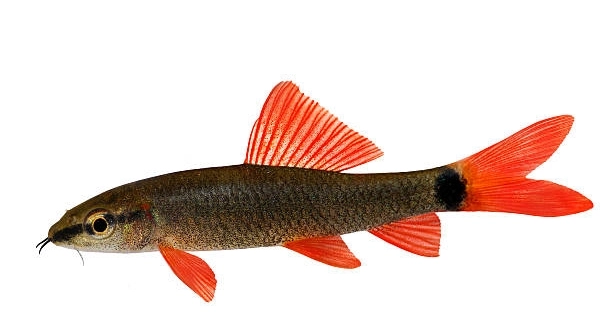
Are your rainbow shark tanks showing signs of stress or imbalance? Maintaining a healthy environment is essential for the wellbeing of these beautiful fish. Proper care can help them thrive and display their vibrant colors.
Maintaining a healthy rainbow shark tank environment requires regular water changes, appropriate tank size, balanced diet, good filtration, stable water parameters, and providing hiding places to reduce stress. Consistent monitoring and care ensure the fish remain healthy and active.
These simple tips will help you create a stable and comfortable home for your rainbow sharks. Taking small steps can lead to big improvements in their overall health and happiness.
Choosing the Right Tank Size for Rainbow Sharks
Rainbow sharks need enough space to swim freely and stay healthy. A tank that is too small can cause stress and limit their growth. For one rainbow shark, a tank of at least 30 gallons is recommended. If you plan to keep multiple fish, a larger tank is necessary to prevent overcrowding. This gives them room to establish territories and reduces aggressive behavior. A bigger tank also helps maintain stable water conditions by diluting waste and toxins more effectively. Choosing the right tank size from the start makes a big difference in keeping your fish happy.
A spacious tank reduces stress and supports the natural behavior of rainbow sharks.
Water quality is easier to manage in a larger tank because toxins build up more slowly. This means fewer sudden changes in water chemistry that could harm your fish. Also, the extra space lets you add decorations like plants and caves that provide hiding spots. These help rainbow sharks feel secure, which lowers stress levels and aggression. Taking time to pick the right tank size shows you care about the long-term health of your fish.
Keeping Water Clean and Well-Filtered
Proper filtration is key to a healthy tank. It removes waste and harmful chemicals that can build up quickly in a fish tank. Choose a filter rated for your tank size and clean it regularly. This helps keep water clear and safe for your rainbow sharks. Without good filtration, ammonia and nitrites can rise, causing illness and stress. A filter also helps circulate water, ensuring oxygen reaches all areas of the tank. Proper water movement mimics natural conditions and supports fish health.
Regular water changes complement filtration by removing leftover waste and toxins. Changing 20-25% of the water weekly helps maintain water quality. Using a water conditioner during changes removes chlorine and other harmful chemicals from tap water. Testing your water regularly for ammonia, nitrite, nitrate, and pH levels keeps you informed about tank conditions. Keeping water clean through filtration and water changes protects your rainbow sharks and encourages vibrant colors and active behavior.
Feeding Your Rainbow Sharks Properly
Rainbow sharks need a balanced diet with variety. High-quality pellets or flakes designed for omnivorous fish should be the main food. Supplement their diet with occasional treats like bloodworms or brine shrimp to keep them healthy and interested.
Feeding the right amount is important to avoid overfeeding, which can pollute the tank. Give small portions once or twice a day, only what they can eat in a few minutes. Overfeeding can lead to poor water quality and health problems. Providing a mix of plant-based and protein foods supports their natural diet and promotes vibrant colors. Watching how much they eat helps you adjust feeding amounts and keep the tank clean.
Offering live or frozen foods occasionally encourages natural hunting behavior. It also gives extra nutrients that dry food might lack. Mixing different food types can prevent boredom and improve overall health. Keeping a consistent feeding schedule helps your rainbow sharks stay active and strong.
Managing Tank Mates Carefully
Rainbow sharks can be territorial, especially in smaller tanks. Choosing tank mates that are peaceful and similarly sized reduces stress and aggression. Avoid keeping them with very small or slow-moving fish that might get bullied.
Good tank mates include species like danios, barbs, or larger tetras. These fish share similar water requirements and are active enough to coexist without conflict. Avoid other bottom dwellers that compete for the same space. Providing plenty of hiding spots and plants helps reduce fights. Monitor interactions regularly and be ready to separate aggressive fish if needed. A well-planned community tank improves the overall environment and keeps all fish healthier and happier.
Monitoring Water Temperature
Rainbow sharks thrive in water temperatures between 74°F and 80°F. Keeping the temperature stable within this range helps reduce stress and supports their immune system.
Sudden temperature changes can cause illness. Use a reliable heater and thermometer to maintain consistent warmth, especially in cooler climates or during winter months.
Providing Hiding Spots
Hiding places are essential for rainbow sharks to feel safe. Use caves, plants, and decorations to create secure areas within the tank.
These spots help reduce stress and prevent aggressive behavior. A well-decorated tank encourages natural activity and comfort for your fish.
Testing Water Parameters Regularly
Testing water regularly is crucial for maintaining a healthy tank environment. Keep track of ammonia, nitrite, nitrate, and pH levels to prevent harmful spikes.
Using test kits helps catch problems early before they affect your fish’s health. Routine monitoring supports a balanced and safe aquatic home.
Avoid Overcrowding
Too many fish in one tank can cause stress and poor water quality. Follow stocking guidelines to keep a balanced community.
A properly stocked tank ensures rainbow sharks have enough space to swim and maintain natural behavior.
FAQ
How often should I change the water in my rainbow shark tank?
Water changes should be done weekly, replacing about 20-25% of the tank water each time. This helps remove waste, toxins, and excess nutrients that build up. Regular water changes keep the water quality stable and prevent harmful spikes in ammonia and nitrates. Avoid changing too much water at once, as this can stress the fish by causing sudden shifts in water chemistry.
What is the ideal pH level for rainbow sharks?
Rainbow sharks do best in slightly acidic to neutral water, with a pH between 6.5 and 7.5. Keeping the pH stable within this range helps them maintain healthy bodily functions. Sudden changes in pH can cause stress and weaken their immune system, so it’s important to test and adjust the pH as needed using safe water conditioners.
Can rainbow sharks live with other fish?
Yes, but tank mates should be chosen carefully. Rainbow sharks can be territorial, so peaceful fish of similar size work best. Suitable tank mates include danios, barbs, and larger tetras. Avoid small, slow-moving, or bottom-dwelling fish that might be bullied or stressed. Providing hiding spots and space reduces aggression and helps all fish coexist peacefully.
What should I feed my rainbow shark?
A balanced diet includes high-quality pellets or flakes made for omnivorous fish. Supplement with live or frozen foods like bloodworms or brine shrimp occasionally. This variety supports their nutritional needs and keeps them interested in feeding. Avoid overfeeding; offer only what they can eat in a few minutes, once or twice daily. Uneaten food can pollute the water and cause health issues.
How large should the tank be for rainbow sharks?
At least 30 gallons is recommended for one rainbow shark. Larger tanks are needed if keeping multiple fish to prevent overcrowding and territorial disputes. A spacious tank supports stable water conditions and allows the fish to swim and explore comfortably. This reduces stress and helps maintain their vibrant colors and active behavior.
Why is my rainbow shark hiding all the time?
Hiding can indicate stress, illness, or poor water conditions. It’s normal for them to use hiding spots occasionally, but constant hiding suggests something is wrong. Check water quality, temperature, and tank mates for potential issues. Improving these factors and providing more hiding places may help the fish feel secure and reduce stress.
How do I prevent aggression in my rainbow shark tank?
Aggression often happens when fish feel crowded or threatened. Use a large enough tank, provide plenty of hiding places, and choose compatible tank mates. Avoid keeping multiple rainbow sharks in a small space. Regular maintenance and stable water conditions also reduce stress that can lead to aggressive behavior.
Can rainbow sharks jump out of the tank?
Yes, rainbow sharks are known to jump. A tight-fitting lid or aquarium cover is necessary to prevent escapes. Keep the lid securely in place, especially during water changes or tank maintenance. Jumping is often a sign of stress or poor tank conditions, so check water quality and environment if your fish start jumping.
How long do rainbow sharks live?
With proper care, rainbow sharks can live 5 to 8 years or longer. Good water quality, a balanced diet, and a stress-free environment contribute to their longevity. Regular tank maintenance and monitoring for disease also help keep them healthy throughout their lifespan.
What signs indicate my rainbow shark is sick?
Look for unusual behavior such as lethargy, loss of appetite, rapid breathing, clamped fins, or visible wounds. Color fading or white spots can signal illness. Poor water quality is often a cause, so test the water immediately if symptoms appear. Early treatment and improving tank conditions increase the chances of recovery.
Is it okay to keep plants with rainbow sharks?
Yes, live plants are beneficial. They provide hiding spots and improve water quality by absorbing nitrates. Choose hardy plants like Java fern or Anubias that can tolerate the fish’s occasional digging. Plants help create a natural environment that reduces stress and supports overall health.
Taking good care of rainbow sharks means paying attention to many details in their tank environment. From choosing the right tank size to keeping the water clean, each step plays an important role in their health. These fish need space to swim freely and a well-filtered tank to stay happy. Regular water changes and monitoring water parameters prevent harmful buildup that can make them sick. When the water is clean and stable, rainbow sharks show better colors and active behavior.
Feeding your rainbow sharks properly is also key. A balanced diet of pellets or flakes, with occasional live or frozen treats, keeps them strong. It is important not to overfeed, as leftover food can harm water quality. Offering hiding places like plants and caves reduces stress and prevents aggression. Rainbow sharks can be territorial, so selecting peaceful tank mates and giving enough room helps avoid conflicts. These simple habits create a peaceful and healthy home for your fish.
Keeping rainbow sharks healthy takes effort, but the rewards are worth it. Watching these beautiful fish swim energetically in a clean, well-maintained tank brings satisfaction. Regular care and attention improve their lifespan and well-being. Following the basic guidelines around tank size, water quality, diet, and tank mates sets a strong foundation. With patience and consistency, you can enjoy a thriving rainbow shark tank for many years. It is a small investment that makes a big difference in their life.

Hello,
If you enjoy the content that we create, please consider saying a "Thank You!" by leaving a tip.
Every little bit helps us continue crafting quality advice that supports the health, happiness, and well-being of pets around the world, for pets of all shapes, sizes, and species.
We really appreciate the kindness and support that you show us!