
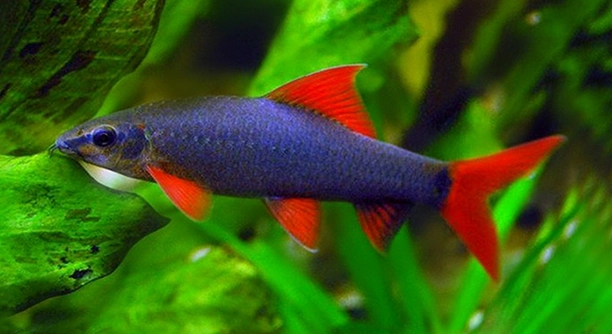
Rainbow sharks are popular aquarium fish known for their vibrant colors and active behavior. Like any pet, they can suffer from illnesses that affect their health and appearance. Knowing the signs of sickness helps owners provide timely care and support for their fish.
Rainbow shark sickness shows through symptoms such as lethargy, loss of appetite, faded coloration, clamped fins, abnormal swimming, skin lesions, and rapid gill movement. Recognizing these symptoms early is essential for effective treatment and recovery.
Understanding these symptoms can improve your ability to care for your rainbow shark and maintain a healthy aquarium environment. This knowledge supports better fish well-being and a more enjoyable fishkeeping experience.
Lethargy and Loss of Appetite
When a rainbow shark becomes lethargic, it stops swimming actively and spends more time hiding or resting at the bottom of the tank. This behavior is a clear sign that something is wrong. Along with lethargy, a loss of appetite is common. The fish may refuse food or eat much less than usual. These changes often indicate stress, illness, or poor water quality. If left unchecked, the condition can worsen quickly. Monitoring your fish’s daily behavior helps catch these symptoms early. Adjusting water parameters, improving diet, or consulting a specialist can often reverse these problems. Quick action improves the chances of recovery and prevents complications.
Lethargy and appetite loss are often the first signs of sickness. Observing these early symptoms helps prevent more serious health issues.
Addressing lethargy and appetite loss starts with checking water quality. Poor water conditions often cause stress, weakening the immune system. Ensure the tank’s temperature, pH, and ammonia levels are within safe ranges. If water parameters are stable, consider possible infections or parasites. A balanced diet rich in nutrients supports the fish’s health. Offering high-quality foods and supplements can help stimulate appetite. If symptoms persist, medication may be needed, so consult an aquatic veterinarian or experienced fish keeper.
Faded Coloration and Clamped Fins
Faded colors and clamped fins are visible signs of stress or illness in rainbow sharks. These symptoms often appear when the fish’s environment is not ideal or when it is battling infection. Faded coloration means the fish looks dull or washed out compared to its usual bright appearance. Clamped fins refer to the fins being held tightly against the body instead of spreading out naturally. These signs indicate weakened health and require attention.
Color fading and fin clamping can worsen if not addressed promptly.
To help your rainbow shark recover, check for potential causes such as poor water quality, overcrowding, or sudden changes in the tank. Maintaining stable water conditions and providing hiding spots can reduce stress. Avoid aggressive tank mates that may intimidate the fish. If an infection is suspected, treatment with appropriate medication is necessary. Regular observation and care improve the chances of restoring your fish’s vibrant colors and normal fin posture.
Abnormal Swimming Patterns
Abnormal swimming is a common sign of distress in rainbow sharks. The fish may swim erratically, float sideways, or struggle to maintain balance.
Erratic swimming often points to issues like poor water quality or internal infections. It may also result from parasites affecting the nervous system. If the fish repeatedly bumps into tank walls or floats upside down, it needs immediate attention. Check water parameters carefully, especially ammonia and nitrite levels, which can be harmful even in small amounts. Improving water quality often helps restore normal swimming behavior. In some cases, medications targeting infections or parasites are necessary to treat underlying causes.
Observing how the fish swims daily helps detect problems early. Keeping the tank clean and stable reduces stress that leads to abnormal movements. Also, avoid sudden changes in environment or temperature, as these can shock the fish and worsen symptoms. Monitoring and timely care improve your rainbow shark’s chances of recovery and long-term health.
Skin Lesions and Rapid Gill Movement
Skin lesions on a rainbow shark appear as white spots, redness, or damaged scales. These signs often indicate bacterial or fungal infections caused by poor water quality or injury. Rapid gill movement is another sign of distress and suggests difficulty breathing. It may result from low oxygen levels or gill disease.
Both symptoms require quick intervention. Improving water quality and increasing aeration can ease breathing problems. Treating infections with appropriate medication helps heal skin damage and prevent spreading. Regular tank maintenance and careful observation reduce the risk of these health issues developing.
Clamped Fins and Stress Behavior
Clamped fins are a common stress response in rainbow sharks. The fins stay tight against the body instead of spreading out naturally. This behavior often signals discomfort or illness.
Stress in rainbow sharks can be caused by poor water quality, overcrowding, or aggressive tank mates. Reducing stress improves their overall health and appearance.
Faded Colors
Faded colors often show that the rainbow shark is unhealthy or stressed. This dull appearance can be a reaction to environmental problems or illness. Keeping the tank clean and stable helps restore the fish’s natural vibrant colors.
Prevention Tips for Rainbow Shark Sickness
Maintaining good water quality is key to preventing sickness in rainbow sharks. Regular water changes and monitoring parameters like pH, ammonia, and temperature keep the environment safe. Providing a balanced diet and avoiding overcrowding also reduce stress and support immune health. A stable, clean tank lowers the risk of most common diseases and helps your fish stay healthy longer.
Rapid Gill Movement
Rapid gill movement shows your fish may be struggling to breathe properly. It’s often caused by low oxygen or gill infections. Ensuring good aeration and clean water helps ease this condition.
FAQ
What causes rainbow shark sickness?
Rainbow shark sickness usually results from poor water quality, stress, overcrowding, or infections caused by bacteria, fungi, or parasites. Sudden changes in temperature or pH levels can also weaken their immune system, making them more vulnerable to illness. Maintaining a clean and stable tank environment is critical to preventing sickness.
How can I improve water quality for my rainbow shark?
Regular water changes are essential. Replace about 20-30% of the tank water weekly to reduce harmful chemicals like ammonia and nitrites. Use a reliable water testing kit to monitor key parameters such as pH, ammonia, nitrite, and nitrate levels. Installing a good filtration system helps maintain cleanliness and oxygenation. Avoid overfeeding, as leftover food can pollute the water.
What should I feed a sick rainbow shark?
Provide a varied and nutritious diet, including high-quality sinking pellets, frozen or live foods like bloodworms and brine shrimp. These foods help improve the fish’s strength and immunity. Avoid feeding excessive amounts, which can harm water quality. If the fish refuses food, try hand-feeding or offering softer, more appealing foods.
How do I treat common infections in rainbow sharks?
Treatment depends on the type of infection. For bacterial infections, broad-spectrum antibiotics designed for fish can be used. Fungal infections often respond well to antifungal medications. Parasites require specific antiparasitic treatments. Always follow the instructions carefully and isolate the sick fish in a quarantine tank to prevent spreading. Consult an aquatic veterinarian if symptoms persist.
Why is my rainbow shark hiding more than usual?
Excessive hiding is a sign of stress or illness. The fish may feel threatened by tank mates, poor water conditions, or discomfort from disease. Check for aggressive fish in the tank, ensure water parameters are stable, and observe for other symptoms. Improving the environment and reducing stressors often encourages the fish to be more active.
Can overcrowding cause rainbow shark sickness?
Yes, overcrowding increases stress and competition for resources like food and territory. This weakens the immune system and raises the risk of disease. Rainbow sharks need enough space to swim freely. Following recommended tank size and stocking guidelines reduces stress and sickness risks.
How do I know if my rainbow shark has parasites?
Signs include scratching against objects, flashing (rapid, jerky movements), lethargy, clamped fins, and white spots on the skin. Parasites often cause irritation and breathing difficulties. Early detection is important. If parasites are suspected, start treatment quickly with antiparasitic medications to prevent severe damage.
Is it normal for rainbow sharks to have color changes?
Minor color changes can happen due to stress or water quality. However, significant fading or dullness usually signals illness or poor conditions. Keep the tank clean, stable, and well-maintained to preserve your fish’s vibrant colors.
How important is tank maintenance for preventing sickness?
Tank maintenance is vital. Dirty water leads to toxic buildup that harms fish health. Regular cleaning, water changes, and monitoring prevent common diseases. A well-maintained tank supports strong immune systems and reduces stress, making fish less likely to get sick.
What is the best way to quarantine a sick rainbow shark?
Use a separate tank with similar water conditions to the main tank. Quarantine helps stop disease from spreading. Provide clean water, proper filtration, and aeration. Monitor water quality closely and administer medication as needed. Keep the fish isolated until it fully recovers.
Rainbow sharks are beautiful and active fish that can brighten any aquarium. However, like all pets, they can experience health problems that require careful attention. Recognizing the signs of sickness early is important to help them recover quickly. Common symptoms such as lethargy, loss of appetite, faded colors, and abnormal swimming indicate that something is wrong. Understanding these signs helps fish keepers provide the right care and make necessary changes to the tank environment.
Maintaining good water quality is one of the most important factors in preventing rainbow shark sickness. Regular water changes, proper filtration, and monitoring water parameters like temperature, pH, and ammonia levels keep the tank safe and comfortable for your fish. Overcrowding and aggressive tank mates can increase stress, making the fish more vulnerable to disease. Providing a peaceful environment with enough space and hiding places improves your rainbow shark’s well-being. A balanced diet rich in nutrients also supports a strong immune system and helps the fish stay healthy.
If your rainbow shark shows symptoms of illness, quick action is key. Isolating the fish in a quarantine tank can help prevent spreading disease. Treatment may include medications for bacterial, fungal, or parasitic infections, depending on the cause. Paying close attention to your fish’s behavior and appearance on a daily basis will help you spot problems early. Taking these steps ensures your rainbow shark has the best chance for a full recovery and long-term health. Proper care and observation are essential to enjoy these colorful fish in your aquarium.

Hello,
If you enjoy the content that we create, please consider saying a "Thank You!" by leaving a tip.
Every little bit helps us continue crafting quality advice that supports the health, happiness, and well-being of pets around the world, for pets of all shapes, sizes, and species.
We really appreciate the kindness and support that you show us!