
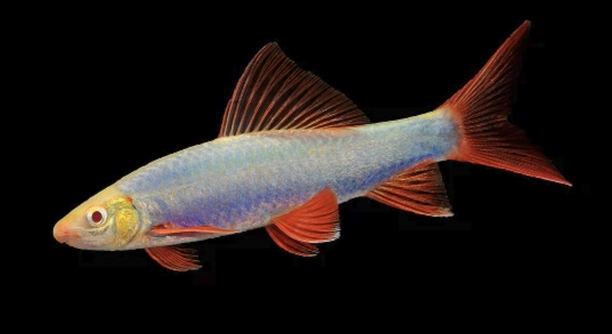
Many rainbow shark owners want to keep their tanks clean and safe. Water pollution can harm these peaceful fish and affect the whole tank environment. Simple changes can make a big difference in water quality.
Reducing water pollution in your rainbow shark tank involves regular water changes, proper feeding habits, avoiding overstocking, maintaining good filtration, cleaning decorations, monitoring water parameters, and using safe tank additives to support a healthy aquatic ecosystem.
These easy tips will help you create a better home for your rainbow sharks and keep the water fresh and clear.
Regular Water Changes Are Essential
Changing your tank water regularly is one of the best ways to keep pollution low. Even if your filter works well, leftover waste and chemicals can build up over time. Removing about 20-30% of the water every week helps reduce harmful substances. This process also adds fresh water, which keeps the environment balanced for your rainbow shark. It’s important to treat the new water with a conditioner to remove chlorine and other harmful chemicals before adding it to the tank. Skipping water changes often leads to cloudy water, fish stress, and even illness. Consistency is key — setting a schedule makes it easier to keep up. You’ll notice your tank looking clearer and your fish behaving more actively with regular water changes.
Frequent water changes reduce toxins and improve oxygen levels, creating a healthier habitat for your rainbow shark.
Cleaning your tank regularly supports the biological filter and helps maintain water clarity. It also prevents buildup on tank surfaces, which can be harmful if left unchecked.
Proper Feeding Habits Matter
Overfeeding your rainbow shark can quickly pollute the tank water. Uneaten food breaks down and releases waste, which increases ammonia and nitrate levels. Feeding small amounts once or twice daily is enough. Only give as much food as your fish can finish in a few minutes. Using high-quality food designed for bottom dwellers like rainbow sharks helps reduce leftovers. It also supports their health and coloration. Removing uneaten food after feeding prevents water quality from declining. Monitoring your fish during feeding times ensures they get enough nutrition without causing pollution. Proper feeding habits balance nutrition and tank cleanliness.
Feeding your fish correctly is an easy step to control water pollution. It also helps keep your rainbow shark healthy and active.
Too much food can lead to algae growth and foul smells. Feeding less but more often can reduce waste and keep the tank environment stable for longer periods.
Avoid Overstocking Your Tank
Keeping too many fish in your tank causes waste buildup faster. Overstocking stresses your rainbow shark and reduces water quality.
When there are too many fish, the biological filter can’t handle all the waste. This leads to higher ammonia and nitrite levels, which are toxic to your fish. Overstocking also causes competition for oxygen and space, making your rainbow shark more vulnerable to disease. It’s best to follow recommended tank size guidelines and stock fish accordingly. A less crowded tank means cleaner water and healthier fish.
Regularly assess your tank’s capacity. If you notice your fish acting stressed or the water clouding quickly, consider reducing the number of inhabitants to maintain balance.
Maintain Good Filtration
Filters remove debris and toxins from the water, keeping your tank clean. A well-maintained filter supports a stable environment.
Choose a filter appropriate for your tank size and fish load. Mechanical filtration traps solid waste, while biological filtration breaks down harmful chemicals. Clean the filter media gently when needed to avoid killing beneficial bacteria. Avoid replacing all filter media at once; this preserves the bacteria that keep ammonia and nitrites low. Check the filter flow regularly to ensure it is working efficiently. A good filtration system reduces the need for frequent water changes and keeps your rainbow shark’s habitat healthy.
Filters are an essential part of reducing water pollution and maintaining water clarity. Regular care and monitoring of your filter will protect your fish over time.
Clean Decorations and Substrate
Dirty decorations and substrate can trap waste and harmful bacteria. Regular cleaning helps keep the tank environment safe.
Use a soft brush or sponge to gently clean decorations. Vacuum the substrate during water changes to remove leftover debris. Avoid harsh chemicals that could harm your fish.
Monitor Water Parameters
Testing water regularly ensures pollution stays under control. Check ammonia, nitrite, nitrate, and pH levels at least once a week.
Keeping these parameters in safe ranges prevents stress and illness in your rainbow shark. Use reliable test kits and act quickly if values rise.
Use Safe Tank Additives
Some additives help control toxins and improve water quality. Only use products designed for freshwater fish tanks.
Avoid overusing additives as this can disrupt tank balance. Follow instructions carefully to support a healthy environment for your rainbow shark.
FAQ
How often should I change the water in my rainbow shark tank?
Water changes should be done weekly, removing about 20-30% of the tank water each time. This helps reduce waste and keeps harmful chemicals like ammonia and nitrates at safe levels. Regular water changes improve the overall health of your fish and keep the tank environment stable.
What is the best way to feed my rainbow shark to avoid pollution?
Feed your rainbow shark small amounts once or twice daily. Only offer what the fish can eat in a few minutes. Uneaten food breaks down and pollutes the water. Using high-quality sinking pellets made for bottom feeders helps reduce leftovers and keeps your fish healthy.
Can I keep other fish with my rainbow shark without causing pollution?
Yes, but be mindful of tank size and fish quantity. Overstocking increases waste, which pollutes the water faster. Choose compatible fish species and ensure your tank isn’t overcrowded. A balanced fish population supports cleaner water and a healthier tank environment.
How do I maintain my tank filter to reduce pollution?
Clean the filter media gently every few weeks without using soap or hot water to preserve beneficial bacteria. Avoid changing all media at once to keep the biological filter working. Check filter flow regularly to make sure it is running efficiently and remove debris that may clog it.
What should I do if my tank water becomes cloudy or smells bad?
Cloudy or smelly water usually means waste is building up or a bacterial imbalance exists. Perform a partial water change and clean the substrate. Check feeding habits and filter performance. Testing water parameters can help identify issues so you can act quickly to fix them.
Are tank additives safe for reducing pollution?
Some additives are safe and help remove toxins, neutralize chlorine, or promote beneficial bacteria. Always use products made specifically for freshwater tanks and follow instructions carefully. Overuse can harm the tank balance, so only add what is necessary.
How important is cleaning decorations and substrate?
Very important. Decorations and substrate trap fish waste and uneaten food, which can pollute the water if left dirty. Regular cleaning during water changes keeps the tank environment safe. Use gentle tools to avoid damaging surfaces and disturbing your fish too much.
Can overfeeding cause algae growth?
Yes. Excess food breaks down and increases nutrients in the water, promoting algae growth. Keeping feeding amounts controlled reduces leftover food and helps prevent algae problems. Proper tank maintenance and water changes also help keep algae under control.
How do I test water quality in my tank?
Use freshwater test kits to measure ammonia, nitrite, nitrate, and pH levels. Testing weekly helps catch problems early. Safe levels vary, but ammonia and nitrites should be close to zero, while nitrates should stay below 20-40 ppm. Adjust water changes or filtration based on test results.
What signs show my rainbow shark is stressed due to poor water quality?
Signs include reduced activity, hiding more often, loss of appetite, and faded color. Stress makes fish vulnerable to disease. Improving water quality through regular changes, proper feeding, and good filtration helps your rainbow shark stay healthy and active.
Keeping your rainbow shark tank clean and free from water pollution takes some effort, but it is well worth it. A healthy tank means your fish will live longer and show better colors. When the water is clean, your rainbow shark can swim freely and stay active. The steps like regular water changes, proper feeding, and good filtration help maintain a balanced environment. These actions work together to reduce harmful waste and chemicals that can build up over time.
It is important to remember that consistency is key. Doing small tasks regularly, such as cleaning the tank decorations and checking water quality, prevents big problems. Overfeeding and overcrowding are common mistakes that can quickly harm the tank’s health. Keeping an eye on how much food your fish eat and the number of fish in the tank ensures that waste stays manageable. Using safe tank additives carefully can also support water quality without upsetting the balance.
Ultimately, caring for your rainbow shark’s tank is about paying attention to details and making steady efforts. Your fish rely on you to create a safe and clean home. By following simple habits and monitoring your tank, you help your rainbow shark thrive. This makes the experience more enjoyable for both you and your fish. Taking care of the water quality shows respect for your pet and makes the aquarium a pleasant place to watch and enjoy.

Hello,
If you enjoy the content that we create, please consider saying a "Thank You!" by leaving a tip.
Every little bit helps us continue crafting quality advice that supports the health, happiness, and well-being of pets around the world, for pets of all shapes, sizes, and species.
We really appreciate the kindness and support that you show us!