
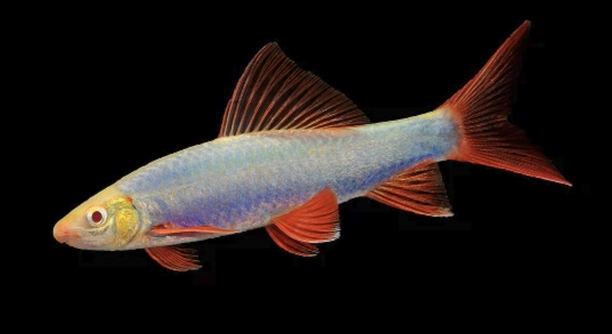
Rainbow sharks are popular aquarium fish known for their vibrant colors and active behavior. Many fish owners want to make sure their rainbow shark is growing and developing in a healthy way. Understanding the signs of normal development can help keep these fish thriving.
Monitoring your rainbow shark’s physical growth, color vibrancy, swimming behavior, appetite, and overall health provides clear indicators of normal development. Consistent observation of these traits can help detect any abnormalities early and ensure timely care.
Recognizing these key development signs will support your fish’s well-being and help maintain a balanced aquarium environment.
Physical Growth and Size
Rainbow sharks typically grow steadily, reaching about 6 inches in length when fully mature. It’s important to track your fish’s size regularly to ensure it’s developing as expected. A healthy rainbow shark will show consistent growth, especially during the first year of life. Slow or stunted growth may indicate issues such as poor water quality, insufficient nutrition, or stress. Keep in mind that overcrowding can also limit growth, as fish compete for space and resources. Measuring your rainbow shark at the same spot in the tank each week can help you notice any changes clearly. Proper tank conditions and a balanced diet are key to promoting healthy physical development.
Growth should be noticeable every few weeks, especially in young fish. Lack of growth warrants checking tank conditions and diet.
Maintaining ideal water parameters and providing high-quality food supports steady growth. It’s also helpful to monitor tank mates, as aggressive fish can stress rainbow sharks and slow their development. Regular tank maintenance keeps the environment stable, allowing your rainbow shark to grow to its full size without interruption.
Color Vibrancy and Pattern
Bright, vivid colors are a sign of a healthy rainbow shark. When the colors start to fade or become dull, it may indicate stress, illness, or poor water quality. A well-maintained tank with proper lighting helps maintain the shark’s vibrant red and black hues. Color can also fluctuate slightly based on mood and environment, but a prolonged loss of brightness should be addressed. Stress factors like sudden temperature changes, overcrowding, or poor diet can reduce color intensity. Feeding a diet rich in natural pigments, like spirulina or krill, often improves color health. Regular water changes and maintaining clean water conditions also contribute significantly to the shark’s appearance and well-being.
Consistent, vibrant coloring is a clear indicator your rainbow shark is healthy.
If you notice dull colors, check water parameters and diet first. Adjusting lighting or introducing color-enhancing foods can help restore brightness. Avoid sudden tank changes that might stress the fish. Keeping a routine for water maintenance and feeding ensures your rainbow shark retains its signature striking look.
Swimming Behavior
Rainbow sharks are active swimmers and enjoy exploring their tank. Normal swimming is smooth, with occasional quick bursts of speed. Erratic or sluggish movements can signal health issues or stress. Watching how your fish moves daily helps spot problems early.
Healthy rainbow sharks use all areas of the tank and avoid resting excessively on the bottom. Sudden changes in swimming patterns, such as floating near the surface or hiding more than usual, suggest something may be wrong. Stress factors, including water quality or aggressive tank mates, often affect swimming behavior.
Consistent, purposeful swimming shows your rainbow shark is feeling well. Any prolonged inactivity or irregular swimming should be investigated. Checking water parameters and observing tank interactions can help identify causes. Providing plenty of hiding spots and open swimming areas supports natural movement and reduces stress.
Appetite and Feeding Habits
A good appetite is a strong sign of normal development in rainbow sharks. These fish should eagerly accept a varied diet including pellets, flakes, and occasional live or frozen foods. Refusing food or eating less than usual might indicate illness or tank issues.
Healthy rainbow sharks will eat steadily at feeding times and show interest in their food. Overfeeding can cause health problems, so it’s important to offer appropriate portions. Maintaining a regular feeding schedule helps your fish stay active and grow properly.
If your rainbow shark suddenly loses interest in food, check water quality and look for signs of disease. Stress or changes in environment can also reduce appetite. Ensuring fresh, balanced nutrition keeps your fish energetic and supports its normal growth and coloration.
Fins Condition
Healthy rainbow sharks have smooth, intact fins without tears or discoloration. Damaged fins may indicate poor water quality or aggression from tank mates.
Regularly check fins for signs of fin rot or injury. Prompt action can prevent infections and ensure your fish remains comfortable and healthy.
Tank Environment
A stable, clean tank is essential for rainbow shark development. Ideal water temperature ranges from 72°F to 79°F, with a pH of 6.5 to 7.5. Proper filtration and regular water changes keep harmful toxins low and oxygen levels high.
Social Behavior
Rainbow sharks can be territorial but usually coexist peacefully with other fish if the tank is large enough and has plenty of hiding places.
Overall Health Signs
Bright eyes, clear scales, and consistent behavior are key indicators of good health in your rainbow shark.
FAQ
How often should I feed my rainbow shark?
Feeding your rainbow shark once or twice a day is usually enough. Offer only as much food as it can eat within a few minutes to avoid leftover waste that can harm water quality. Consistency helps maintain good health and growth.
What type of food is best for rainbow sharks?
A balanced diet including high-quality pellets or flakes designed for bottom feeders works well. Supplementing with live or frozen foods like bloodworms or brine shrimp can boost nutrition and color vibrancy. Variety helps keep your fish interested and healthy.
How can I tell if my rainbow shark is stressed?
Signs of stress include hiding excessively, loss of appetite, dull colors, and erratic swimming. Stress can be caused by poor water quality, aggressive tank mates, or sudden environmental changes. Regular observation helps catch stress early.
What water conditions are ideal for rainbow sharks?
Keep the water temperature between 72°F and 79°F with a pH of 6.5 to 7.5. Stable conditions with low ammonia, nitrites, and nitrates are essential. Use a good filtration system and perform regular water changes to maintain water quality.
Can rainbow sharks live with other fish?
Yes, but they can be territorial. Provide plenty of space, hiding spots, and avoid housing them with very small or aggressive species. Proper tank setup reduces conflicts and promotes peaceful coexistence.
What causes slow growth in rainbow sharks?
Slow growth is often linked to poor water quality, insufficient nutrition, or stress from overcrowding. Ensuring clean water, a balanced diet, and enough space helps your fish develop normally.
How do I prevent fin damage?
Avoid aggressive tank mates and sharp decorations. Maintain excellent water quality to prevent fin rot. Inspect fins regularly and treat any damage quickly to avoid infection.
Why is my rainbow shark losing color?
Color fading can result from stress, illness, or poor water conditions. Improving diet with color-enhancing foods and maintaining stable tank conditions usually restores brightness.
When should I worry about abnormal swimming?
If your fish shows unusual swimming like floating on its side, constant darting, or inactivity, it may be sick or stressed. Check water parameters and look for signs of disease. Early action improves recovery chances.
How big will my rainbow shark get?
Rainbow sharks typically reach up to 6 inches in length. Proper care supports growth to full size, but overcrowding and poor conditions can stunt development.
Is it normal for rainbow sharks to hide often?
Some hiding is normal, especially during rest or when feeling threatened. However, excessive hiding may indicate stress or illness. Make sure the tank environment feels safe and comfortable for your fish.
How important are water changes?
Regular water changes are crucial. They remove toxins, reduce waste buildup, and keep water parameters stable. Weekly partial changes of about 20-30% are recommended for rainbow shark tanks.
Can I keep multiple rainbow sharks together?
Keeping multiple rainbow sharks in the same tank can lead to territorial disputes unless the tank is very large and has many hiding spots. Monitor behavior closely if you choose to keep more than one.
What are common diseases in rainbow sharks?
Fin rot, ich, and fungal infections are common. Symptoms include torn fins, white spots, or lethargy. Maintaining clean water and a proper diet reduces the risk. Quarantine new fish before adding them to the tank.
How do I encourage my rainbow shark to be more active?
Provide plenty of space and stimulation, such as plants and hiding spots. Feeding live or frozen foods can also encourage natural foraging behavior, keeping your fish active and engaged.
Final Thoughts
Taking care of a rainbow shark requires attention to several important factors that affect its development and health. Watching its physical growth, color, behavior, and appetite gives clear signs of how well your fish is doing. Maintaining clean water, proper tank conditions, and a balanced diet are key to supporting normal growth. When these needs are met, the rainbow shark can thrive and display its best colors and energy. Regular observation helps catch problems early, making it easier to address any issues before they become serious.
It is important to remember that every rainbow shark is unique, and some may develop at a slightly different pace than others. Variations in size or color may not always mean something is wrong but could be influenced by genetics or tank environment. Keeping track of your fish’s normal patterns and habits over time helps you notice any unusual changes. Acting promptly if you see signs of stress, illness, or poor development improves the chances of recovery and ensures your fish stays healthy. Consistent care and patience are essential parts of being a responsible fish owner.
Overall, understanding the key signs of normal development supports the long-term well-being of your rainbow shark. Simple practices such as feeding appropriate foods, providing enough space, and regularly maintaining water quality make a big difference. When these basics are in place, your rainbow shark will be more resilient and enjoy a better quality of life in your aquarium. Paying close attention to your fish’s needs and behaviors builds confidence in your care and helps you create a stable environment where your rainbow shark can grow and flourish.

Hello,
If you enjoy the content that we create, please consider saying a "Thank You!" by leaving a tip.
Every little bit helps us continue crafting quality advice that supports the health, happiness, and well-being of pets around the world, for pets of all shapes, sizes, and species.
We really appreciate the kindness and support that you show us!