
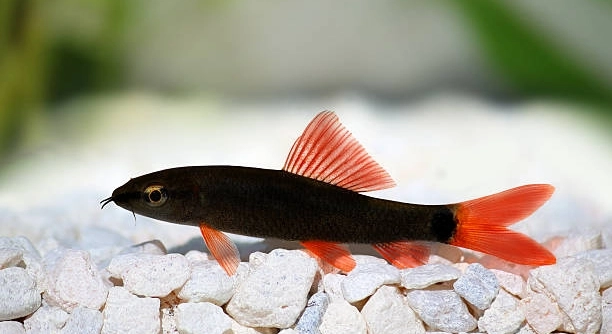
Rainbow sharks are popular aquarium fish, known for their bright colors and active nature. Many owners want to keep their tanks clean and safe for these fish. Water pollution can harm rainbow sharks and affect their health in subtle ways.
Preventing water pollution for rainbow sharks involves regular water changes, avoiding overfeeding, using proper filtration, monitoring water parameters, removing waste promptly, avoiding harmful chemicals, and choosing safe tank mates. These steps help maintain a healthy environment for the fish.
Following these simple steps can keep your rainbow sharks thriving and your aquarium looking its best. Understanding how to protect their water quality benefits both you and your fish.
Regular Water Changes Are Essential
Changing the water regularly is one of the best ways to keep your rainbow shark’s environment clean. Over time, waste and uneaten food build up, releasing harmful toxins like ammonia and nitrites. These chemicals can stress your fish and even lead to illness. Doing partial water changes weekly helps remove these toxins and keeps the water fresh. Use a siphon to clean the substrate and remove debris as well. When adding new water, make sure it is treated to remove chlorine and chloramine, which can be harmful to fish. Keeping the water quality stable through regular changes creates a healthier habitat where rainbow sharks can thrive and display their bright colors. It may seem like extra work, but the benefits for your fish’s health are well worth the effort.
Regular water changes are simple but crucial. They prevent the build-up of harmful substances that affect fish health.
Keeping your aquarium clean by changing 20-30% of the water weekly helps maintain good oxygen levels and reduces toxins. This practice lowers stress and supports your rainbow sharks’ natural behavior. Over time, regular changes also prevent algae growth and keep the tank looking clear and inviting. If you have a busy schedule, setting reminders or using automated water change systems can make the process easier. Consistency is key to avoiding sudden water quality shifts, which are more dangerous than gradual changes. When combined with proper filtration and feeding habits, regular water changes form the foundation of effective pollution prevention for your rainbow shark tank.
Avoid Overfeeding Your Rainbow Shark
Overfeeding leads to leftover food sinking and decomposing, polluting the water quickly. This waste adds harmful chemicals and encourages algae growth, which reduces oxygen in the tank. Feeding small amounts that your fish can eat within a few minutes prevents this problem.
Feeding only what your rainbow shark needs keeps the tank cleaner and your fish healthier.
It can be tempting to give your fish extra food as a treat, but it’s better to stick to a schedule. Observe your fish during feeding and adjust the amount if food is left behind. High-quality fish food that sinks slowly encourages natural foraging behavior without leaving excessive waste. Also, remove any uneaten food promptly to prevent decay. Balanced feeding supports your fish’s immune system and helps keep the water free of harmful pollutants. Proper feeding habits are a simple yet effective way to reduce water pollution and improve your aquarium’s overall health.
Use Proper Filtration
A good filter removes waste, toxins, and particles from the water, keeping it clean and safe for your rainbow shark. Choose a filter that matches your tank size and fish load to maintain balance.
Filters with mechanical, biological, and chemical stages work best. Mechanical filtration traps debris, biological filtration uses beneficial bacteria to break down harmful ammonia and nitrites, and chemical filtration removes impurities like chlorine. Regularly cleaning the filter media without using tap water keeps bacteria alive. Avoid over-cleaning, as this can disrupt the helpful bacteria colony. Proper filtration reduces the frequency of water changes needed and stabilizes water parameters. It creates a healthy environment, ensuring your rainbow shark remains active and healthy.
Keeping the filter in good condition is vital. Replace worn-out parts as needed and monitor water flow to avoid stagnation or overcurrent, which can stress your fish.
Monitor Water Parameters Regularly
Testing water parameters like pH, ammonia, nitrites, and nitrates helps detect issues early. Keeping these within safe ranges prevents health problems for your rainbow shark.
Use reliable test kits to check water conditions weekly. Rainbow sharks prefer slightly acidic to neutral pH (6.5 to 7.5) and zero ammonia or nitrites. Nitrate levels should stay below 20 ppm. Sudden changes can cause stress or disease. Track results to spot trends and adjust care routines accordingly. Consistent monitoring allows quick action before problems escalate, helping maintain stable water quality. When parameters drift, review feeding, cleaning, and filtration practices to correct issues. This attention protects your fish from pollution effects and supports their well-being in the tank.
Remove Waste Promptly
Removing fish waste and uneaten food quickly helps prevent toxins from building up in the tank. Use a gravel vacuum during water changes to clean the substrate.
A clean tank reduces stress on your rainbow shark and keeps water quality high. Regularly checking for debris and removing it stops pollution before it affects your fish’s health.
Avoid Harmful Chemicals
Avoid using soaps, detergents, or other household chemicals near the tank. These substances can enter the water and harm your rainbow shark.
Always use aquarium-safe products for cleaning equipment or treating water. Even small amounts of harmful chemicals can cause illness or death in fish. Be cautious when handling anything around the aquarium.
Choose Safe Tank Mates
Not all fish get along with rainbow sharks. Aggressive or messy species can increase pollution and stress your fish.
Select peaceful tank mates that have similar water needs and won’t compete for food or territory. This reduces waste and maintains a calmer environment.
How often should I change the water in my rainbow shark tank?
Changing 20-30% of the water once a week is a good practice for most rainbow shark tanks. This helps remove built-up toxins and keeps the environment fresh. If your tank is heavily stocked or has poor filtration, more frequent changes might be needed. Always use treated water that matches the tank’s temperature and pH to avoid stressing your fish.
What type of filter is best for preventing water pollution?
A filter that combines mechanical, biological, and chemical filtration works best. Mechanical filtration traps solid waste, biological filtration breaks down harmful chemicals with beneficial bacteria, and chemical filtration removes impurities. Choose a filter rated for your tank size, and avoid over-cleaning the filter media to preserve helpful bacteria colonies.
Can overfeeding really harm my rainbow shark?
Yes, overfeeding causes leftover food to decay, releasing ammonia and other toxins into the water. This pollutes the tank and can lead to illness. Feeding small portions that your fish can eat in 2-3 minutes is ideal. Remove uneaten food promptly to prevent it from decomposing.
How do I test my tank’s water quality?
Use aquarium water test kits to check pH, ammonia, nitrite, and nitrate levels. Testing weekly helps catch problems early. Rainbow sharks prefer a pH of 6.5 to 7.5, zero ammonia and nitrites, and nitrates below 20 ppm. Keeping these parameters stable is important for your fish’s health.
What should I do if my water parameters are off?
If ammonia or nitrites are detected, perform immediate partial water changes and check your filter for proper function. Reduce feeding temporarily to lower waste. Adjust water chemistry slowly to avoid shocking your fish. Investigate if overstocking or poor maintenance caused the problem and address those issues.
Are certain chemicals harmful to rainbow sharks?
Yes, household soaps, detergents, and cleaners can poison fish even in small amounts. Always use aquarium-safe products when cleaning the tank or treating water. Avoid using tap water treatments with harmful additives and handle all equipment carefully to prevent contamination.
How can I keep algae under control without harming my fish?
Regular water changes and avoiding excess nutrients from overfeeding help prevent algae growth. Introducing algae-eating tank mates that are compatible with rainbow sharks can also help. Avoid direct sunlight on the tank, as it encourages algae. Use chemical algae treatments only as a last resort and follow instructions carefully.
What are safe tank mates for rainbow sharks?
Peaceful, similarly sized fish with compatible water requirements are best. Avoid aggressive or territorial species that stress rainbow sharks or create excess waste. Good choices include some tetras, danios, or gouramis. Proper tank mate selection reduces pollution and keeps the aquarium peaceful.
How do I maintain the filter without harming beneficial bacteria?
Rinse filter media gently in tank water or dechlorinated water during maintenance. Avoid using tap water, which can kill helpful bacteria. Clean only a portion of the media at a time to preserve bacteria colonies. Replace worn filter parts as needed but do so gradually to avoid disrupting the filtration process.
Is it necessary to remove uneaten food immediately?
Yes, uneaten food decomposes and releases toxins that pollute the water. Removing it quickly keeps water quality high and reduces the risk of illness. Use a net or siphon to scoop out leftover food soon after feeding.
Can temperature changes affect water pollution levels?
Sudden temperature changes can stress fish and upset the biological filtration balance. Warm water holds less oxygen and speeds up waste decomposition, potentially increasing pollution. Maintain stable water temperature suited to rainbow sharks, typically between 74°F and 79°F (23°C to 26°C).
What signs indicate water pollution is affecting my rainbow shark?
Look for sluggish behavior, loss of color, gasping at the surface, or clamped fins. These signs often indicate poor water quality. Testing the water can confirm pollution. Taking prompt action with water changes and filtration maintenance improves fish health.
How can I prevent waste buildup in the substrate?
Regular vacuuming of the substrate during water changes removes uneaten food and fish waste. Avoid overstocking the tank to reduce waste production. Maintaining a balanced ecosystem with live plants can also help absorb excess nutrients and reduce waste buildup.
Does adding live plants help reduce pollution?
Yes, live plants absorb nitrates and other nutrients, improving water quality. They also provide oxygen and create a more natural environment for rainbow sharks. Choose hardy plants that tolerate similar water conditions, and care for them properly to maximize benefits.
Maintaining clean water in a rainbow shark tank is essential for the health and happiness of your fish. Pollution can quickly harm these beautiful creatures, so it’s important to take steps that prevent it from building up. Simple habits like regular water changes, careful feeding, and proper filtration create a stable environment where your rainbow shark can thrive. Paying attention to water quality helps avoid many common problems and keeps your fish active and colorful.
Keeping your aquarium clean does take time and effort, but it is worth it for the long-term wellbeing of your rainbow shark. Monitoring water parameters regularly allows you to catch issues early before they become serious. Removing waste and uneaten food promptly reduces harmful chemicals and keeps the water balanced. Also, choosing safe tank mates and avoiding chemicals that could pollute the water are important steps. When all these actions come together, they create a healthy and stress-free home for your fish.
In the end, a clean tank benefits both you and your rainbow shark. It improves the fish’s quality of life and makes your aquarium more enjoyable to watch. A healthy fish will show bright colors, swim actively, and behave naturally. By following good care habits, you can avoid many of the challenges that come with water pollution. Consistency in maintaining your tank’s water quality is the key to success, and it will reward you with a vibrant, thriving aquarium for years to come.

Hello,
If you enjoy the content that we create, please consider saying a "Thank You!" by leaving a tip.
Every little bit helps us continue crafting quality advice that supports the health, happiness, and well-being of pets around the world, for pets of all shapes, sizes, and species.
We really appreciate the kindness and support that you show us!