
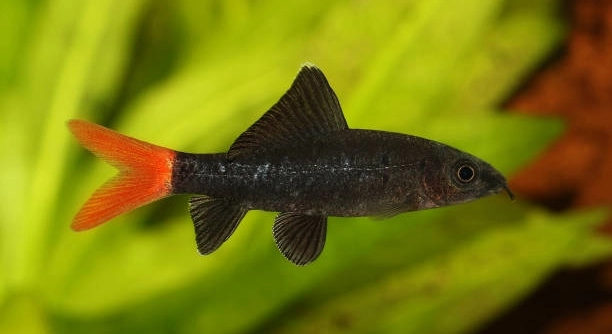
Rainbow sharks are popular aquarium fish known for their vibrant colors and active nature. Keeping them healthy is important for any fish enthusiast. Recognizing stress symptoms early helps maintain their well-being and prevents serious health problems.
Rainbow shark stress symptoms include changes in behavior, such as hiding or erratic swimming, physical signs like faded colors and damaged fins, and physiological responses such as rapid breathing. Identifying these symptoms promptly allows for timely intervention and improved fish care.
Knowing how to spot these signs can help you keep your rainbow shark happy and healthy for a long time. This article will guide you through simple ways to notice when your fish needs attention.
Changes in Swimming Patterns
When a rainbow shark is stressed, its swimming behavior often changes noticeably. You might see it darting around nervously or staying in one corner of the tank for long periods. Sometimes, it may swim near the surface or gasp for air, which can indicate poor water quality or oxygen levels. These fish usually prefer to swim steadily along the bottom or middle of the tank. Sudden bursts of speed or constant hiding can show that something is wrong. Stress can cause the shark to lose energy, making it less active and more prone to rest. Watching your fish closely for these changes can help you spot trouble early, before health problems become serious. Adjusting tank conditions or checking for aggression from other fish can often ease their stress. It’s important to provide a calm and stable environment to support their natural swimming habits.
Noticing unusual swimming patterns early helps you prevent worsening health issues in your rainbow shark.
Watching your fish’s movement is one of the easiest ways to monitor its health. Changes in swimming can signal many problems like illness, poor water quality, or bullying by tank mates. Keep the tank clean and stable to help your shark feel safe and swim naturally again.
Fading Colors and Physical Damage
Rainbow sharks are known for their bright, vibrant colors, which tend to fade when the fish is under stress. Dull or pale colors can signal that the fish is not feeling well or is living in poor water conditions. Stress might also cause damage to the fins, such as tears, fraying, or clamped fins that stay close to the body. These physical signs can be the result of fights with other fish or infections caused by stress. When you notice color fading or fin damage, it’s a clear sign that your rainbow shark needs attention. Maintaining clean water, providing hiding spots, and reducing tank aggression can help restore their health. Checking for signs of disease and treating them early improves recovery chances. Regular observation and care keep your fish looking healthy and colorful.
Taking care of your rainbow shark’s environment is key to preventing stress-related color and fin problems. Make sure the water is clean and parameters are stable, avoid overcrowding, and provide enough space for hiding and swimming freely. These steps help maintain their beautiful appearance.
Erratic Behavior
Erratic behavior in rainbow sharks includes sudden jerky movements or continuous pacing along tank walls. This can mean the fish is stressed from environmental changes or tank mates.
Such behavior often results from poor water quality, changes in temperature, or overcrowding. Rainbow sharks need stable conditions and enough space to swim calmly. If the tank is too small or overcrowded, they become anxious and act unpredictably. Sometimes, aggression from other fish can cause them to dart nervously or hide excessively. Observing these signs early lets you adjust tank conditions or separate aggressive fish to reduce stress.
Providing a calm environment with consistent water parameters and suitable companions helps minimize erratic behavior. Keep the tank clean and avoid sudden changes. A peaceful setting encourages your rainbow shark to swim naturally and stay healthy.
Loss of Appetite
Loss of appetite is a common stress symptom in rainbow sharks. When they stop eating or eat less, it signals something is wrong with their environment or health.
This symptom often appears when water quality deteriorates or the fish feels threatened. Stress can weaken their immune system, making it harder to digest food or enjoy meals. In some cases, illness or parasites cause appetite loss, so it’s important to check for other signs like lethargy or physical damage. Feeding high-quality food and maintaining clean water encourages better eating habits. Avoid overfeeding or sudden diet changes, as these can add stress.
Sometimes, reducing stress means adjusting tank conditions, lowering noise, or separating aggressive fish. Restoring appetite is crucial for your rainbow shark’s recovery and long-term health. Regular monitoring ensures they get the nutrition they need to thrive.
Rapid Breathing
Rapid breathing is a clear sign your rainbow shark is stressed. The fish may appear to be gasping at the water surface or breathing faster than usual.
This usually happens when oxygen levels in the tank are low or water quality is poor. It can also indicate illness or discomfort. Keeping water clean and well-aerated helps prevent this problem.
Hiding More Than Usual
When a rainbow shark hides excessively, it often means it feels unsafe or stressed. Hiding helps them avoid threats, but too much hiding reduces activity and health.
Excessive hiding can result from aggression by other fish or sudden changes in the tank environment. Providing hiding spots and peaceful tank mates helps reduce stress and encourage natural behavior.
Clamped Fins
Clamped fins occur when a fish holds its fins close to its body instead of spreading them out. This is a common stress indicator in rainbow sharks.
Clamped fins can be caused by poor water quality, illness, or aggression. Regular tank maintenance and careful monitoring can help prevent this symptom.
FAQ
How can I improve water quality to reduce stress in my rainbow shark?
Keeping water clean is essential for your rainbow shark’s health. Regular water changes, about 20-30% weekly, help remove harmful waste. Use a good filter and test water parameters often to check ammonia, nitrite, nitrate, and pH levels. Make sure the water temperature stays between 72°F and 79°F (22°C to 26°C). Avoid overfeeding, as leftover food can pollute the tank. Clean the substrate and decorations regularly to prevent buildup of debris. Stable water conditions reduce stress and keep your fish comfortable.
Why is my rainbow shark hiding so much?
Hiding is a natural behavior, but too much hiding shows stress. This can happen if the tank is overcrowded or if there are aggressive fish nearby. Sudden changes in lighting or water temperature also cause hiding. Make sure your tank has enough hiding spots like plants or caves. Reducing noise and disturbances near the tank helps, too. Sometimes, illness causes hiding, so check for other signs like color changes or loss of appetite.
What should I do if my rainbow shark shows faded colors?
Faded colors often signal stress or poor water quality. First, check water parameters and clean the tank if needed. Ensure your fish is eating well with a balanced diet. Avoid overcrowding and aggressive tank mates that might cause stress. If the fading continues, look for signs of disease and consider consulting a vet or aquatic specialist. Proper care usually helps the colors return.
Can stress cause health problems in rainbow sharks?
Yes, stress weakens the immune system and makes your rainbow shark more vulnerable to diseases like fin rot, fungal infections, or parasites. Prolonged stress can lead to serious health issues and even death. Keeping a stable environment, good water quality, and peaceful tank mates helps prevent stress-related illnesses.
How do I know if my rainbow shark is aggressive or stressed from other fish?
Aggression from other fish can cause your rainbow shark to hide, swim erratically, or show damaged fins. Observe interactions closely, especially after introducing new fish. If the shark is constantly chased or nipped, it’s likely stressed. Separating aggressive fish or increasing tank size can help. Adding plenty of plants and hiding spots also reduces aggression.
Is rapid breathing always a sign of stress?
Rapid breathing usually points to stress, poor water quality, or low oxygen levels. It can also indicate disease or parasites. Check water conditions first, and increase aeration if needed. If rapid breathing continues, look for other symptoms like clamped fins or lethargy and consider treatment options.
What foods help reduce stress in rainbow sharks?
A balanced diet with high-quality flakes, pellets, and occasional live or frozen foods like bloodworms or brine shrimp supports health. Feeding small amounts two to three times a day prevents overfeeding and water pollution. Proper nutrition strengthens the immune system and helps your fish cope with stress better.
How long does it take for a stressed rainbow shark to recover?
Recovery time varies depending on the cause and severity of stress. With proper care—clean water, good food, and a calm environment—some fish may improve within a few days. More severe cases might take weeks. Patience and consistent tank maintenance are important for full recovery.
Can overcrowding cause stress in rainbow sharks?
Overcrowding is a common stress factor. Too many fish reduce swimming space and increase waste, lowering water quality. This leads to aggression and hiding. Keep your tank size appropriate for the number of fish and consider tank mates that are compatible and calm. Proper stocking levels keep your rainbow shark comfortable.
What are the signs of illness related to stress in rainbow sharks?
Signs include faded colors, clamped fins, lethargy, loss of appetite, rapid breathing, and unusual swimming patterns. Physical symptoms like white spots, torn fins, or swollen areas may also appear. Stress lowers resistance, making illnesses more likely. Early detection and treatment are crucial to help your fish recover.
Final Thoughts
Taking care of a rainbow shark means paying close attention to its behavior and appearance. Stress can affect these fish in many ways, from changes in swimming to faded colors and loss of appetite. Spotting these signs early is important because stress weakens their health and can lead to illness. Simple daily checks, like watching how your fish moves or if it is eating well, help you notice problems before they get worse. Making small adjustments, like cleaning the tank regularly or giving the fish more space, can reduce stress and improve its well-being.
Water quality plays a key role in keeping rainbow sharks healthy. These fish need clean water with stable temperature and proper oxygen levels. When water conditions are poor, stress signs quickly appear. Keeping up with regular water changes and monitoring water parameters makes a big difference. It also helps to avoid overcrowding the tank and choosing compatible fish that don’t cause aggression. Providing hiding places and a calm environment supports the shark’s natural behavior and reduces stress further. Consistency in care and attention to the tank environment keeps your rainbow shark happier and more vibrant.
Stress is a common challenge for rainbow shark owners, but it can be managed well with patience and proper care. Knowing the easy ways to spot stress symptoms lets you act quickly and protect your fish’s health. Keeping the tank clean, feeding good food, and maintaining a peaceful environment are simple but effective steps. When you notice signs like rapid breathing, erratic swimming, or faded colors, it is a signal to check the tank and make changes. Taking these small but important actions helps ensure your rainbow shark thrives and lives a long, healthy life.

Hello,
If you enjoy the content that we create, please consider saying a "Thank You!" by leaving a tip.
Every little bit helps us continue crafting quality advice that supports the health, happiness, and well-being of pets around the world, for pets of all shapes, sizes, and species.
We really appreciate the kindness and support that you show us!