
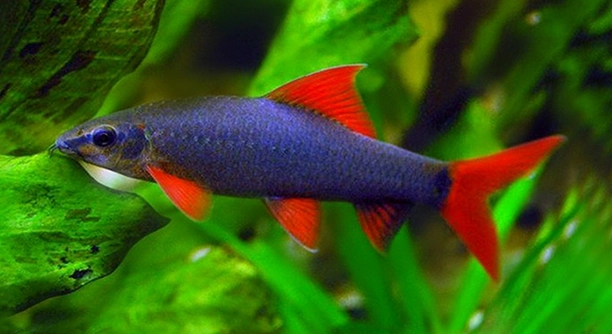
Rainbow sharks are popular freshwater fish known for their bright colors and active nature. They add beauty and life to home aquariums. However, sometimes they stop eating, which can worry their owners.
When a rainbow shark isn’t eating properly, it often signals stress, illness, or poor water conditions. Immediate steps involve checking water quality, ensuring proper diet, and observing behavior closely to identify the root cause and improve the fish’s health.
Knowing how to respond when your fish refuses food can prevent serious problems. The following tips will help you support your rainbow shark’s well-being and encourage healthy eating habits.
Check Water Quality and Parameters
Water quality is one of the most important factors affecting a rainbow shark’s appetite. Poor water conditions can cause stress or illness, leading to loss of appetite. Make sure the water temperature is between 75 and 80 degrees Fahrenheit. The pH should be around 6.5 to 7.5. Ammonia, nitrite, and nitrate levels must be kept very low or at zero. Use a reliable water test kit to check these parameters regularly. Perform partial water changes of 20-30% weekly to keep the tank clean and healthy. Avoid sudden changes in temperature or pH, as these can shock the fish and reduce feeding interest. Filtration should be strong enough to maintain water clarity but gentle enough not to disturb the fish.
Maintaining stable water conditions creates a comfortable environment that encourages your rainbow shark to eat normally.
Keeping an eye on water quality allows you to spot issues early. Poor water quality can cause disease or stress that keeps your fish from eating. Regular testing and consistent water changes are the best way to support your fish’s health and appetite.
Observe Behavior and Health Signs
A rainbow shark that isn’t eating might be showing signs of illness or stress. Look for changes in swimming patterns, hiding more than usual, or visible signs of injury or disease like spots, redness, or clamped fins. Stress can come from aggressive tank mates or overcrowding. Ensure your fish has enough space and peaceful companions. Sometimes, your fish might be adjusting to a new tank or recovering from a recent illness, which can reduce appetite temporarily. If you notice signs of disease, it’s important to isolate the fish and treat it promptly to avoid spreading illness to others. Healthy rainbow sharks are active, curious, and will eagerly eat when food is offered.
Recognizing early signs of stress or illness can help prevent serious health problems.
Pay close attention to your fish’s behavior daily. Acting quickly when you see warning signs can improve recovery chances and restore regular eating habits. Regular observation is key to keeping your rainbow shark healthy and happy.
Adjust Feeding Routine
Consistency matters when feeding a rainbow shark. Feed small amounts once or twice a day instead of large portions. Overfeeding can lead to poor water quality and health issues. Remove uneaten food after a few minutes to prevent decay and water pollution.
Offering food at the same time daily helps the fish develop a feeding schedule. If your rainbow shark isn’t eating, try changing the feeding time to early morning or late evening when they are most active. You can also try hand-feeding to encourage interest. Avoid sudden diet changes, as this may cause stress and refusal to eat.
If your fish still refuses food, try a variety of options like sinking pellets, live or frozen foods such as bloodworms or brine shrimp. This can help stimulate appetite by providing different textures and tastes. A varied diet supports overall health and keeps your rainbow shark engaged during feeding times.
Improve Tank Environment
A calm and suitable tank environment encourages feeding behavior. Avoid sudden loud noises or movements around the tank that may stress the fish. Proper hiding spots like plants or decorations help your rainbow shark feel safe and secure.
Bright lighting or a poorly arranged tank can make fish shy away from food. Adjust lighting to mimic natural day and night cycles. Make sure the tank size is adequate—at least 30 gallons for one rainbow shark—to give enough swimming space. Keep tank mates peaceful to reduce competition or bullying.
A stable environment promotes normal feeding habits and reduces stress-related appetite loss. Keeping conditions comfortable will help your rainbow shark feel confident enough to eat regularly. Regular maintenance, such as cleaning and checking equipment, supports a healthy habitat where your fish can thrive.
Check for Tank Mates
Aggressive or overly active tank mates can intimidate a rainbow shark, causing it to stop eating. Ensure your fish shares the tank with compatible species that do not compete aggressively for food or territory.
Choosing peaceful, similarly sized fish helps reduce stress and encourages normal feeding behavior. Avoid overcrowding to give your rainbow shark enough space to eat comfortably.
Provide High-Quality Food
Offering nutritious, high-quality food supports your rainbow shark’s health and appetite. Choose pellets or flakes designed specifically for omnivorous freshwater fish. Supplement with live or frozen foods like bloodworms or brine shrimp for variety.
Good nutrition strengthens the immune system and encourages a steady appetite. Avoid expired or low-quality food that may deter feeding and harm your fish over time.
Gradually Reintroduce Feeding
After stress or illness, reintroduce feeding slowly. Start with small amounts and increase gradually as your rainbow shark shows interest. This helps avoid overwhelming the fish and supports recovery.
FAQ
Why isn’t my rainbow shark eating but still swimming around?
Sometimes, a rainbow shark may be active yet refuse food due to mild stress or environmental changes. This behavior often means the fish is not feeling comfortable with water quality, tank mates, or feeding times. Keep monitoring water parameters and adjust feeding routines to encourage eating.
How long can a rainbow shark go without eating before it’s dangerous?
Rainbow sharks can survive several days without food, but more than a week without eating may lead to serious health issues. If your fish refuses food for over three days, consider testing water quality and checking for illness.
Can sudden changes in the tank cause loss of appetite?
Yes, sudden changes like water temperature shifts, new tank mates, or rearranged decorations can stress your rainbow shark. Stress usually leads to reduced appetite. Maintain stable conditions and introduce changes gradually.
What types of food should I offer if my rainbow shark isn’t eating?
Try a variety of foods such as sinking pellets, bloodworms, brine shrimp, or chopped vegetables like zucchini. Sometimes, offering live or frozen food can stimulate appetite better than dry food alone.
How often should I feed my rainbow shark?
Feeding once or twice a day with small portions is best. Overfeeding can pollute water and harm your fish. Remove uneaten food after five minutes to keep the tank clean.
Could illness be causing my rainbow shark to stop eating?
Yes, illness is a common cause of loss of appetite. Look for signs like spots, discoloration, clamped fins, or unusual swimming. If you suspect disease, isolate the fish and treat it accordingly.
Is water temperature important for feeding behavior?
Definitely. Rainbow sharks prefer temperatures between 75 and 80°F. Temperatures outside this range can slow metabolism and reduce appetite.
Can tank size affect my rainbow shark’s eating habits?
Yes. Rainbow sharks need space to swim freely. Tanks smaller than 30 gallons can cause stress and aggression, which may reduce feeding.
How can I reduce stress to improve feeding?
Provide hiding spots, keep peaceful tank mates, maintain stable water conditions, and avoid sudden changes. A calm environment helps your fish feel secure and eat well.
What should I do if my rainbow shark still refuses to eat?
If your fish doesn’t eat after checking water, diet, and stress factors, consider consulting a vet or aquatic specialist. Early treatment improves recovery chances.
Can overfeeding cause a rainbow shark to stop eating?
Yes. Overfeeding leads to poor water quality, which stresses fish and reduces appetite. Feed small amounts and remove leftovers.
How do I introduce new food to a picky eater?
Introduce new food slowly by mixing it with familiar food. Gradual changes help your fish adjust without stress.
Is fasting ever recommended for rainbow sharks?
Occasional fasting for one day can help clear the digestive system but should not be extended. Always monitor your fish’s condition.
What role does lighting play in feeding?
Proper lighting simulates natural day and night cycles, which encourages normal feeding behavior. Avoid overly bright or constant light.
Can tank decorations affect appetite?
Yes. Providing plants and hiding spots reduces stress and encourages feeding by creating a secure environment.
How can I tell if my rainbow shark is stressed?
Signs include hiding, erratic swimming, loss of color, or refusal to eat. Addressing stress quickly helps restore appetite and health.
Should I quarantine new fish before adding them to the tank?
Quarantining new fish helps prevent diseases that can stress your rainbow shark and reduce its appetite.
How important is water filtration for appetite?
Good filtration maintains clean water and stable conditions, essential for a healthy appetite.
What is the best way to monitor my fish’s eating habits?
Feed at regular times, observe eating behavior closely, and note any changes in appetite or activity. Early detection of issues is key.
Can a rainbow shark get bored and stop eating?
Variety in food and tank environment can prevent boredom. Offering different foods and changing decor occasionally keeps your fish interested.
This FAQ covers common concerns related to rainbow sharks not eating properly. Addressing these points can help restore your fish’s health and appetite effectively.
Taking care of a rainbow shark that isn’t eating properly can feel challenging. It is important to stay calm and focus on the basics first. Check the water quality regularly and keep the tank clean. Stable water conditions help your fish feel safe and healthy. Make sure the temperature and pH levels are within the right range. If these are not right, it can cause stress and reduce appetite. Feeding your fish the right type and amount of food is just as important. Overfeeding or underfeeding can both lead to problems. Small, consistent meals work best to encourage eating.
Observing your rainbow shark’s behavior is also very helpful. Changes in swimming, hiding, or physical appearance can show signs of stress or illness. If your fish shows these signs, try to find the cause quickly. It might be an illness, poor water conditions, or trouble with other fish in the tank. Providing hiding places and keeping peaceful tank mates can reduce stress and help your fish feel more comfortable. If you notice illness, isolating the fish and using proper treatments can improve recovery. Sometimes, offering different foods like live or frozen options can encourage a fish to start eating again.
Overall, keeping a rainbow shark healthy and eating well takes attention and care. Making sure the environment is stable, feeding routines are consistent, and watching for signs of stress or illness are key steps. When your fish is not eating, act quickly but calmly. Small changes and careful observation often make a big difference. With patience and the right approach, most appetite problems can be solved, helping your rainbow shark stay active and healthy in its home.

Hello,
If you enjoy the content that we create, please consider saying a "Thank You!" by leaving a tip.
Every little bit helps us continue crafting quality advice that supports the health, happiness, and well-being of pets around the world, for pets of all shapes, sizes, and species.
We really appreciate the kindness and support that you show us!