
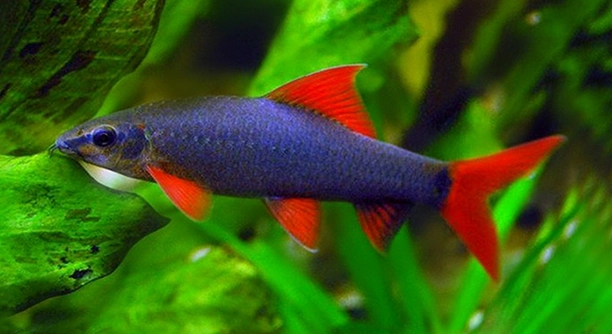
Are your rainbow sharks staying still and not swimming around their tank like usual? This can be a frustrating problem for any fish owner who cares about their pet’s health and happiness. Many factors can cause a rainbow shark to become inactive or sluggish in the aquarium.
A rainbow shark that refuses to swim is often responding to poor water quality, incorrect tank conditions, stress from overcrowding, or illness. Addressing these factors with proper care and environment adjustments can restore normal activity levels in the fish.
Knowing what affects your rainbow shark’s behavior can help you fix the issue quickly. The following tips will guide you through practical steps to encourage your fish to swim again.
Check the Water Quality First
Water quality is the most important factor when your rainbow shark won’t swim. Poor water conditions can make your fish feel stressed and sick. Test the water regularly for ammonia, nitrite, nitrate, and pH levels. High ammonia or nitrite levels can harm your fish quickly. Make sure the pH stays between 6.5 and 7.5, which is best for rainbow sharks. Changing the water often helps keep the tank clean and safe. Avoid sudden changes in water temperature or chemistry because this can shock the fish. Proper filtration is also key to removing waste and keeping the water clear. A clean, stable environment will encourage your rainbow shark to swim and explore again.
Keeping water clean takes regular effort but greatly improves fish health.
Taking time each week to check and adjust water conditions prevents many common problems. It also helps you catch issues early, so your rainbow shark stays active and healthy.
Provide Enough Space and Hiding Spots
Rainbow sharks need enough room to swim freely without feeling trapped. A tank that is too small or overcrowded makes them stressed and less likely to move around. At least 30 gallons is recommended for one rainbow shark. Adding decorations like plants, caves, or rocks gives your fish places to hide and feel safe. These spots reduce stress by letting the fish retreat when they want to rest or avoid others. Make sure hiding places don’t block too much swimming space. Balancing open areas with shelters creates a comfortable environment. A well-set tank encourages natural behavior and helps the rainbow shark regain confidence to swim actively.
Monitor the Tank Temperature
Rainbow sharks prefer stable water temperatures between 74°F and 79°F. If the water gets too cold or too warm, they may become inactive or hide. Use a reliable aquarium heater and thermometer to keep the temperature steady. Sudden shifts can stress your fish, causing them to stop swimming.
Keeping the temperature within the right range supports healthy metabolism and activity. Avoid placing the tank near windows or vents where temperatures fluctuate often. If the temperature drops, the rainbow shark’s energy slows down, making it less likely to swim. On the other hand, water that’s too warm reduces oxygen levels, which also impacts activity. Consistent warmth helps your fish feel comfortable and encourages movement throughout the tank.
Adjust the heater settings gradually to prevent shocks. Regularly check the thermometer to ensure accuracy. Small adjustments make a big difference in your rainbow shark’s behavior and overall health.
Watch for Signs of Illness
If your rainbow shark stops swimming, illness might be a factor. Look for signs like faded color, clamped fins, or labored breathing. These symptoms often indicate infections or parasites. Early detection can save your fish. Quarantine any new fish before adding them to the tank to prevent disease spread.
Treating illness usually involves improving water quality, adding medication, or isolating the sick fish. Follow treatment instructions carefully and keep the tank clean during recovery. Healthy fish are more active and swim freely. Keep an eye on your rainbow shark’s behavior daily, especially after adding new fish or changing the tank setup. Early action helps avoid serious health problems and encourages your fish to regain normal swimming habits.
Feed a Balanced Diet
A poor diet can cause your rainbow shark to lose energy and stop swimming. Feed high-quality pellets designed for bottom feeders. Include occasional live or frozen foods for variety and nutrition.
Avoid overfeeding, as leftover food pollutes the tank and stresses your fish. Feed small amounts once or twice daily.
Reduce Stress in the Tank
Stress makes rainbow sharks hide and stay still. Avoid sudden loud noises or tapping on the glass. Keep tank mates peaceful and compatible to prevent bullying.
A calm environment encourages your fish to swim confidently and stay healthy.
Keep the Tank Clean
Regular cleaning prevents harmful waste buildup. Change 20-30% of the water weekly and remove uneaten food and debris. A clean tank supports your rainbow shark’s health and activity.
Observe Social Behavior
Rainbow sharks can be territorial. Watch for signs of aggression from tank mates or from the rainbow shark itself. Separating aggressive fish helps reduce stress and improves swimming behavior.
FAQ
Why is my rainbow shark not swimming and just hiding?
Rainbow sharks often hide when they feel stressed or unsafe. Poor water quality, wrong tank temperature, or aggressive tank mates can make them seek shelter. Hiding helps them avoid harm, but if it lasts long, it may mean the fish is unwell or unhappy with its environment.
How can I improve my rainbow shark’s swimming activity?
Start by testing and maintaining clean water with proper filtration. Keep the temperature steady between 74°F and 79°F. Provide enough space and hiding spots to reduce stress. Feed a balanced diet and avoid overcrowding. Regular monitoring helps spot problems early so you can fix them quickly.
Can water quality cause a rainbow shark to stop swimming?
Yes, poor water quality is one of the top reasons for inactivity. Ammonia, nitrite, and nitrate buildup are toxic and stress fish. Regular water changes and testing keep these chemicals in safe ranges. Clean water supports healthy gills and normal swimming behavior.
How do I know if my rainbow shark is sick?
Look for changes like faded color, clamped fins, lethargy, or labored breathing. Loss of appetite and unusual swimming patterns are also signs. Illness can cause your fish to stay still or hide more often. Early treatment improves recovery chances.
What tank size is best for a rainbow shark to swim comfortably?
A minimum of 30 gallons is recommended for one rainbow shark. They need enough space to swim actively and avoid stress. Larger tanks are better if you plan to keep more fish. Overcrowding leads to aggression and inactivity.
Is it normal for rainbow sharks to be inactive sometimes?
Yes, rainbow sharks may rest or stay still during certain times, like nighttime or after feeding. However, long periods of inactivity or hiding suggest something is wrong, such as poor water conditions or illness. Regular observation helps tell the difference.
How often should I change the water to keep my rainbow shark healthy?
Changing 20-30% of the water weekly is ideal. This removes toxins and keeps the environment stable. Avoid changing too much water at once, which can stress the fish. Consistent maintenance is key to keeping your rainbow shark active.
Can tank mates affect my rainbow shark’s swimming?
Yes, aggressive or overly active tank mates can stress rainbow sharks, causing them to hide or stop swimming. Choose peaceful fish that share similar water needs. Watch for bullying behavior and separate fish if needed to reduce stress.
What should I feed a rainbow shark to keep it healthy and active?
Feed high-quality sinking pellets designed for bottom feeders. Supplement with live or frozen foods like bloodworms or brine shrimp. Avoid overfeeding to prevent water pollution. A varied diet keeps your fish energetic and encourages swimming.
How important is tank decoration for a rainbow shark’s behavior?
Tank decorations like plants, caves, and rocks give rainbow sharks places to hide and feel safe. This reduces stress and encourages natural swimming behavior. Balance hiding spots with open swimming areas for a comfortable environment.
Can temperature changes cause my rainbow shark to stop swimming?
Yes, sudden or extreme temperature changes can shock your fish and reduce activity. Keep water temperature steady between 74°F and 79°F using a reliable heater and thermometer. Avoid placing the tank near drafts or direct sunlight.
What should I do if my rainbow shark is not swimming despite good water quality?
Check for signs of illness or stress from tank mates. Ensure proper diet and enough space. Consider quarantining new fish or treating for parasites if needed. Sometimes subtle issues like a broken filter or poor lighting can also affect behavior.
How long does it take for a rainbow shark to recover and swim normally after being stressed or sick?
Recovery time varies but usually takes a few days to a couple of weeks with proper care. Improving water quality, temperature, diet, and reducing stress helps speed up healing. Monitor your fish closely and adjust care as needed.
Can sudden changes in the tank cause my rainbow shark to stop swimming?
Yes, sudden changes in water chemistry, temperature, or tank setup can stress fish. Gradual changes are better to avoid shocking your rainbow shark. Always introduce new tank mates or decorations slowly to give the fish time to adjust.
Is it okay if my rainbow shark rests on the bottom of the tank sometimes?
Resting on the bottom is normal behavior, especially at night or after eating. However, if your fish stays at the bottom all day or looks weak, it may be a sign of health problems. Watch for other symptoms to decide if action is needed.
Final Thoughts
Taking care of a rainbow shark that won’t swim requires patience and attention. The first step is always to check the water quality and tank conditions. Clean water and a stable environment are the foundation of your fish’s health. Poor water can make your rainbow shark stressed or sick, causing it to hide or stay still. Testing the water regularly and doing partial water changes keeps the tank safe and comfortable. This simple routine often fixes many common problems and helps your fish feel better quickly.
Besides water quality, providing enough space and hiding places is very important. Rainbow sharks need room to swim freely, but they also need spots where they can rest and feel safe. Decorations like plants, caves, or rocks offer security and reduce stress. Overcrowded tanks or aggressive tank mates make rainbow sharks uncomfortable and less likely to swim. Watching how your fish interacts with other tank mates can help you understand if stress is a factor. Keeping the tank peaceful and balanced helps the fish regain confidence to explore and swim around again.
Lastly, feeding a balanced diet and maintaining proper tank temperature support your rainbow shark’s activity. Overfeeding or poor food lowers water quality and harms your fish. A diet made of quality pellets and occasional live or frozen foods gives your fish the energy to swim and stay healthy. Temperature changes can shock your fish and cause inactivity, so keeping the water between 74°F and 79°F is key. Watching your rainbow shark’s behavior every day allows you to catch problems early. With consistent care and attention, your rainbow shark can return to normal swimming and enjoy a healthy life in its tank.

Hello,
If you enjoy the content that we create, please consider saying a "Thank You!" by leaving a tip.
Every little bit helps us continue crafting quality advice that supports the health, happiness, and well-being of pets around the world, for pets of all shapes, sizes, and species.
We really appreciate the kindness and support that you show us!