
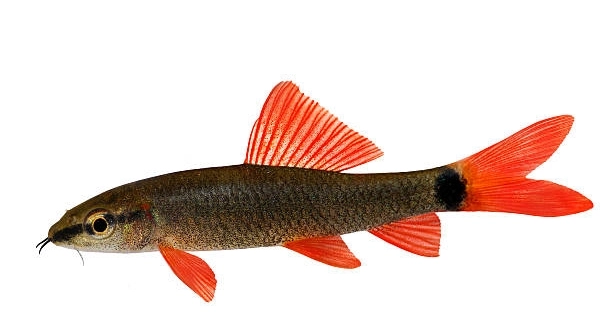
Rainbow sharks are popular freshwater fish known for their vibrant colors and active behavior. Many aquarium owners enjoy their unique appearance but often need guidance to keep them healthy and thriving in home tanks.
Maintaining rainbow shark health requires proper tank conditions, balanced nutrition, and regular monitoring. These fish need clean water, suitable tank mates, and adequate space to swim. Consistent care reduces stress and prevents common diseases that affect their well-being.
Understanding these basics helps ensure your rainbow shark lives a long and healthy life in your aquarium. Proper care is essential for their natural beauty and vitality.
Creating the Right Tank Environment
Setting up a proper tank environment is crucial for rainbow sharks to thrive. These fish need at least 30 gallons of water because they are active swimmers. The tank should have a tight-fitting lid, as rainbow sharks can jump. Use a good filtration system to keep the water clean and well-oxygenated. Maintaining a temperature between 72 and 79 degrees Fahrenheit supports their health. Adding hiding places such as rocks and plants helps reduce stress by giving them a safe space. Regular water changes, about 25% weekly, are necessary to keep nitrate levels low. Testing water parameters like pH (6.5 to 7.5) ensures the environment stays stable. Avoid overcrowding the tank to minimize aggression since rainbow sharks can be territorial. Keeping these factors balanced creates a healthy habitat where your fish can swim freely and stay comfortable.
Proper water quality and space are key to reducing stress and promoting natural behavior in rainbow sharks.
A stable and well-maintained tank environment supports the immune system of rainbow sharks, reducing their risk of illness. Providing enough swimming space allows them to be active, which is essential for their overall fitness. Creating hiding spots mimics their natural habitat, helping them feel secure and less stressed. Regular water testing and changes keep harmful substances low, which protects their sensitive skin and gills. Controlling temperature and pH within the recommended range helps maintain metabolic processes and reduces the chances of disease. Tank mates should be chosen carefully, avoiding aggressive fish that might provoke fights. By focusing on these details, the tank becomes a healthy space that supports long-term rainbow shark health and well-being.
Feeding Your Rainbow Shark
Rainbow sharks require a balanced diet that includes both protein and plant matter.
A varied diet supports growth and vibrant coloration in rainbow sharks. Commercial sinking pellets formulated for omnivorous fish provide essential nutrients. Supplement their diet with occasional treats like bloodworms or brine shrimp to add variety. Including some vegetable matter, such as blanched spinach or zucchini, helps meet their nutritional needs. Feeding small amounts twice a day prevents overfeeding, which can pollute the tank and harm your fish. Observing their eating habits ensures they are getting enough food without leftovers. Consistent feeding routines promote stable digestion and energy levels. Providing quality food encourages healthy activity and enhances their natural colors over time.
Monitoring Health and Behavior
Regular observation is essential to catch early signs of illness or stress. Look for changes in swimming patterns, appetite, or appearance.
Common signs of stress include clamped fins, lethargy, and loss of color. If your rainbow shark hides excessively or refuses food, it may be unwell. Keep a close eye on their behavior, especially after water changes or introducing new tank mates. Early detection allows for timely intervention, preventing minor issues from becoming serious health problems. Monitoring water quality and maintaining a stable environment also support their overall well-being and reduce the risk of disease.
Taking notes on any changes helps track your fish’s health over time. This habit makes it easier to share details with a vet or aquarium specialist if needed.
Choosing Compatible Tank Mates
Rainbow sharks can be territorial, so selecting peaceful tank mates is important for a balanced aquarium. Avoid aggressive or very small fish.
Ideal tank mates include larger tetras, barbs, and peaceful bottom dwellers like Corydoras catfish. These species usually coexist without causing stress or competition for food. Avoid overcrowding to reduce territorial disputes. Providing plenty of hiding spaces and plants helps minimize aggression by giving fish room to retreat. Introducing new fish gradually allows your rainbow shark to adjust and accept them. Choosing compatible species ensures a harmonious environment that supports the health of all aquarium inhabitants.
Maintaining Clean Water
Regular water changes are essential for rainbow shark health. Change about 25% of the water weekly to keep toxins low.
Using a water conditioner removes harmful chemicals from tap water. Testing water parameters like ammonia, nitrite, and nitrate helps maintain a safe environment.
Preventing Common Diseases
Diseases often result from poor water quality or stress. Keeping the tank clean and stable prevents infections such as ich or fin rot.
Quarantining new fish before adding them reduces the risk of introducing illness. Treating diseases early increases chances of recovery and protects other tank inhabitants.
Providing Adequate Lighting
Moderate lighting supports natural behavior and coloration in rainbow sharks. Avoid overly bright or constant light exposure to reduce stress.
A light cycle of 8 to 10 hours daily mimics natural conditions, helping maintain their health and activity levels.
Handling Stress Factors
Stress weakens a rainbow shark’s immune system. Avoid sudden changes in water temperature or tank setup.
Providing hiding spots and minimizing loud noises helps keep them calm and healthy.
FAQ
How often should I feed my rainbow shark?
Feeding your rainbow shark twice a day in small amounts is ideal. Overfeeding can cause water pollution and health problems. Watch how much your fish eats in about two minutes and remove any uneaten food. Providing a balanced diet with both pellets and occasional treats ensures good nutrition.
What tank size is best for a rainbow shark?
A minimum of 30 gallons is recommended to give them enough swimming space. Larger tanks reduce territorial behavior and support their active nature. Crowded tanks can stress rainbow sharks and increase aggression, so more space helps keep them healthy and calm.
Can rainbow sharks live with other fish?
Yes, but choosing compatible tank mates is important. Avoid aggressive or very small fish that might be bullied. Peaceful species like barbs, tetras, and catfish generally do well with rainbow sharks. Provide hiding spots and enough space to reduce territorial disputes.
What water conditions do rainbow sharks need?
They prefer a pH between 6.5 and 7.5 and a temperature range of 72 to 79 degrees Fahrenheit. Regular water testing and changes maintain stable conditions. Clean, well-oxygenated water is key to preventing illness and stress.
How can I tell if my rainbow shark is sick?
Signs include clamped fins, lethargy, loss of appetite, and faded colors. They may hide more than usual or show unusual swimming patterns. Early detection allows you to act quickly with treatment or adjustments to tank care.
What should I do if my rainbow shark shows signs of disease?
First, check water quality and improve it if needed. Isolate the sick fish if possible to prevent spreading illness. Use appropriate medication based on symptoms and follow dosing instructions carefully. Keeping the tank clean and stress low helps recovery.
How important is hiding space in the tank?
Very important. Rainbow sharks can be territorial and need places to retreat. Rocks, plants, and decorations provide shelter and reduce stress. A well-structured tank helps your fish feel secure and behave naturally.
Do rainbow sharks need special lighting?
Moderate lighting is best. Too bright or constant light can cause stress. Aim for 8 to 10 hours of light daily to mimic natural cycles. Proper lighting supports their color and overall health.
Can rainbow sharks jump out of the tank?
Yes, they are known jumpers. A tight-fitting lid is necessary to keep them safe. Make sure the lid fits well with no gaps, especially if the tank is placed in a busy area where vibrations may cause jumping.
How often should I change the water?
Weekly water changes of about 25% are recommended. This helps remove waste and toxins that build up over time. Consistent water changes keep the environment stable and support your rainbow shark’s health.
Is it normal for rainbow sharks to be aggressive?
They can show territorial behavior, especially in smaller tanks. Aggression usually happens when space is limited or hiding spots are few. Proper tank size and peaceful tank mates help reduce fighting and stress.
What types of food are best for rainbow sharks?
High-quality sinking pellets designed for omnivorous fish work well. Supplement with occasional live or frozen foods like bloodworms or brine shrimp. Offering blanched vegetables adds variety and important nutrients to their diet.
Can I keep more than one rainbow shark together?
It’s possible but not always recommended unless the tank is very large. Multiple rainbow sharks may compete for territory and resources. If you keep more than one, provide plenty of space and hiding places to prevent conflicts.
How do I acclimate a new rainbow shark to my tank?
Float the bag in the tank water for about 15-20 minutes to match temperatures. Slowly add small amounts of tank water to the bag over 30 minutes before releasing the fish. This reduces stress and helps them adjust to new water conditions.
What should I do if my rainbow shark stops eating?
Loss of appetite can indicate stress or illness. Check water quality and tank conditions first. Look for signs of disease or bullying by other fish. If needed, isolate the fish and try offering varied foods to encourage eating.
Are there any common mistakes to avoid with rainbow sharks?
Overcrowding the tank, overfeeding, and poor water maintenance are common problems. Avoid mixing aggressive species with rainbow sharks. Also, failing to provide hiding places and proper tank size can lead to stress and health issues.
How long do rainbow sharks typically live?
With proper care, they can live 5 to 8 years in captivity. Good tank conditions, balanced diet, and regular monitoring all contribute to a longer, healthier life. Neglect or poor environment shortens their lifespan.
Final Thoughts
Taking care of rainbow sharks requires attention to several important factors. Providing a clean and well-maintained tank is the foundation of their health. Water quality plays a major role, so regular water changes and monitoring of water parameters are essential. Keeping the water temperature and pH within recommended ranges creates a stable environment where rainbow sharks can thrive. A properly sized tank with plenty of space reduces stress and aggressive behavior. Adding hiding places helps your fish feel secure and lessens tension caused by territorial instincts. By focusing on these basics, you give your rainbow shark the best chance for a long, healthy life.
Feeding is another key aspect of maintaining good health. Rainbow sharks need a balanced diet that includes both protein and plant matter. Using high-quality sinking pellets formulated for omnivorous fish covers most nutritional needs. Occasionally offering live or frozen foods adds variety and supports their natural feeding behavior. Including vegetables like blanched spinach or zucchini provides important nutrients and fiber. It’s important not to overfeed, as leftover food can pollute the water and lead to health issues. Feeding small portions twice daily ensures your fish receive proper nutrition without excess waste.
Finally, monitoring your rainbow shark regularly helps catch any problems early. Watch for changes in behavior, appetite, or appearance. Signs like lethargy, clamped fins, or fading colors may indicate stress or illness. Early detection allows for prompt treatment, which improves recovery chances. Choosing compatible tank mates and avoiding overcrowding helps reduce stress and aggression. Maintaining consistent care routines, including proper lighting and minimizing loud noises, supports their well-being. With patience and attention to these details, your rainbow shark can remain a vibrant and active part of your aquarium for many years.

Hello,
If you enjoy the content that we create, please consider saying a "Thank You!" by leaving a tip.
Every little bit helps us continue crafting quality advice that supports the health, happiness, and well-being of pets around the world, for pets of all shapes, sizes, and species.
We really appreciate the kindness and support that you show us!