
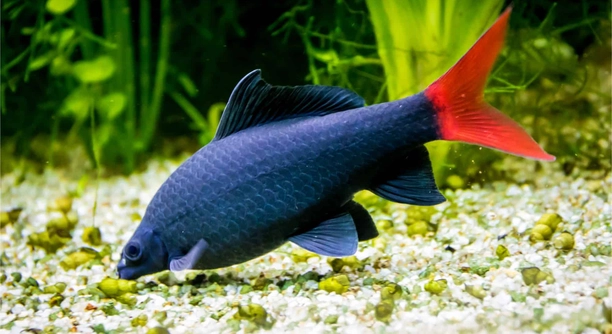
Rainbow sharks are popular freshwater fish known for their bright colors and active nature. They require a stable environment to stay healthy. When these fish show signs of illness, it can be worrying for their owners.
If your rainbow shark is sick, it is important to first check water quality, adjust feeding habits, and observe behavior closely. Maintaining proper tank conditions and addressing symptoms early can improve recovery chances significantly.
Knowing simple steps to help your rainbow shark feel better can make a big difference. This guide covers practical ways to support your fish’s health when problems arise.
Check Water Quality Immediately
Poor water quality is the most common reason rainbow sharks get sick. Test your tank water for ammonia, nitrites, nitrates, and pH levels using reliable test kits. Keep ammonia and nitrites at zero, nitrates below 20 ppm, and pH between 6.5 and 7.5. Changing water regularly, about 20-30% weekly, helps maintain these levels. Also, avoid overfeeding, as leftover food breaks down and harms water quality. Clean the filter and remove any decaying plants or debris. Keep the tank temperature steady around 75-79°F (24-26°C), since temperature swings stress fish and weaken their immune systems. Paying attention to these details can prevent many health problems before they start.
Poor water conditions can quickly harm a rainbow shark’s health. Fixing water issues is the first step to recovery.
A stable and clean environment is key to your rainbow shark’s health. After adjusting water quality, watch your fish for signs of improvement. If problems persist, continue testing and refining tank conditions. Small changes can make a big impact on their well-being.
Adjust Feeding Habits
Feeding too much or the wrong food affects your fish’s health.
Offer a balanced diet with sinking pellets, vegetables, and occasional protein treats. Feed small amounts once or twice daily to avoid leftover food. Uneaten food pollutes the tank and causes illness. Rotate foods to keep nutrition balanced and stimulate natural behavior. If your rainbow shark is sick, reduce feeding to prevent stress on its system.
Consistent feeding and proper diet help your fish recover faster. Avoid sudden changes and monitor how your rainbow shark responds to food. Good nutrition supports its immune system and energy levels during illness.
Observe Behavior Closely
Look for signs like lethargy, loss of appetite, or unusual swimming patterns. Early detection helps in taking quick action.
Behavior changes often signal health issues. A sick rainbow shark might hide more, lose its bright colors, or stay near the surface or bottom of the tank. Monitor these signs daily. Noticing subtle changes early can prevent serious problems and guide treatment decisions. Keeping a close eye on behavior is essential, especially after making changes to water or diet.
If you see strange behavior, try isolating the fish to reduce stress and prevent spreading illness. Keep notes of what you observe to track progress. Behavior monitoring is a simple but effective tool in maintaining your rainbow shark’s health.
Quarantine New or Sick Fish
Separating sick fish protects others from illness. Quarantine tanks help monitor symptoms and provide treatment safely.
A quarantine tank should have stable water conditions similar to the main tank. Use it to observe new fish before introducing them. For sick fish, a separate tank reduces stress and limits disease spread. This controlled space makes treatment easier and improves chances of recovery. Equipment used in the quarantine tank should not be shared with the main tank to avoid contamination. Quarantine tanks are a practical step in responsible fishkeeping. Maintaining proper hygiene and care in quarantine protects your whole aquarium community.
Maintain Proper Tank Temperature
Keep the tank temperature stable between 75°F and 79°F. Sudden changes can stress your rainbow shark and worsen its condition.
Use a reliable heater and thermometer to monitor the temperature. Avoid placing the tank near windows or vents where temperature fluctuates.
Use Medication Carefully
Only use medication designed for freshwater fish and follow the instructions closely. Overuse or incorrect use can harm your rainbow shark and other tank inhabitants. Always remove activated carbon from the filter during treatment, as it can absorb medicine.
Improve Oxygen Levels
Good oxygenation helps your fish recover faster. Use an air stone or increase water movement gently to raise oxygen levels without stressing your rainbow shark.
Avoid Overcrowding
Too many fish in one tank increase stress and disease risk. Keep your tank population balanced to promote a healthy environment for your rainbow shark.
FAQ
How can I tell if my rainbow shark is sick?
Look for changes in behavior like hiding more than usual, loss of appetite, or erratic swimming. Physical signs include faded colors, clamped fins, white spots, or redness. Also, watch for breathing difficulties or swelling. Early detection improves treatment success, so keep a close eye on your fish daily.
What is the best way to improve water quality quickly?
Perform a partial water change of about 20-30% to reduce harmful chemicals. Test the water for ammonia, nitrites, and nitrates, then adjust accordingly. Clean the filter if it’s clogged, but avoid washing it with tap water to preserve beneficial bacteria. Regular maintenance prevents many health issues.
How often should I feed my rainbow shark when it’s sick?
Reduce feeding frequency to once every other day to lessen stress and avoid polluting the tank. Offer small portions of high-quality sinking pellets or blanched vegetables. Avoid overfeeding, as uneaten food can harm water quality and worsen illness.
Can I treat my rainbow shark with home remedies?
Some basic steps like improving water quality and adjusting diet help, but serious illnesses usually need proper medication. Avoid unproven home remedies that might harm your fish. When in doubt, consult a vet or aquarium specialist for the best treatment options.
Is it necessary to quarantine a sick fish?
Yes, quarantining a sick fish helps prevent disease from spreading to healthy tank mates. It also allows you to provide targeted treatment in a controlled environment. Use separate equipment and maintain similar water conditions to reduce stress during quarantine.
What temperature is ideal for a rainbow shark’s recovery?
Keep the tank temperature stable between 75°F and 79°F (24°C to 26°C). Avoid sudden fluctuations, which can weaken the fish’s immune system. Using a reliable heater and thermometer helps maintain the right conditions.
How long does it usually take for a rainbow shark to recover?
Recovery time varies depending on the illness and treatment. Minor issues may improve in a few days, while severe infections can take weeks. Consistent care, clean water, and proper feeding speed up healing. Always monitor the fish closely and adjust care as needed.
What should I avoid when my rainbow shark is sick?
Avoid overcrowding the tank, overfeeding, and sudden changes in water parameters. Don’t use medications without proper diagnosis or ignore early signs of illness. Keeping the environment stable and stress-free is crucial during recovery.
Can stress cause illness in rainbow sharks?
Yes, stress weakens the immune system and makes fish more vulnerable to infections. Causes include poor water quality, sudden temperature changes, aggressive tank mates, or overcrowding. Minimizing stress helps keep your rainbow shark healthy.
Is it safe to mix medications if my fish shows multiple symptoms?
Mixing medications can be risky and might harm your fish. It’s better to treat one issue at a time or consult an expert for advice. Using the wrong medication can cause more damage than the illness itself.
How often should I clean the tank when my rainbow shark is sick?
Perform regular partial water changes every week and clean the substrate carefully to remove waste. Avoid complete tank cleaning during illness, as it can disrupt beneficial bacteria and increase stress. Maintaining cleanliness supports recovery.
Can poor diet lead to illness in rainbow sharks?
Yes, a lack of proper nutrients weakens the immune system and can cause health problems. Feeding a varied diet with quality pellets, vegetables, and occasional protein helps maintain strength and resilience against disease.
What are common diseases in rainbow sharks?
Common illnesses include ich (white spots), fin rot, fungal infections, and swim bladder disorders. Most are linked to poor water conditions or stress. Early detection and proper treatment improve outcomes.
When should I seek professional help for my sick rainbow shark?
If symptoms worsen despite home care or if you see severe signs like extreme lethargy, bloating, or constant gasping, consult a vet or aquarium specialist. Professional guidance ensures the best treatment and improves your fish’s chances.
How can I prevent my rainbow shark from getting sick again?
Maintain stable water quality, avoid overcrowding, feed a balanced diet, and quarantine new fish. Regular monitoring and tank maintenance reduce the risk of future illness. Prevention is easier than treatment.
Taking care of a sick rainbow shark can feel challenging, but with careful attention, you can help your fish recover. The key is to maintain good water quality, watch your fish’s behavior closely, and make small adjustments to feeding and tank conditions. Keeping the environment clean and stable reduces stress and gives your rainbow shark the best chance to heal. When you notice any signs of illness, acting quickly is important. The sooner you address the problem, the better the chances for your fish to bounce back.
Using the right tools and knowledge helps make caring for your rainbow shark easier. Regular water testing, proper feeding, and observing behavior are simple habits that prevent many health problems. If your fish does get sick, separating it in a quarantine tank and using appropriate medication can stop illness from spreading to others. It’s also helpful to avoid overcrowding and sudden changes in temperature, as these factors can make your fish more vulnerable. By creating a safe and stable space for your rainbow shark, you reduce risks and support its long-term well-being.
Remember that patience is important during recovery. Some illnesses take time to improve, and rushing treatment can sometimes cause more harm. Pay attention to changes in your fish’s condition and adjust care as needed. Keeping notes or photos can help track progress. If the illness doesn’t improve, seeking advice from an aquarium expert or veterinarian can provide more targeted solutions. Overall, consistent care and attention will help keep your rainbow shark healthy and happy for years to come.

Hello,
If you enjoy the content that we create, please consider saying a "Thank You!" by leaving a tip.
Every little bit helps us continue crafting quality advice that supports the health, happiness, and well-being of pets around the world, for pets of all shapes, sizes, and species.
We really appreciate the kindness and support that you show us!