
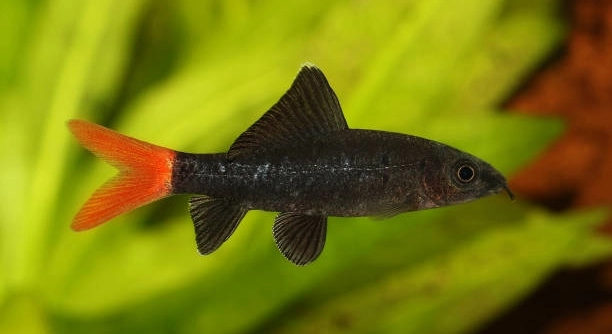
Rainbow sharks are popular aquarium fish known for their vibrant colors and peaceful nature. Many fishkeepers enjoy watching their unique swimming patterns and behaviors. Keeping them happy is important for a thriving aquarium environment.
A happy rainbow shark exhibits signs such as active swimming, healthy appetite, vibrant coloration, regular interaction with tank mates, smooth fins, clear eyes, and resting calmly in the tank. These indicators reflect the fish’s well-being and comfort in its habitat.
Recognizing these signs can help you maintain a healthy and lively rainbow shark. Proper care ensures your fish stays content and adds beauty to your tank.
Active Swimming and Exploration
Rainbow sharks that swim actively and explore their surroundings tend to be happier. When they glide smoothly through the tank, chase after food, or investigate plants and decorations, it shows they feel safe and comfortable. In a well-maintained aquarium, these fish avoid hiding all the time and prefer to move around regularly. If your rainbow shark is often resting at the bottom or staying still for long periods, it might be stressed or unwell. Observing their swimming patterns daily can give you clues about their mood and health. Changes in activity often signal the need to check water conditions or tank mates.
Active swimming is one of the clearest signs of a happy rainbow shark. It indicates good health and a suitable environment.
Providing enough space and hiding spots encourages natural behavior, making your fish more active and engaged.
Healthy Appetite and Eating Habits
A rainbow shark with a healthy appetite usually signals good well-being. These fish are generally eager to eat at feeding time and will accept a variety of foods, including pellets, flakes, and live or frozen options. If your fish shows little interest in food or refuses to eat, it may be a sign of illness or stress. It is important to feed them balanced meals at regular times to maintain their health. Avoid overfeeding, as this can pollute the water and cause digestive issues.
Healthy eating habits keep your rainbow shark strong and lively.
To encourage a good appetite, try offering different types of food and feeding in small amounts multiple times a day. This prevents leftover food and keeps the tank cleaner. Watching how your fish eats can also help you notice early signs of problems. For instance, slow or selective eating might mean the fish is uncomfortable with tank conditions or experiencing stress from other fish. Always keep the tank clean and water quality high to support good feeding behavior and overall health.
Vibrant Coloration
Bright and vivid colors show that your rainbow shark is healthy and happy. Dull or faded colors may signal stress or poor water conditions. Color changes can also indicate illness or lack of proper nutrition.
Maintaining stable water conditions and feeding a nutritious diet are key to keeping your rainbow shark’s colors vibrant. These fish display their best hues when they feel safe and comfortable. Stress from overcrowding or aggressive tank mates can dull their appearance. Regular water testing and proper tank maintenance help prevent problems that affect coloration. Additionally, offering foods rich in carotenoids and vitamins supports natural pigmentation and overall health.
Lighting also affects how colors appear. Using aquarium lights that mimic natural daylight can enhance the shark’s brightness. Avoid placing the tank in direct sunlight to prevent algae growth, which can cloud the water and hide the fish’s colors. Paying attention to these factors helps your rainbow shark look its best and signals its happiness.
Interaction with Tank Mates
Rainbow sharks are social but territorial. Peaceful interaction with compatible tank mates is a good sign. Aggressive behavior or hiding often indicates stress or discomfort.
Choosing the right companions is crucial. Ideal tank mates should be similar in size and temperament to avoid conflicts. Avoid overcrowding to reduce stress and territorial disputes. When rainbow sharks get along well with other fish, they often swim together and share space without aggression. Providing plenty of hiding spots helps them feel secure and less likely to fight. Monitoring their behavior daily can help you identify problems early and adjust tank conditions or fish groupings as needed. A harmonious community contributes to the shark’s well-being and happiness.
Smooth and Intact Fins
Healthy fins are a clear sign your rainbow shark is happy and well cared for. Torn, clamped, or frayed fins may indicate stress, poor water quality, or aggression from other fish.
Regular water changes and avoiding aggressive tank mates help maintain fin health. Smooth, fully spread fins show the fish feels secure and comfortable in its environment.
Clear Eyes
Clear eyes without cloudiness or swelling show your rainbow shark is healthy. Cloudy or bulging eyes may be a sign of illness or poor water conditions.
Good water quality and proper diet are essential to keeping the eyes clear. Checking eyes regularly helps detect health issues early before they worsen.
Calm Resting Behavior
Rainbow sharks that rest calmly on the bottom or near hiding spots during the day are usually content. Constant hiding or erratic movements might signal stress or discomfort.
FAQ
How often should I feed my rainbow shark?
Feeding your rainbow shark once or twice a day is usually enough. They don’t need a lot of food at once. Give small portions that they can finish within a few minutes to avoid leftover food polluting the water. A varied diet with pellets, flakes, and occasional live or frozen foods works best.
What water conditions are best for rainbow sharks?
Rainbow sharks prefer clean, well-oxygenated water with a temperature between 72°F and 79°F (22°C to 26°C). The pH should be around 6.5 to 7.5. Regular water changes and good filtration help keep ammonia, nitrites, and nitrates low, which is important for their health.
Can rainbow sharks live with other fish?
Yes, but it’s important to choose peaceful and similarly sized tank mates. Rainbow sharks can be territorial, especially as they grow. Avoid small or aggressive fish that might get bullied or cause stress. Providing hiding spots helps reduce conflicts.
Why is my rainbow shark hiding all the time?
Hiding can be a sign of stress, illness, or poor water quality. It may also happen if the tank is overcrowded or there are aggressive fish. Check water parameters, tank size, and tank mates to ensure a comfortable environment.
How can I tell if my rainbow shark is sick?
Signs of illness include loss of appetite, faded colors, torn fins, lethargy, and unusual swimming behavior. Cloudy eyes or spots on the body also indicate health problems. Early detection and treatment improve the chances of recovery.
What is the ideal tank size for a rainbow shark?
A minimum of 30 gallons is recommended for one rainbow shark. They need enough space to swim and establish territory. Larger tanks reduce stress and aggression and allow for more tank mates.
Do rainbow sharks need plants or decorations?
Yes, they appreciate places to hide and explore. Plants, rocks, and caves create a more natural environment. These decorations help reduce stress by providing shelter and break up sightlines to lessen territorial disputes.
How long do rainbow sharks typically live?
With proper care, rainbow sharks can live 5 to 8 years. Good water quality, a balanced diet, and a stress-free environment contribute to their longevity.
Is it normal for rainbow sharks to jump out of the tank?
Yes, they can jump when startled or stressed. Make sure your tank has a secure lid to prevent escapes and accidents. Keeping the environment stable helps reduce sudden movements that cause jumping.
What should I do if my rainbow shark shows aggressive behavior?
Aggression may be due to overcrowding, small tank size, or incompatible tank mates. Try rearranging decorations to break up territories or separate aggressive fish. Adding more hiding places can help calm them down. If aggression continues, consider rehoming some fish.
Final Thoughts
Taking care of a rainbow shark means paying close attention to its behavior and environment. These fish show happiness through simple signs like active swimming, eating well, and having bright colors. When these signs are present, it usually means the tank conditions are good, and the fish feels safe. Keeping the water clean, feeding a balanced diet, and providing enough space all play a role in your fish’s well-being. If you notice any changes in how your rainbow shark acts or looks, it’s important to check the tank and make adjustments quickly. This helps avoid serious health problems and keeps your fish happy for a long time.
It’s also important to remember that rainbow sharks need a calm and peaceful environment. They can be territorial, so choosing the right tank mates and giving enough hiding spots helps reduce stress. Overcrowding or aggressive fish can make your rainbow shark hide or become less active. Regular observation of your fish will let you see how well it interacts with others and if it feels comfortable in its home. A happy rainbow shark usually explores the tank confidently, eats eagerly, and rests calmly when it needs to. These simple signs make it easier to understand how your fish is doing without needing complicated tests or treatments.
Lastly, maintaining a stable and clean tank is the foundation of good care. Regular water changes and proper filtration keep harmful chemicals low, which supports your fish’s health. Feeding varied and nutritious food ensures your rainbow shark has the energy and nutrients to thrive. Lighting and decorations also matter, as they help the fish feel secure and show off their beautiful colors. By paying attention to these details, you create a welcoming home where your rainbow shark can live a full and happy life. Consistent care and watching for these small signs make a big difference in the health and happiness of your fish.

Hello,
If you enjoy the content that we create, please consider saying a "Thank You!" by leaving a tip.
Every little bit helps us continue crafting quality advice that supports the health, happiness, and well-being of pets around the world, for pets of all shapes, sizes, and species.
We really appreciate the kindness and support that you show us!