
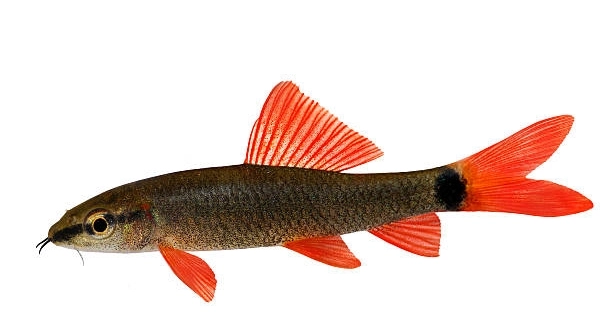
Rainbow sharks are popular aquarium fish known for their vibrant colors and active nature. Many aquarium enthusiasts consider adding them to their tanks for their unique appearance and behavior. However, owning a rainbow shark requires careful preparation and knowledge.
Before purchasing a rainbow shark, it is essential to consider factors such as tank size, water conditions, compatibility with other fish, diet, and their territorial behavior. Proper care ensures the fish’s health and prevents common issues in home aquariums.
Knowing these important details will help you create a suitable environment for your rainbow shark and enjoy its presence without unexpected problems.
Tank Size and Setup
Rainbow sharks need plenty of space to swim comfortably. A tank of at least 30 gallons is recommended for a single rainbow shark. They prefer a setup with hiding spots like plants, rocks, and decorations to feel secure. The tank should have a gentle water flow and proper filtration to maintain clean water. Keep in mind, overcrowding can stress them and cause aggressive behavior. The water temperature should stay between 72°F and 79°F, with a pH level around 6.5 to 7.5. Regular water changes are necessary to keep the environment healthy. Before buying, make sure your tank setup meets these requirements to help your rainbow shark thrive.
Keeping a well-maintained tank with appropriate size and setup supports the fish’s health and reduces stress-related problems.
Setting up a proper environment is the first step to successful care. It also helps prevent common diseases and ensures your rainbow shark shows its natural colors and behaviors.
Compatibility with Other Fish
Rainbow sharks can be territorial, especially with similar-shaped fish or those that share their space. They tend to defend their territory but can live peacefully with larger, more robust fish that occupy different tank levels. Avoid keeping them with slow-moving or long-finned species, as rainbow sharks may nip at their fins. Grouping multiple rainbow sharks in the same tank usually causes fights unless the tank is very large and has enough hiding places. Understanding the right tank mates and spacing helps create a balanced aquarium community where all fish coexist with minimal stress or injury.
Diet and Feeding
Rainbow sharks are omnivores that need a balanced diet. They eat flakes, pellets, and live or frozen foods like bloodworms or brine shrimp. Variety helps keep them healthy and vibrant.
Feeding should be done once or twice daily, offering only what the fish can consume in a few minutes. Overfeeding can pollute the tank and harm water quality. Including vegetable matter such as spirulina or blanched vegetables is also beneficial. A proper diet supports growth and reduces aggressive behavior caused by hunger.
It’s important to observe their eating habits. Sometimes rainbow sharks may compete for food or eat at different rates. Feeding in separate spots or using sinking pellets helps ensure all fish get their share without conflict.
Behavior and Temperament
Rainbow sharks are active and can be territorial, especially as they mature. They often patrol the bottom and middle levels of the tank, defending their space from other fish.
They usually show aggression toward similar species or smaller fish, but this varies by individual and environment. Providing enough room and hiding places helps reduce conflicts. Their activity makes them interesting to watch, but their temperament requires consideration when mixing species.
Regular observation is necessary to spot early signs of stress or injury from fights. Adjusting tank mates or rearranging decorations can improve harmony in the aquarium.
Water Quality
Maintaining clean water is crucial for rainbow sharks. Regular testing for ammonia, nitrites, and nitrates helps keep conditions safe.
Frequent water changes, about 20-30% weekly, prevent toxins from building up. Good filtration supports stable water quality, which reduces stress and illness.
Health Issues
Rainbow sharks can be prone to common fish diseases like ich and fin rot. Early detection and treatment are important to avoid serious health problems. Maintaining proper water conditions and diet helps keep them strong and resistant to illness.
Breeding Challenges
Breeding rainbow sharks in home aquariums is difficult. They need specific conditions and space to spawn successfully. Most owners focus on keeping them healthy as pets rather than breeding.
Final Tips
Observe your rainbow shark closely and adjust care as needed. Patience and attention improve their well-being and your enjoyment of their vibrant presence.
FAQ
How big do rainbow sharks grow?
Rainbow sharks typically grow up to 6 inches in length. Their size means they need a reasonably large tank with enough swimming space to stay healthy and active. Smaller tanks can stunt their growth and cause stress.
What tank size is best for a rainbow shark?
A minimum of 30 gallons is recommended for one rainbow shark. If you plan to keep more than one or mix them with other fish, a larger tank is necessary. They need space to establish territory and swim freely without constant stress.
Are rainbow sharks aggressive?
They can be territorial, especially with similar species or other bottom dwellers. Their aggression varies by individual and tank setup. Providing hiding spots and enough space helps reduce conflicts.
Can rainbow sharks live with other fish?
Yes, but choose tank mates carefully. Avoid slow or long-finned fish since rainbow sharks may nip at fins. Larger, peaceful fish that occupy different tank levels are usually better companions.
What do rainbow sharks eat?
They are omnivores and eat flakes, pellets, live and frozen foods, and some vegetable matter. A varied diet keeps them healthy and colorful. Feed them once or twice daily, offering only what they can eat quickly.
How often should I clean the tank?
Weekly water changes of about 20-30% are ideal. Maintaining clean water prevents diseases and keeps your rainbow shark healthy. Regular filtration checks and cleaning are also important.
Can rainbow sharks breed in home aquariums?
Breeding rainbow sharks at home is rare and difficult. They need specific conditions and a large space to spawn. Most owners focus on care rather than breeding.
What water temperature is best?
Rainbow sharks thrive between 72°F and 79°F. Keeping temperature stable within this range supports their health and activity.
How do I reduce aggression in my rainbow shark?
Providing plenty of hiding spots and space helps. Avoid overcrowding and choose compatible tank mates. Regular observation lets you catch signs of aggression early.
What signs show my rainbow shark is healthy?
Bright colors, active swimming, clear eyes, and good appetite are signs of health. Watch for any unusual behavior, clamped fins, or spots that could indicate illness.
What diseases affect rainbow sharks?
They are prone to common freshwater fish diseases like ich, fin rot, and bacterial infections. Clean water and good diet reduce risks. Early treatment is important to prevent serious problems.
How long do rainbow sharks live?
With proper care, they can live 5 to 8 years in captivity. A healthy environment and diet help ensure a long life.
Do rainbow sharks need special lighting?
Normal aquarium lighting is sufficient. Avoid very bright or direct light as they prefer dimmer areas with places to hide.
Is it okay to keep more than one rainbow shark together?
Multiple rainbow sharks often fight unless the tank is very large and has many hiding spots. It’s generally safer to keep only one unless you have experience and space.
How do I handle a sick rainbow shark?
Quarantine sick fish promptly and treat with appropriate medications. Maintain good water quality and avoid stress to speed recovery. Consult a specialist if unsure about symptoms or treatment.
Can rainbow sharks live alone?
Yes, they can thrive alone in a suitable tank. They do not require companions but need enough space and stimulation.
What substrate is best for their tank?
Soft sand or smooth gravel is recommended. Sharp or rough substrates can injure their delicate barbels and fins.
How often should I feed my rainbow shark?
Feeding once or twice daily is enough. Avoid overfeeding, which can pollute the tank and cause health issues.
Do rainbow sharks need hiding places?
Yes, they appreciate caves, plants, and decorations to retreat when stressed. Hiding spots reduce aggression and make them feel secure.
Can rainbow sharks jump out of the tank?
They can jump if startled or stressed. A secure tank lid is necessary to prevent accidents.
What pH level do rainbow sharks prefer?
A pH between 6.5 and 7.5 is ideal. Regularly test and adjust water to keep it stable within this range.
Rainbow sharks are beautiful and lively fish that can make a great addition to many home aquariums. Their bright colors and active swimming bring life to the tank. However, they do require careful attention to their environment and needs. Before deciding to buy one, it is important to understand the care involved to keep them healthy and happy. Proper tank size, water quality, diet, and suitable tank mates are all critical factors. Without these, rainbow sharks may become stressed, show aggression, or develop health problems.
Setting up the right tank environment for a rainbow shark is a key step. They need at least 30 gallons of water with good filtration and regular maintenance to ensure clean water. The temperature and pH should be kept stable within their preferred range. Providing hiding places like plants and decorations helps them feel secure and reduces territorial behavior. Compatibility with other fish also plays a big role. Rainbow sharks can be aggressive, so choosing peaceful tank mates that swim at different levels in the tank is necessary to avoid conflicts. Observing their behavior closely will help identify any issues early on.
Taking care of a rainbow shark requires commitment and patience, but it can be very rewarding. Watching them swim actively and display their vibrant colors adds enjoyment to the aquarium experience. Feeding them a balanced diet with a variety of foods supports their health and coloration. Regular tank cleaning and water testing prevent diseases. While breeding rainbow sharks at home is challenging, focusing on providing a stable and comfortable environment allows these fish to thrive for many years. By paying attention to these important details, owners can ensure their rainbow shark remains a healthy and lively part of their aquarium.

Hello,
If you enjoy the content that we create, please consider saying a "Thank You!" by leaving a tip.
Every little bit helps us continue crafting quality advice that supports the health, happiness, and well-being of pets around the world, for pets of all shapes, sizes, and species.
We really appreciate the kindness and support that you show us!