
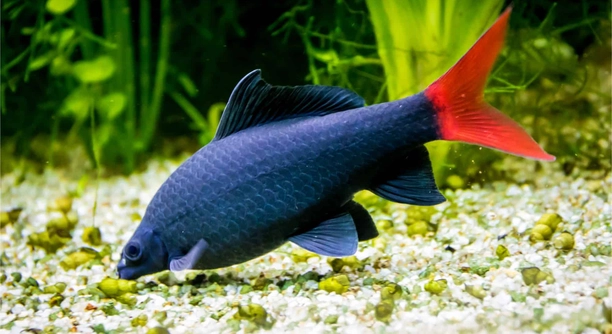
Are your rainbow sharks losing weight unexpectedly? Many fish owners notice this issue and want to understand the common reasons behind it. Rainbow sharks need proper care to stay healthy and vibrant in home aquariums.
Weight loss in rainbow sharks is commonly caused by poor water quality, inadequate diet, stress, illness, parasites, improper tank mates, and insufficient hiding spots. Addressing these factors can help restore their health and prevent further decline.
Knowing the causes of weight loss can improve your rainbow shark’s well-being and help you create a better environment for your aquatic pet. This article will guide you through practical solutions to keep them thriving.
Poor Water Quality
Poor water quality is one of the main reasons rainbow sharks lose weight. These fish are sensitive to high levels of ammonia, nitrites, and nitrates, which can build up quickly in tanks that are not properly maintained. Dirty water stresses the fish, weakens their immune system, and makes it harder for them to eat and digest food properly. Regular water changes, proper filtration, and testing the water parameters help keep the environment clean and safe. If you notice your rainbow shark losing weight, checking the water quality should be your first step. Avoid overfeeding, as leftover food can pollute the water and worsen the problem. Keeping the tank clean creates a stable habitat where your fish can thrive and maintain a healthy weight.
Maintaining clean water with regular testing and changes can prevent many health problems in rainbow sharks.
A clean tank means healthier fish. It’s important to keep up with water changes every week or two, depending on the tank size and number of fish. Using a water test kit can help you monitor ammonia, nitrites, and nitrates. If levels are off, take action immediately by changing water or improving filtration. Avoid crowding the tank and remove uneaten food. These simple steps protect your rainbow shark from stress and weight loss caused by poor water quality.
Inadequate Diet
Rainbow sharks need a balanced diet to stay healthy and maintain weight. Feeding only flakes or pellets can lead to nutritional deficiencies. These fish enjoy a mix of protein-rich foods like bloodworms, brine shrimp, and high-quality sinking pellets. Vegetables such as blanched zucchini or peas also help with digestion. It is important to feed small amounts several times a day rather than one large feeding to avoid overeating and water pollution. A poor diet weakens the fish, making them more vulnerable to disease and weight loss.
Feeding a variety of nutritious foods supports your rainbow shark’s growth and energy.
Providing a diverse diet is key. Start with good sinking pellets formulated for bottom feeders, then supplement with frozen or live foods. Fresh vegetables help prevent constipation and provide essential vitamins. Observe your fish while feeding to make sure they are eating well and not competing too much with tank mates. Over time, a varied and balanced diet will keep your rainbow shark strong, active, and at a healthy weight.
Stress
Stress can cause rainbow sharks to lose weight quickly. It often comes from overcrowding, aggressive tank mates, or sudden changes in the tank environment. Reducing stress is crucial for their health and appetite.
Keeping rainbow sharks in a calm and stable environment helps them feel safe. Avoid placing them with overly aggressive or territorial fish. Make sure the tank is large enough to give each fish space to swim freely. Sudden changes in water temperature or chemistry can stress the fish, so maintain consistent conditions. Adding plants and hiding spots can also reduce stress by giving your rainbow shark places to retreat.
Stress affects not only appetite but also the immune system, making fish more vulnerable to illness. Regularly observing behavior can help catch signs of stress early, such as hiding, reduced movement, or lack of interest in food. Taking steps to create a peaceful tank environment can prevent weight loss linked to stress and improve your fish’s overall well-being.
Illness and Parasites
Illnesses and parasites are common causes of weight loss in rainbow sharks. Symptoms may include lethargy, faded color, and visible spots or worms on the body. Immediate treatment is necessary to prevent further decline.
Bacterial infections often result from poor water quality or stress. Parasites like ich or flukes attach to the skin or gills, causing discomfort and loss of appetite. Quarantining sick fish and using appropriate medications can help control infections. Maintaining clean water and a balanced diet supports recovery and prevents future outbreaks.
If you suspect illness or parasites, consult with a vet or experienced aquarist for proper diagnosis and treatment. Early intervention increases chances of full recovery and helps your rainbow shark regain its weight and vitality.
Improper Tank Mates
Tank mates that are aggressive or too competitive can stress rainbow sharks. This stress often leads to poor eating habits and weight loss.
Choosing compatible fish is essential. Avoid species that chase or bully rainbow sharks, as this creates a hostile environment where they cannot thrive.
Insufficient Hiding Spots
Rainbow sharks need places to hide and feel secure. Without enough hiding spots, they become stressed and less likely to eat well.
Providing caves, plants, or decorations creates a safe space that helps reduce anxiety. A comfortable environment supports healthy weight and behavior.
Overfeeding and Underfeeding
Both overfeeding and underfeeding can cause weight problems in rainbow sharks. Too much food leads to poor water quality, while too little causes malnutrition.
Feeding small, balanced portions once or twice a day ensures proper nutrition without polluting the tank. Observing your fish’s appetite helps adjust feeding amounts to keep them healthy.
Sudden Changes in Environment
Sudden changes in water temperature, pH, or lighting can stress rainbow sharks. This stress affects their health and appetite, causing weight loss.
FAQ
Why is my rainbow shark losing weight even though I feed it regularly?
Feeding alone does not guarantee your rainbow shark is getting the nutrients it needs. Sometimes, the diet lacks variety or essential nutrients, leading to weight loss. Also, stress or illness can reduce their appetite, so even if food is available, the fish might not eat enough. Check water quality, tank mates, and feeding habits to find hidden causes.
How often should I feed my rainbow shark to prevent weight loss?
Feeding your rainbow shark once or twice a day with small portions is best. Overfeeding can pollute the water and harm fish health, while underfeeding leads to malnutrition. Watch your fish during feeding to ensure they eat most of the food and adjust portions if needed.
Can poor water quality cause rainbow sharks to lose weight quickly?
Yes, poor water quality is a leading cause of weight loss in rainbow sharks. High ammonia or nitrite levels stress the fish and damage their internal systems, reducing appetite and causing weight loss. Regular water testing and changes are essential to keep the tank healthy.
What tank mates should I avoid to protect my rainbow shark’s health?
Avoid aggressive or territorial fish that may bully your rainbow shark, such as certain cichlids or larger aggressive species. These tank mates can stress your shark and prevent it from eating properly, leading to weight loss. Choose peaceful, compatible species that share similar water needs.
How can I tell if my rainbow shark has parasites or illness?
Look for symptoms like faded colors, spots or white patches, lethargy, rapid breathing, or scratching against objects. Loss of appetite and weight loss are also signs. If you see any of these symptoms, treat your fish promptly and consider consulting a vet or experienced aquarist.
What kind of hiding spots are best for rainbow sharks?
Rainbow sharks prefer caves, dense plants, and decorations where they can retreat and feel safe. Providing multiple hiding spots throughout the tank reduces stress and encourages natural behavior, helping your fish maintain a healthy appetite and weight.
Can stress from sudden environment changes cause weight loss?
Yes, sudden changes in temperature, pH, or lighting can stress rainbow sharks. This stress often results in reduced appetite and weight loss. Maintain stable water parameters and avoid rapid changes to keep your fish comfortable.
Is it possible for overfeeding to cause weight loss indirectly?
Indirectly, yes. Overfeeding leads to poor water quality, which stresses the fish and reduces appetite. Although the fish might get plenty of food, the environment becomes unhealthy, causing weight loss. Balance feeding amounts and water maintenance to prevent this.
How long does it take for a rainbow shark to regain lost weight?
The time depends on the cause and how quickly it’s addressed. With proper care—good water, diet, and stress reduction—weight gain can start within a week or two. Severe illness or parasites may require longer recovery and treatment.
Should I quarantine new fish to protect my rainbow shark?
Quarantining new fish before adding them to your main tank helps prevent the spread of diseases and parasites. This step protects your rainbow shark’s health and reduces the risk of weight loss caused by infections. Quarantine for at least two weeks in a separate tank.
Can changing the diet alone fix weight loss issues?
Changing the diet helps if nutritional deficiency is the cause, but weight loss often has multiple factors like water quality or stress. Address all potential problems together for best results. Providing a balanced diet is a crucial but not the only solution.
What signs show my rainbow shark is recovering from weight loss?
Signs include improved color, more active swimming, increased appetite, and gradual weight gain. Observing these positive changes means your care routine is working, and the fish is regaining strength and health.
Are there any supplements that help rainbow sharks regain weight?
Some fish vitamins and supplements can boost immune health and appetite, but they should complement a balanced diet, not replace it. Use supplements carefully and follow dosage instructions to avoid causing more harm than good.
How important is tank size for preventing weight loss?
Tank size matters because overcrowding stresses fish and worsens water quality. Rainbow sharks need space to swim and hide. Providing a tank of at least 30 gallons for one fish reduces stress and helps maintain a healthy weight. Larger tanks support better water stability.
Final Thoughts
Rainbow sharks are beautiful and active fish that bring life to any aquarium. However, they need proper care to stay healthy and maintain their weight. Weight loss in these fish often signals that something in their environment or care routine is not quite right. It’s important to pay attention to their behavior and appearance regularly. Catching problems early, such as poor water quality, stress, or illness, makes it much easier to help your fish recover quickly and avoid serious health issues.
Maintaining good water quality is one of the most effective ways to keep your rainbow shark healthy. Regular water changes, proper filtration, and testing water parameters prevent harmful substances from building up. Along with clean water, feeding a varied and balanced diet ensures your fish get the nutrients they need. Overfeeding and underfeeding both cause problems, so it’s best to feed small amounts one or two times a day. Adding live or frozen foods along with pellets can improve their diet and stimulate appetite. Also, choosing peaceful tank mates and providing hiding spots help reduce stress, which is a common cause of weight loss.
If you notice your rainbow shark losing weight, it’s important to act quickly. Check for signs of illness or parasites and treat them as needed. Sometimes a simple change in environment or diet is enough to restore their health. Always try to keep the tank stable and comfortable for your fish. With consistent care and attention, rainbow sharks can live long, healthy lives and remain bright and energetic. Watching them thrive in your aquarium is rewarding and shows the positive results of good fishkeeping.

Hello,
If you enjoy the content that we create, please consider saying a "Thank You!" by leaving a tip.
Every little bit helps us continue crafting quality advice that supports the health, happiness, and well-being of pets around the world, for pets of all shapes, sizes, and species.
We really appreciate the kindness and support that you show us!