
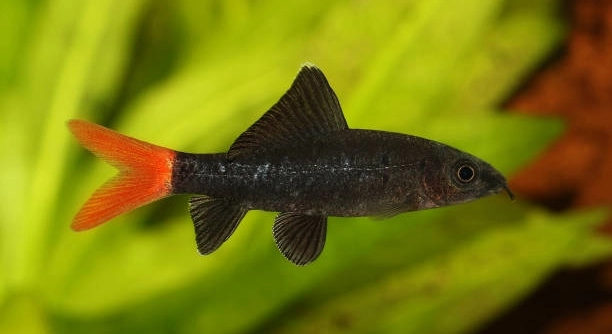
Are your rainbow sharks showing signs of distress or unusual behavior in your aquarium? Caring for these colorful fish means recognizing when something might be wrong early on. Knowing the symptoms of illness helps keep them healthy and thriving.
Rainbow sharks display sickness through several key symptoms such as changes in color, lethargy, loss of appetite, abnormal swimming patterns, visible spots or wounds, rapid breathing, and clamped fins. Early identification of these signs is crucial for timely treatment and preventing further health decline.
Understanding these symptoms will help you respond quickly and maintain a healthy environment for your rainbow sharks. Keeping an eye out can make all the difference for their well-being.
Changes in Color and Appearance
One of the first signs that your rainbow shark might be sick is a noticeable change in its color. Healthy rainbow sharks usually have vibrant, shiny scales with a clear red or orange dorsal fin. When they become ill, their colors can fade or become dull. You might also see white spots or patches appearing on their bodies, which can indicate infections like ich or fungal issues. Additionally, look for any wounds, redness, or swelling that weren’t there before. These changes in appearance are often easy to spot and can help you catch health problems early, giving you a chance to act before things get worse. Monitoring your fish regularly ensures you know what their normal color looks like, making any shifts easier to notice.
Color changes are often a direct reflection of stress or illness in rainbow sharks. Keep an eye out for dullness or unusual spots.
Color loss and visible marks are key indicators of disease or stress. Addressing these early can prevent more serious health issues and improve recovery chances.
Lethargy and Abnormal Behavior
Lethargy is a common symptom when a rainbow shark is not feeling well. If your fish is spending more time resting at the bottom of the tank or hiding than usual, it may be sick. Abnormal swimming patterns are another warning sign. This includes swimming erratically, floating upside down, or rubbing against tank surfaces. These behaviors suggest discomfort or illness. Sometimes, the fish might also isolate itself from other tank mates. Changes in activity level can be caused by poor water quality, infections, or internal parasites. Keeping the tank clean and maintaining stable water parameters are crucial steps to prevent such problems. Observing how your rainbow shark normally behaves helps you notice these irregularities sooner.
Monitoring behavior is important to detect early signs of health issues in your fish.
Changes in activity, like lethargy or odd swimming, often signal distress. These symptoms require prompt attention to improve the fish’s condition.
In some cases, lethargy and strange swimming are caused by poor water conditions or diseases. Testing water regularly and acting on any problems can protect your fish. Treatment might involve water changes, medication, or improving tank hygiene. Immediate action helps stop illness from worsening and supports healing.
Loss of Appetite
When a rainbow shark stops eating or eats much less than usual, it’s a strong sign something is wrong. Loss of appetite can happen for many reasons, including illness, stress, or poor water conditions.
A sick rainbow shark may refuse food entirely or only nibble lightly. This behavior can quickly lead to weakness and weight loss if not addressed. It’s important to observe how your fish responds to feeding times. Sometimes, the food type or feeding schedule might need adjustment, but often loss of appetite indicates a deeper health issue. If your fish is not eating for more than a couple of days, check the tank environment and look for other symptoms like color changes or unusual behavior. Early action can improve chances of recovery.
In some cases, infections or parasites cause appetite loss. Treating the underlying cause usually helps the fish regain its hunger. Always quarantine sick fish if possible to avoid spreading disease.
Rapid Breathing and Clamped Fins
Rapid gill movement, or fast breathing, signals stress or illness in rainbow sharks. Clamped fins—when the fins are held close to the body—often occur alongside this symptom. Both signs indicate discomfort and require attention.
Fast breathing can be caused by poor oxygen levels, high ammonia, or bacterial infections. Clamped fins reduce movement and suggest the fish is conserving energy due to weakness. Checking water quality is the first step. Poor water can quickly worsen these symptoms. If water parameters are good, consider infection or parasites. Medication may be necessary to treat the fish. Observing these signs early helps prevent serious damage and gives your rainbow shark a better chance to heal.
Visible Spots and Wounds
White or red spots on your rainbow shark can mean infections like ich or bacterial problems. Wounds may appear from fights or injury and can get infected quickly if untreated.
Keep the tank clean and isolate affected fish to prevent spreading. Treat infections with appropriate medication and monitor healing closely.
Abnormal Swimming Patterns
Erratic swimming, spinning, or floating upside down often signals serious health issues. These behaviors can result from swim bladder problems, infections, or poor water quality.
Prompt diagnosis and treatment are necessary to improve the fish’s chances of recovery and prevent further harm.
Isolation from Other Fish
A sick rainbow shark may separate itself from tank mates. This behavior shows it is stressed or weak.
Isolation helps the fish conserve energy but also signals a problem needing attention.
Swollen or Puffy Body
A swollen body can be a sign of dropsy or internal infection. It requires quick action to diagnose and treat.
Ignoring swelling often leads to worsening health or death.
How can I tell if my rainbow shark is sick?
Signs of sickness in your rainbow shark include color fading, spots or wounds, lethargy, loss of appetite, abnormal swimming, rapid breathing, clamped fins, and isolation from other fish. Watching your fish closely for these symptoms helps you catch problems early and take action.
What causes color changes in rainbow sharks?
Color changes often result from stress, poor water quality, infections, or nutritional deficiencies. A healthy rainbow shark has bright colors. When colors dull or fade, it signals that something is wrong, such as illness or an unsuitable environment.
Why is my rainbow shark not eating?
Loss of appetite can come from stress, water quality issues, parasites, or infections. It can also happen if the fish feels unsafe or uncomfortable in its tank. If your fish refuses food for more than two days, it’s important to investigate these factors.
What should I do if my rainbow shark has white spots?
White spots typically indicate ich, a common parasite infection. Treat the tank with ich medication and increase the water temperature slightly to help kill the parasite. Quarantining the infected fish speeds recovery and prevents spreading.
How do I improve my rainbow shark’s swimming behavior?
Abnormal swimming may be caused by swim bladder disease, infections, or poor water quality. Check water parameters first, then consider treatment for infections. Improving tank conditions and possibly adding aquarium salt can help your fish regain normal swimming.
Is rapid breathing a serious problem?
Yes, rapid breathing is often a sign of oxygen deficiency or gill irritation caused by ammonia or bacterial infections. Test your water and perform immediate water changes if needed. If water quality is fine, medication may be necessary.
Why is my rainbow shark hiding all the time?
Hiding often means your fish feels stressed or unwell. Causes include poor water quality, bullying from tank mates, or illness. Providing plenty of hiding spots and maintaining good tank conditions reduces stress and encourages healthier behavior.
Can I treat my rainbow shark’s sickness at home?
Many common illnesses can be treated at home with proper medication, water changes, and tank maintenance. Always diagnose symptoms carefully before treatment, and follow medication instructions closely to avoid harming your fish or tank environment.
How important is water quality for rainbow shark health?
Water quality is critical. Poor water can cause stress, disease, and death. Regular testing for ammonia, nitrite, nitrate, pH, and temperature keeps the tank safe. Consistent water changes and filtration help maintain stable conditions.
When should I quarantine a sick rainbow shark?
Quarantine a sick fish as soon as you notice symptoms to prevent disease spread. Use a separate tank for treatment and observation. This also reduces stress on healthy tank mates.
What foods are best for rainbow sharks?
Rainbow sharks need a balanced diet with sinking pellets, vegetables, and occasional live or frozen foods. Proper nutrition supports their immune system and helps prevent illness.
Can stress cause illness in rainbow sharks?
Yes, stress weakens their immune system, making them more vulnerable to infections. Stress can come from poor water, aggressive tank mates, overcrowding, or sudden changes in environment.
How often should I check on my rainbow shark?
Daily observation helps catch early signs of sickness. Look for changes in behavior, color, or appetite to ensure your fish stays healthy.
What should I do if my rainbow shark has clamped fins?
Clamped fins usually indicate stress or illness. Check water quality immediately and improve tank conditions. If symptoms persist, consider medication after identifying the cause.
Are there common diseases rainbow sharks get?
Yes, common diseases include ich, bacterial infections, fin rot, swim bladder disease, and dropsy. Early detection and proper care are essential for recovery.
Taking care of a rainbow shark means paying close attention to its health. These fish can show signs of illness in many ways, like changes in color, unusual behavior, or loss of appetite. Recognizing these signs early is important because it gives you a chance to help your fish before the problem gets worse. Regular observation and simple care steps, like keeping the tank clean and maintaining good water quality, go a long way in keeping your rainbow shark healthy.
When you notice any symptoms like spots, wounds, or abnormal swimming, it’s best to act quickly. Many common fish illnesses can be treated effectively if caught early. Sometimes the cause is poor water conditions, which are easy to fix with water changes and filtration. Other times, infections may require medication. Either way, it’s important to isolate sick fish if possible, so illness does not spread to others in the tank. Always follow treatment instructions carefully and keep monitoring your fish to see if they improve.
Remember, prevention is the best approach. Providing a balanced diet, avoiding overcrowding, and maintaining a stable environment helps reduce stress and disease risk. Rainbow sharks thrive when they live in a clean, well-maintained tank with good water quality and plenty of space. By staying alert to your fish’s needs and behavior, you can help ensure they live a long, healthy life. Taking these simple steps will make caring for your rainbow shark a rewarding experience.

Hello,
If you enjoy the content that we create, please consider saying a "Thank You!" by leaving a tip.
Every little bit helps us continue crafting quality advice that supports the health, happiness, and well-being of pets around the world, for pets of all shapes, sizes, and species.
We really appreciate the kindness and support that you show us!