
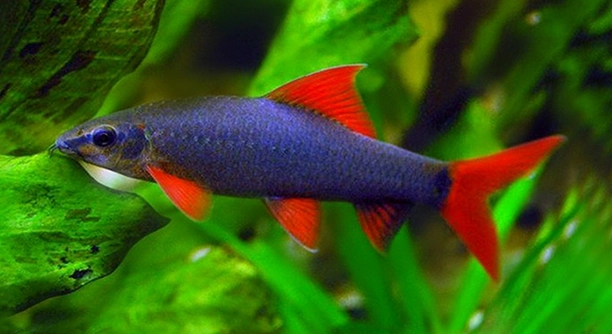
Have you ever watched your rainbow shark’s behavior change and wondered if it might be preparing for something more than just swimming around?
A rainbow shark may be ready to breed if it displays increased aggression, frequent territory patrols, vibrant coloration, body swelling, rubbing behavior, mating dances, and interaction with potential mates. These signs reflect hormonal and behavioral changes linked to breeding readiness.
Recognizing these signals can help you create a supportive environment and avoid unnecessary stress for your fish during this stage.
Signs Your Rainbow Shark Is Ready to Breed
When a rainbow shark is ready to breed, the changes can be easy to miss at first. One of the earliest signs is a shift in behavior. You may notice the fish becoming more territorial, chasing tank mates more often, and spending more time patrolling its space. This is its way of claiming a breeding area. Color changes are another clear signal. The body may appear more vibrant, especially around the fins. A slight swelling in the belly can also occur as the fish prepares to reproduce. Breeding behavior often includes rubbing against surfaces or tank décor. These movements help stimulate egg release or prepare a surface for laying eggs. You may also observe what looks like a short dance, where one fish circles or nudges another. These patterns can seem subtle, but they carry meaning in the context of mating. Every sign adds up to a bigger picture.
Look for these behaviors over time, rather than all at once. Subtle shifts often signal what’s to come.
Once you’re aware of these signs, it becomes easier to support your fish’s breeding phase. You’ll know when to separate aggressive fish, adjust water conditions, or prepare for possible fry. Timing matters when it comes to healthy reproduction.
Creating the Right Breeding Environment
Water quality plays a key role in triggering breeding behavior in rainbow sharks. It’s important to maintain the tank properly.
Start by ensuring stable water parameters. The temperature should stay between 75–81°F (24–27°C), with a slightly acidic to neutral pH of 6.5–7.0. Regular water changes help keep ammonia and nitrate levels low, which supports fish health during this sensitive time. Add plants or decorations to create hiding spots and reduce stress, but leave open space for the sharks to move freely. Diet also impacts readiness—high-protein foods like brine shrimp and bloodworms can encourage breeding. It’s best to offer these foods consistently for a few weeks. While rainbow sharks are often aggressive, separating them into a larger tank or providing enough space can reduce unwanted conflict. Keep lighting steady and limit sudden changes in the environment. If the pair is truly ready, you may soon see courtship behavior begin. Creating the right setup doesn’t guarantee breeding success, but it does increase the likelihood. Being prepared ensures you won’t miss the opportunity when the time comes.
Mating Behavior and Physical Changes
Male and female rainbow sharks show different signs when preparing to breed. Males usually have slimmer bodies and more pointed dorsal fins, while females appear rounder, especially near the belly.
During mating behavior, males may chase females more often, displaying quick darting movements or circling actions. You might see fin flaring or rubbing against tank surfaces. These actions signal interest and help initiate spawning. Females tend to respond by slowing down or staying close to a specific area of the tank. When both fish are ready, they often repeat the same patterns throughout the day. It’s not always dramatic, but the consistency of behavior is what matters. You’ll also notice that their colors become more intense—males especially will look brighter around their fins and tails. These changes show hormonal shifts tied to reproduction and help signal readiness between the pair.
Keep a close eye on their interaction patterns and body shapes. If aggression increases suddenly, it may mean only one fish is ready to breed or that the tank is too small for their behavior to play out properly. Make sure there’s enough space to reduce tension. Having an extra tank on hand for separation is useful if things escalate unexpectedly.
Preparing for Eggs and Fry
Rainbow sharks don’t build nests, so eggs are usually scattered across tank surfaces or plants. This means the setup must be cleaned and adjusted beforehand.
Use a sponge filter to avoid sucking up eggs or fry. Remove strong current sources and add broad-leaf plants or smooth surfaces for egg laying. If eggs appear, it’s best to remove adult fish, as they may eat the eggs shortly after. Keep the tank calm and well-aerated. Maintain the same water conditions, and avoid sudden temperature changes. Eggs typically hatch within a few days, and fry will cling to surfaces before swimming freely. Once free-swimming, they need finely crushed flake food or baby brine shrimp. Regular, small feedings support healthy growth. Avoid overcrowding the tank during this stage. Watch closely for any signs of stress or illness. Clean water and low lighting help the fry thrive in their early stages.
Common Challenges During Breeding
One common challenge is aggression. Rainbow sharks can become territorial and may injure each other if not given enough space. Watch closely and separate them if needed.
Another issue is egg loss. Adults often eat their eggs if left in the same tank. Remove them right after spawning to protect the eggs.
Monitoring Growth and Development
Once the fry begin swimming freely, it’s important to monitor their development. Growth can be uneven, so regular observation helps you adjust feeding if needed. Separate the larger fry to prevent bullying. Maintain stable water conditions and perform small, frequent water changes. Clean water supports healthy growth and reduces stress. Gradually increase the size of their food as they grow, shifting from crushed flakes to small live or frozen options. Avoid overfeeding, as it can lower water quality. If you notice slow growth, check the temperature and nutrition levels. A consistent routine is key during this stage.
When to Separate the Fry
Once the fry start showing signs of aggression or size differences become noticeable, it’s time to move them into separate tanks.
FAQ
How long does it take for rainbow shark eggs to hatch?
Rainbow shark eggs usually hatch within three to five days, depending on water temperature. Warmer water speeds up development, while cooler water slows it down. Keep the tank temperature stable to ensure healthy growth. Proper aeration and clean water also improve hatching success.
Can rainbow sharks breed without a mate in the same tank?
No, rainbow sharks require a male and female pair to breed successfully. However, some may show breeding behaviors even without a mate, but actual spawning will not occur without both sexes present.
What is the best diet to encourage breeding in rainbow sharks?
A high-protein diet supports breeding readiness. Feeding live or frozen foods like bloodworms, brine shrimp, and daphnia can improve health and stimulate reproductive behavior. Supplementing with high-quality pellets ensures balanced nutrition.
How can I reduce aggression during breeding?
Increasing tank size and providing plenty of hiding places can reduce aggression. Adding plants and decorations breaks up territory lines. Separating fish temporarily or using a breeding tank helps prevent serious injury.
Do rainbow sharks care for their eggs or fry?
Rainbow sharks do not care for their eggs or fry. In fact, adults often eat their eggs. It’s best to remove adult fish after spawning to protect the young until they are old enough to survive on their own.
Can all rainbow sharks breed in captivity?
Not all rainbow sharks will breed in home aquariums. Successful breeding requires specific conditions, including proper tank size, water quality, diet, and a compatible breeding pair. Stress or improper conditions may prevent breeding altogether.
What should I do if eggs get fungus?
Fungus can be treated with antifungal medications available at pet stores. Removing infected eggs promptly prevents the spread. Maintaining clean water and good aeration helps reduce fungus risk.
How many fry can I expect from a single spawning?
A single spawning may produce anywhere from 100 to 300 eggs, but survival rates vary. Many eggs may not hatch or survive, so the number of healthy fry reaching adulthood is often lower.
When do fry start swimming freely?
Fry usually start swimming freely about four to six days after hatching. Before that, they cling to surfaces while absorbing their yolk sacs. Free-swimming fry require careful feeding and clean water to thrive.
Is it necessary to use a separate breeding tank?
Using a breeding tank is highly recommended. It protects eggs and fry from adult aggression and provides a controlled environment for better survival rates. A separate tank also makes monitoring easier.
What water parameters are ideal for breeding?
Keep the water temperature between 75–81°F (24–27°C), with a pH of 6.5 to 7.0. Stable conditions and low nitrate levels are crucial. Regular water changes maintain cleanliness and encourage breeding behavior.
How often should I feed the fry?
Feed fry small amounts several times a day. Use finely crushed flakes or baby brine shrimp to meet their nutritional needs. Overfeeding should be avoided to prevent water quality issues.
Can breeding rainbow sharks live with other fish?
Breeding rainbow sharks can live with other peaceful fish if the tank is large enough. However, during breeding, they become more territorial. Monitoring is important to prevent fights or stress.
What are common signs that breeding was unsuccessful?
Signs include eggs not hatching, eggs turning white or cloudy, or aggressive adults eating eggs immediately. Fry that appear weak or fail to grow may indicate problems with water quality or nutrition.
How do I know when to separate the male and female after spawning?
Separate them once eggs are laid to prevent adults from eating the eggs. Removing them within a few hours after spawning is usually sufficient. This also reduces stress on both fish.
Final thoughts on breeding rainbow sharks focus on being patient and attentive to your fish’s needs. Breeding is a natural process that requires the right environment, care, and timing. Watching for the seven signs of readiness helps you know when your fish are prepared to breed. These include changes in behavior, color, and physical condition. Recognizing these signs early allows you to make the necessary adjustments in tank setup and care to support a successful breeding experience. It is important to keep the water clean and stable, provide proper nutrition, and manage any aggression that arises. Taking these steps increases the chances that your rainbow sharks will breed and produce healthy fry.
Managing the breeding process can be challenging but rewarding. Rainbow sharks are territorial fish, so keeping them comfortable is key to reducing stress. Ensuring enough space, hiding places, and peaceful tank mates can make a big difference. During the breeding phase, it is normal for behaviors to shift and aggression to increase. Separating fish when needed, especially after spawning, protects the eggs and fry. Providing a safe environment for the young fish helps them grow strong. Regular monitoring of water quality and feeding routines supports their development. Being patient with these steps helps build confidence and experience over time.
Remember that not every breeding attempt will succeed, and that is part of the process. Each tank and pair of fish are unique, and breeding may take multiple tries or adjustments. Understanding the signs and creating the best possible environment prepares you for success. Even if breeding does not happen right away, maintaining healthy conditions benefits your fish long term. Keeping an eye on behavior, health, and tank conditions allows you to respond quickly to changes. The more you learn about your rainbow sharks, the better you can support them through breeding and beyond. This careful attention brings satisfaction and a deeper connection with your fish.

Hello,
If you enjoy the content that we create, please consider saying a "Thank You!" by leaving a tip.
Every little bit helps us continue crafting quality advice that supports the health, happiness, and well-being of pets around the world, for pets of all shapes, sizes, and species.
We really appreciate the kindness and support that you show us!