
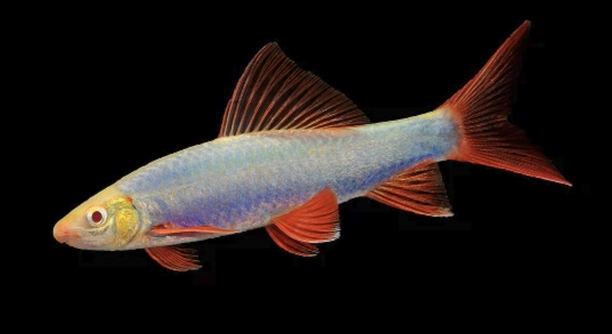
Having a Rainbow Shark in your aquarium adds color and movement, but choosing the right tankmates is important for harmony. Not all fish get along well with this species, so careful planning is needed to create a peaceful community. This guide offers practical advice for selecting compatible companions for your Rainbow Shark.
Creating the ideal tankmates for a Rainbow Shark requires understanding its territorial and semi-aggressive nature. Selecting peaceful, similarly sized fish that occupy different water levels reduces conflict and promotes coexistence. Proper tank size and environmental enrichment are also critical factors for success.
Following these guidelines helps maintain a calm aquarium environment where your Rainbow Shark and its companions can thrive together comfortably.
Understanding Rainbow Shark Behavior
Rainbow Sharks are territorial and can be semi-aggressive, especially in smaller tanks. They tend to defend their space and may chase or nip at other fish that come too close. This behavior is natural but can cause stress or injury to tankmates if the environment is not suitable. Providing hiding spots and a large enough tank helps reduce aggression by giving each fish its own space. Rainbow Sharks usually prefer to swim near the bottom of the tank, so choosing fish that occupy different water levels can prevent unnecessary conflict. Their active nature means they need plenty of swimming room, and overcrowding should be avoided to keep aggression low. Recognizing these behavior patterns is essential for selecting compatible species and creating a balanced tank.
Tank size and layout strongly influence Rainbow Shark behavior and compatibility.
Planning the tank environment with plants, caves, or decorations offers shelter and visual barriers. These help to divide territories and lessen stress among tank inhabitants. Adding non-aggressive species that swim in mid or upper levels of the tank encourages peaceful coexistence. Careful observation is necessary during the first few weeks to ensure all fish adjust well to the new setup. Adjustments in tankmates or decorations may be required to improve harmony over time.
Choosing Compatible Tankmates
Choosing tankmates that differ in size and temperament is crucial to avoid conflicts. Peaceful fish that do not compete aggressively for space or food are better companions. Species that swim in the upper or middle parts of the aquarium complement Rainbow Sharks, which usually occupy the bottom. Avoid small, slow-moving fish that may become targets for nipping. Also, avoid other territorial bottom dwellers to reduce disputes.
Compatibility depends on matching activity levels and temperaments.
Fish such as Corydoras catfish, some tetras, and barbs can work well as tankmates if the tank is large enough. Corydoras are bottom dwellers but have a peaceful nature and stay in groups, which can distract Rainbow Sharks from aggressive behavior. Active mid-level swimmers like certain tetras help balance the tank dynamics by occupying different swimming zones. Barbs are hardy and fast swimmers that can coexist with Rainbow Sharks in spacious tanks. Always introduce new fish gradually and watch for signs of stress or aggression. Proper quarantine and acclimation procedures help ensure a healthy community tank.
Monitoring Behavior Regularly
Regular observation is necessary to ensure all tankmates coexist peacefully. Watch for signs of stress, such as hiding, fin damage, or erratic swimming. Early detection allows timely adjustments to prevent serious issues.
Aggression can increase as fish mature or during breeding. Keep a close eye on interactions, especially in the first weeks after introducing new tankmates. Note any fish that become targets of bullying or appear withdrawn. If aggression becomes persistent, consider rearranging tank decorations or separating problematic fish to reduce conflict. Keeping a log of behavior changes can help track patterns and guide decisions.
Maintaining clean water and stable conditions supports fish health and lowers aggression. Uneven water parameters or poor water quality can cause stress and increase hostility among fish. Regular water tests and partial water changes promote a stable environment. When fish are healthy and comfortable, they are less likely to show aggressive behavior, making monitoring even more effective.
Feeding Strategies to Reduce Aggression
Feed Rainbow Sharks and their tankmates multiple small meals daily rather than one large feeding. This approach prevents food competition, which can cause stress and fighting.
Distribute food evenly across the tank to reduce territorial disputes during feeding time. Use sinking pellets for Rainbow Sharks, which prefer bottom feeding, and floating flakes or pellets for mid-level swimmers. Feeding on different levels also helps reduce competition. Ensuring all fish receive adequate nutrition keeps them healthy and less prone to aggressive behaviors.
Avoid overfeeding, as leftover food can degrade water quality, leading to stress and increased aggression. Remove uneaten food promptly to maintain tank cleanliness. Proper feeding routines contribute to a calm and balanced aquarium environment where all species can thrive together.
Providing Hiding Spots
Hiding spots are essential to reduce stress and aggression in the tank. Fish need places to retreat when they feel threatened or want to rest.
Use plants, rocks, or decorations to create multiple shelters. This helps break up territories and gives shy fish safe zones.
Maintaining Proper Tank Size
A larger tank allows Rainbow Sharks and their tankmates enough space to establish their own areas without frequent conflicts. Overcrowding raises stress and aggression levels.
For a community with Rainbow Sharks, a minimum tank size of 30 gallons is recommended. Larger tanks provide better swimming space and more room for hiding spots, which improves overall harmony. Bigger tanks also dilute territorial behavior by giving each fish more room to coexist peacefully. Proper tank size is a key factor in successful long-term fish compatibility and health.
Avoiding Aggressive Tankmates
Do not add overly aggressive or territorial fish to the tank. They can cause fights and injuries.
FAQ
What fish make good tankmates for Rainbow Sharks?
Good tankmates are peaceful species that occupy different areas of the tank. Corydoras catfish, certain tetras, and barbs often work well. These fish usually swim in mid or upper levels, reducing competition. Avoid small, slow-moving fish and other territorial bottom dwellers to prevent conflicts.
How big should my tank be for Rainbow Sharks and their tankmates?
A minimum of 30 gallons is recommended for a single Rainbow Shark with compatible tankmates. Larger tanks help reduce territorial aggression by providing more space and hiding spots. If you plan to keep multiple Rainbow Sharks, an even larger tank is necessary to avoid stress and fighting.
Can I keep multiple Rainbow Sharks together?
It is possible but challenging. Rainbow Sharks are territorial, especially as they mature. If you keep more than one, the tank must be large with plenty of hiding places and decorations to break up territories. Introducing them at the same time can help reduce aggression.
What are signs of aggression or stress in Rainbow Sharks?
Look for chasing, nipping, damaged fins, or fish hiding excessively. A stressed fish may also lose color or stop eating. Early detection is important to adjust the tank environment or separate aggressive fish before injuries occur.
How often should I feed my Rainbow Shark and tankmates?
Feed smaller amounts multiple times a day instead of one large feeding. This prevents competition over food and reduces stress. Use sinking pellets for Rainbow Sharks and flakes or pellets for mid-level swimmers. Remove uneaten food to maintain water quality.
Are live plants helpful for tanks with Rainbow Sharks?
Yes, live plants provide natural hiding spots and help improve water quality. They also create visual barriers that reduce territorial disputes. Choose hardy plants that can tolerate the Rainbow Shark’s activity and water conditions.
What water parameters do Rainbow Sharks prefer?
Rainbow Sharks thrive in temperatures between 72–79°F (22–26°C) and a pH of 6.5 to 7.5. Stable water conditions are important to reduce stress and aggression. Regular testing and maintenance keep the environment healthy for all fish.
How can I reduce aggression if it starts in my tank?
Rearranging tank decorations can break up established territories. Adding more hiding spots helps fish avoid confrontation. If aggression continues, consider removing the aggressive fish or separating them temporarily. Maintaining good water quality also supports calm behavior.
Is it necessary to quarantine new fish before adding them to a Rainbow Shark tank?
Yes, quarantining prevents introducing diseases that can weaken your fish and increase stress. A quarantine period of at least two weeks helps ensure new fish are healthy before mixing them with your Rainbow Shark and other tankmates.
Can Rainbow Sharks live with shrimp or snails?
Rainbow Sharks may see small shrimp as food, so they are generally not safe tankmates. Snails can sometimes coexist if they have enough hiding places, but there is still a risk of harassment. Monitor interactions closely if you choose to keep them together.
How important is tank decoration for Rainbow Sharks and their companions?
Tank decoration is crucial. It provides shelter, breaks up territories, and reduces stress. Decorations like caves, plants, and rocks help fish establish their own space and reduce aggressive encounters. Proper decoration improves the overall health and peace of the tank.
What should I do if a Rainbow Shark becomes overly aggressive?
Try increasing tank size or adding more hiding spots. Rearranging the layout can also help disrupt aggressive behavior. If problems persist, isolate or rehome the aggressive fish to protect other tankmates. Always prioritize the well-being of all fish in the tank.
Creating a peaceful community tank with a Rainbow Shark requires careful planning and understanding of this fish’s behavior. Rainbow Sharks are known for their territorial and semi-aggressive nature, which means that not all fish will make good tankmates. It is important to choose species that can coexist without causing stress or harm to each other. Selecting tankmates that swim in different areas of the aquarium, have peaceful temperaments, and are of compatible size helps to reduce conflicts. Providing enough space with a properly sized tank and plenty of hiding spots further supports a calm environment for all fish.
Maintaining a healthy and balanced tank goes beyond just choosing the right companions. Regular monitoring of fish behavior is essential to spot early signs of aggression or stress. Adjusting tank decorations, rearranging hiding spots, or separating aggressive fish when needed can improve the overall harmony. Feeding strategies also play a role in reducing competition. Offering multiple small feedings throughout the day and spreading food across different levels of the tank can keep fish from becoming territorial over food. Clean water and stable conditions help fish feel secure and reduce the chances of aggressive behavior.
In summary, successfully keeping Rainbow Sharks with other fish takes patience and attention. By understanding their natural tendencies and creating an environment that meets the needs of all species, a peaceful community aquarium is achievable. A well-planned tank with compatible fish, proper space, suitable feeding routines, and regular care will ensure your Rainbow Shark and its tankmates thrive together. This approach leads to a healthy and enjoyable aquarium for both the fish and the aquarist.

Hello,
If you enjoy the content that we create, please consider saying a "Thank You!" by leaving a tip.
Every little bit helps us continue crafting quality advice that supports the health, happiness, and well-being of pets around the world, for pets of all shapes, sizes, and species.
We really appreciate the kindness and support that you show us!