
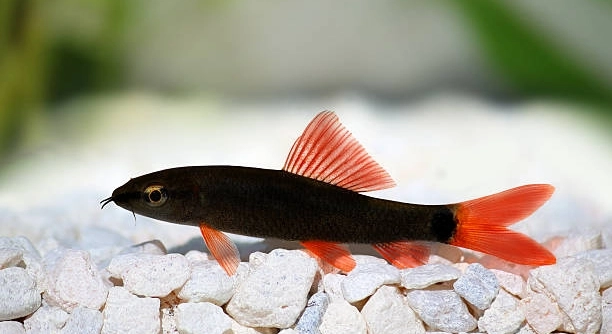
Rainbow Sharks are popular aquarium fish known for their vibrant colors and active behavior. However, they can sometimes display aggressive tendencies that may disturb other tank inhabitants. Managing their aggression is important for a peaceful aquatic environment.
Reducing aggression in Rainbow Sharks involves several strategies, such as providing ample space, hiding spots, and proper tank mates. Ensuring a balanced diet, maintaining water quality, and avoiding overcrowding also help minimize territorial behavior and stress-induced aggression.
These simple but effective steps can improve harmony in your aquarium and promote healthier interactions among your fish.
Provide Adequate Space in the Aquarium
Rainbow Sharks need plenty of space to reduce aggression. When they feel cramped, they become territorial and may attack other fish. A tank of at least 30 gallons is recommended for one Rainbow Shark. If you want more, a bigger tank is necessary. Adding space helps reduce stress and keeps their behavior calmer. Keep in mind that these fish are bottom dwellers and need room to swim along the tank floor. Providing an environment that mimics their natural habitat helps lower their stress levels. More space means fewer confrontations and a better atmosphere for all the fish in the tank. It also allows Rainbow Sharks to establish territories without crowding others. Without enough space, aggression and competition for territory rise quickly.
Giving Rainbow Sharks enough room creates a more peaceful environment and limits aggressive behaviors caused by stress or overcrowding.
When your tank is large enough, the fish are less likely to feel threatened or cornered. This reduces attacks and allows for more natural behavior. A spacious tank encourages healthier interactions and better overall well-being.
Use Hiding Spots and Decorations
Hiding places are essential for Rainbow Sharks. These spots allow fish to retreat when they feel threatened. They reduce stress and give shy fish a break from aggressive tank mates. Use rocks, plants, and caves to create these areas. The variety helps break up the tank visually and gives each fish a space to call its own. Hiding spots can prevent fights by letting fish avoid confrontations. They also provide resting places and help Rainbow Sharks feel secure in their environment.
Decorations that offer cover and territory boundaries lower aggression by giving fish control over their space. Creating such areas supports a balanced and calm tank. This simple addition can greatly improve harmony.
Choose Compatible Tank Mates
Rainbow Sharks do best with peaceful, fast-swimming fish that occupy different levels of the tank. Avoid slow or long-finned species, as these can provoke aggression. Keeping compatible fish reduces stress and helps maintain balance in the aquarium.
Selecting the right tank mates is crucial to lowering aggression. Rainbow Sharks are territorial, especially toward similar species or those that share the same bottom-dwelling habits. Ideal companions include small schooling fish like danios or tetras, which stay in the mid to upper levels of the tank. Avoid housing multiple Rainbow Sharks together unless the tank is very large, as this often increases fighting. A balanced community with distinct territories prevents constant competition and reduces aggressive encounters.
Proper tank mate selection creates a more peaceful environment. By avoiding direct competition for space or food, all fish can thrive without constant stress or injury. Choosing suitable companions helps Rainbow Sharks settle and behave calmly.
Maintain Good Water Quality
Clean, stable water conditions are essential for healthy Rainbow Sharks. Poor water quality increases stress, which often leads to more aggressive behavior. Regular water changes and proper filtration help keep the tank environment stable and safe.
Stress from poor water conditions causes Rainbow Sharks to act aggressively. Ammonia, nitrites, and nitrates should be monitored closely, as elevated levels can irritate fish. Regular partial water changes, typically 20-30% weekly, remove harmful substances and replenish minerals. A reliable filter keeps the water clear and oxygenated. Keeping temperature stable, ideally between 72°F and 79°F, supports overall health. Water parameters should be tested frequently to catch problems early. Healthy fish feel less threatened and are less likely to fight. Maintaining a clean, well-balanced aquarium is one of the best ways to reduce aggression naturally.
Avoid Overcrowding
Too many fish in one tank cause stress and increase aggression. Overcrowding leads to competition for space and resources. Keeping the population appropriate for your tank size helps Rainbow Sharks stay calm.
Crowded tanks make it hard for fish to establish territories. This increases fights and stress. Maintaining proper stocking levels supports peaceful behavior and better health for all fish.
Feed a Balanced Diet
Rainbow Sharks need varied, nutritious food to stay healthy and less aggressive. Feeding high-quality pellets supplemented with vegetables and occasional protein treats ensures they get all needed nutrients. A balanced diet prevents hunger-driven aggression and promotes overall well-being.
Monitor Behavior Regularly
Watch your Rainbow Sharks closely to spot early signs of aggression or stress. Early detection helps prevent serious conflicts. Timely adjustments in tank conditions or fish arrangements can improve harmony quickly.
Keep the Tank Clean
Regular cleaning prevents buildup of harmful waste. A clean environment supports healthy fish and reduces stress that can cause aggression.
FAQ
Why are my Rainbow Sharks aggressive?
Rainbow Sharks are naturally territorial fish. Aggression usually happens when they feel crowded, stressed, or threatened. Poor tank conditions, lack of hiding places, or incompatible tank mates can also increase aggressive behavior. Ensuring enough space, good water quality, and peaceful companions can reduce their territorial nature.
Can I keep more than one Rainbow Shark together?
Keeping multiple Rainbow Sharks in the same tank is generally not recommended unless the tank is very large. They tend to fight over territory, especially if the space is limited. If you do keep more than one, make sure the tank is at least 55 gallons and has plenty of hiding spots to reduce aggression.
What tank size is best for a Rainbow Shark?
A minimum of 30 gallons is ideal for one Rainbow Shark. Larger tanks are necessary for more fish to prevent territorial disputes. The tank should be long rather than tall, as Rainbow Sharks prefer swimming near the bottom and need horizontal space.
What are the best tank mates for Rainbow Sharks?
Peaceful, fast-swimming fish that occupy the middle or top levels work best. Examples include danios, tetras, and barbs. Avoid slow-moving, long-finned, or bottom-dwelling fish, as they may provoke aggression or be targets of bullying.
How often should I feed my Rainbow Shark?
Feed your Rainbow Shark once or twice a day with a balanced diet. High-quality sinking pellets or wafers designed for bottom feeders are ideal. Supplement with vegetables like zucchini or peas and occasional protein treats such as bloodworms.
Does water temperature affect aggression?
Yes, temperature fluctuations can stress Rainbow Sharks, leading to increased aggression. Keeping water between 72°F and 79°F helps maintain their health and calm behavior. Sudden changes in temperature should be avoided.
How do hiding spots reduce aggression?
Hiding spots provide safe places where fish can retreat and rest. This reduces stress and gives them control over their space. When Rainbow Sharks can establish their own territory without constant confrontation, overall aggression decreases.
What water parameters should I monitor?
Ammonia and nitrite levels should always be at 0 ppm. Nitrate should be kept below 20 ppm. pH levels between 6.5 and 7.5 are suitable. Regular testing and water changes help maintain these parameters, keeping fish healthy and less aggressive.
Can aggression be a sign of illness?
Sometimes aggression increases if a Rainbow Shark is sick or injured. Stress from poor health can cause abnormal behavior. Watch for signs like lethargy, loss of appetite, or unusual swimming patterns. Treating illness promptly can reduce aggression caused by discomfort.
How do I separate aggressive Rainbow Sharks?
If aggression becomes severe, separating fish into different tanks or using tank dividers can prevent injury. This gives each fish space to feel safe. After a period, gradual reintroduction with new hiding spots may help restore peace.
Is it normal for Rainbow Sharks to chase other fish?
Chasing is part of their territorial behavior but should not be constant or violent. Occasional chasing is normal but persistent attacks need intervention. Adjusting tank conditions or adding distractions like plants can help reduce chasing.
Can diet influence aggression?
Yes, an improper or insufficient diet can cause hunger-driven aggression. Feeding a varied and balanced diet keeps Rainbow Sharks healthy and less prone to fighting over food.
What is the role of tank decorations in aggression control?
Decorations help break up sight lines and create separate territories. This limits direct confrontations. Using rocks, caves, and plants provides cover and helps Rainbow Sharks feel secure, reducing aggressive behavior.
How frequently should I clean the tank?
Regular cleaning, including partial water changes of 20-30% weekly, is recommended. Cleaning removes waste and toxins that stress fish. A clean environment supports calm and healthy Rainbow Sharks.
Are Rainbow Sharks aggressive only towards their own species?
While aggression is often stronger toward their own kind, Rainbow Sharks can also bully other bottom dwellers or slow-moving fish. Proper tank setup and suitable tank mates help reduce aggression across species.
What signs show that aggression is under control?
When aggression is managed well, fish will swim calmly, share space without constant chasing, and show normal feeding behavior. Hiding spots are respected, and injuries are minimal or absent. Regular observation helps confirm peaceful tank conditions.
Managing aggression in Rainbow Sharks is an important part of maintaining a peaceful aquarium. These fish have natural territorial instincts that can sometimes lead to conflicts with other tank mates. By understanding their needs, including providing enough space, hiding spots, and compatible companions, you can reduce their aggressive behavior. It is important to keep the tank environment stable and clean to help your Rainbow Sharks feel safe and comfortable. Regular monitoring of their behavior and tank conditions can prevent problems before they escalate.
Feeding a balanced diet is another key factor in controlling aggression. Rainbow Sharks that are well-fed with nutritious foods tend to be less aggressive because they are not competing for food. Offering a variety of foods, including high-quality pellets and fresh vegetables, helps maintain their health and reduces stress. Additionally, maintaining proper water quality by doing regular water changes and using good filtration keeps the fish healthy. Poor water conditions can cause irritation and stress, making aggression worse. Keeping the water temperature steady also supports their well-being.
Overall, reducing aggression in Rainbow Sharks requires attention to several factors. Providing adequate tank size, thoughtful tank mates, proper diet, and good water conditions will help create a balanced environment. This promotes calmer behavior and healthier fish. While Rainbow Sharks naturally display territorial behaviors, these steps can keep aggression to a minimum. A peaceful tank benefits not only the Rainbow Sharks but all fish in your aquarium. Consistent care and observation will help you maintain harmony in your aquatic setup.

Hello,
If you enjoy the content that we create, please consider saying a "Thank You!" by leaving a tip.
Every little bit helps us continue crafting quality advice that supports the health, happiness, and well-being of pets around the world, for pets of all shapes, sizes, and species.
We really appreciate the kindness and support that you show us!