
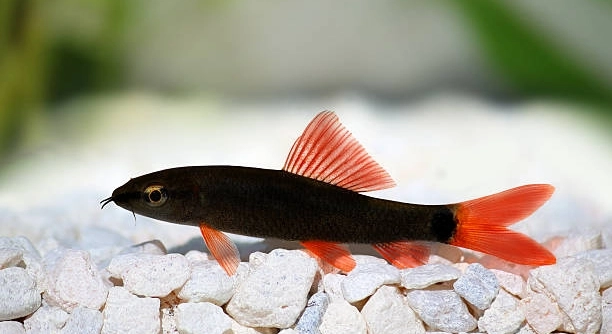
Rainbow sharks are popular freshwater fish known for their striking colors and active nature. Many aquarium enthusiasts enjoy keeping them because they add vibrancy to home tanks. However, their care requires attention to specific needs for optimal health.
To keep a rainbow shark healthy, it is essential to maintain proper water quality, provide a balanced diet, ensure adequate tank size, offer hiding spaces, monitor tank mates, keep stable water temperature, and perform regular tank maintenance. These factors collectively support the well-being and longevity of the fish.
Learning about these key care aspects will help you create a comfortable environment for your rainbow shark. Understanding these basics can lead to a happier, healthier fish that thrives in your aquarium.
Proper Water Quality
Maintaining good water quality is crucial for your rainbow shark’s health. These fish are sensitive to poor conditions, which can lead to stress and illness. Regularly test your tank water for ammonia, nitrite, and nitrate levels. Keeping ammonia and nitrites at zero and nitrates below 20 ppm is ideal. Partial water changes of about 20-25% every week help keep toxins low and oxygen levels high. A quality filtration system is essential to remove waste and keep the water clear. Avoid overcrowding the tank, as it can quickly degrade water quality. Also, clean the substrate and decorations regularly to prevent buildup of harmful substances. Stable pH around 6.5 to 7.5 is best, and sudden changes should be avoided since rainbow sharks can be stressed by fluctuations. Proper water quality supports their immune system and helps prevent diseases common in aquarium fish.
Regular monitoring of water parameters keeps your rainbow shark healthy and active.
Understanding the importance of water quality is the first step to a thriving aquarium. Many health problems in rainbow sharks start with poor water conditions. Keeping the water clean and stable not only prevents disease but also supports natural behavior and color vibrancy. Using test kits weekly helps catch any changes early before they become serious issues. Investing time in tank maintenance will give your rainbow shark a comfortable home. Consistent care with water changes and filtration also benefits other tank inhabitants. A well-maintained tank reduces stress for your fish, which is critical because stress lowers their ability to fight infections. If you notice signs of illness, checking water quality should be your first action. Overall, water quality is the foundation for keeping your rainbow shark happy and healthy.
Balanced Diet
A varied diet is important for your rainbow shark’s health. Feeding them high-quality flakes, pellets, and occasional live or frozen foods gives them the nutrients they need. Avoid overfeeding to prevent water pollution and obesity.
Rainbow sharks need proteins from animal sources and some plant matter. Include sinking pellets or wafers that reach the bottom since these fish often feed near the tank floor. Supplementing with bloodworms, brine shrimp, or daphnia provides extra nutrition and keeps their diet interesting. Vegetables like blanched zucchini or spinach can also be added occasionally. Avoid feeding only one type of food, as it may cause nutritional deficiencies. Feeding small amounts twice a day is better than one large feeding. Watch their eating habits to make sure they are getting enough but not too much. A balanced diet supports growth, color, and immune health.
Feeding your rainbow shark the right foods helps maintain their energy and vibrant appearance. A mix of proteins and plants prevents common diet-related health issues. By offering variety and controlling portions, you create a stable routine that benefits your fish long-term. This approach keeps them active and lively while reducing waste buildup in the tank. Making thoughtful food choices is an easy way to improve your fish’s quality of life.
Adequate Tank Size
Rainbow sharks need enough space to swim and explore comfortably. A tank smaller than 30 gallons is not suitable for them.
A tank of at least 30 gallons provides enough room for your rainbow shark to move freely and establish territories. These fish are active swimmers and can become stressed or aggressive in cramped spaces. Larger tanks also help maintain water quality, reducing stress and disease risks. Proper tank size supports their natural behavior and reduces conflicts with other fish. Adding plants and decorations creates hiding spots, but the open swimming area must remain ample for their activity. Overcrowding should be avoided to ensure a healthy environment for your rainbow shark.
Providing a spacious tank makes it easier to maintain stable conditions and helps your fish thrive. Investing in the right tank size protects their health and promotes a longer life.
Hiding Spaces and Tank Mates
Rainbow sharks need places to hide to feel safe. Rocks, caves, and plants work well for this purpose.
Choosing peaceful tank mates is important because rainbow sharks can be territorial. Avoid slow-moving or delicate fish that might be stressed by their activity. Suitable companions include larger tetras, barbs, or other semi-aggressive fish that can handle their energy. Introducing tank mates gradually and monitoring interactions helps prevent aggression. Proper hiding spots reduce conflicts by giving fish places to retreat. A well-planned tank with compatible species and enough shelter keeps stress levels low and promotes harmony. Always observe your fish to ensure they coexist peacefully and adjust as needed.
Stable Water Temperature
Rainbow sharks thrive in water temperatures between 72°F and 79°F. Keeping the temperature steady is crucial to avoid stress and illness.
Using a reliable aquarium heater and thermometer helps maintain a consistent temperature. Avoid placing the tank near windows or air vents where temperature fluctuations can occur.
Regular Tank Maintenance
Cleaning the tank regularly prevents waste buildup that harms water quality. Partial water changes, substrate vacuuming, and filter checks are key tasks. Consistent maintenance supports a healthy environment and keeps your rainbow shark active and disease-free.
Monitoring Health Signs
Watch for changes in behavior, appetite, or appearance. Early detection of issues helps prevent serious problems and keeps your fish healthy.
FAQ
How often should I feed my rainbow shark?
Feeding your rainbow shark twice a day with small portions is best. Overfeeding can pollute the water and cause health problems. Make sure the food is fully eaten within a few minutes to avoid leftovers that degrade water quality.
Can rainbow sharks live with other fish?
Yes, they can live with other fish but choose tank mates carefully. Avoid small, slow, or shy fish, as rainbow sharks may stress or chase them. Good companions are active, similarly sized fish like barbs or larger tetras.
What signs show my rainbow shark is stressed?
Signs of stress include hiding more than usual, loss of appetite, faded colors, or erratic swimming. Stress can be caused by poor water quality, overcrowding, or aggressive tank mates. Addressing these issues quickly helps your fish recover.
How big do rainbow sharks grow?
Rainbow sharks typically grow to about 6 inches in length. They need enough tank space to accommodate this size and swim freely without feeling cramped.
What type of filtration is best for a rainbow shark tank?
A strong filter that provides good mechanical and biological filtration is ideal. Rainbow sharks produce a moderate amount of waste, so a filter rated for a tank larger than yours is recommended to maintain water clarity and health.
Is it necessary to have live plants in the tank?
Live plants are not required but beneficial. They provide hiding spots and help improve water quality by absorbing nitrates. If you use live plants, choose hardy species that tolerate the active nature of rainbow sharks.
How often should I do water changes?
Perform partial water changes of 20-25% weekly. This keeps nitrate levels low and removes toxins. Consistent water changes are essential for maintaining a healthy environment for your rainbow shark.
What should I do if my rainbow shark shows signs of disease?
Isolate the fish if possible and check water parameters first. Treat common diseases like ich or fin rot with appropriate medication. Improving water quality and reducing stress are key to recovery. Consult a vet or aquarium specialist if symptoms persist.
Can rainbow sharks be kept in a community tank?
Yes, but only with suitable tank mates and enough space. Overcrowding and incompatible species can cause stress and aggression. Keep an eye on behavior and separate fish if problems arise.
Do rainbow sharks need special lighting?
They do not require special lighting but moderate light that mimics natural daylight is good. Too bright lighting can stress them, so consider adding shaded areas or plants to provide relief.
What is the ideal pH for rainbow sharks?
The best pH range is between 6.5 and 7.5. Maintaining stable pH within this range supports their health and reduces stress. Sudden pH changes should be avoided.
How long do rainbow sharks typically live?
With proper care, rainbow sharks can live 5 to 8 years in home aquariums. Good water quality, diet, and environment are key factors in their lifespan.
Are rainbow sharks aggressive?
They can be territorial and show aggression, especially in small or crowded tanks. Providing enough space and hiding spots helps reduce aggression. Monitoring tank dynamics is important to maintain peace.
What should I do if my rainbow shark stops eating?
Check water conditions first and ensure the food offered is suitable. Stress, illness, or poor water quality can cause appetite loss. If the problem continues, seek advice from an aquarium expert.
Can I breed rainbow sharks at home?
Breeding rainbow sharks is difficult and uncommon in home tanks. They require specific conditions and can be aggressive during breeding. Most owners keep them as pets rather than for breeding purposes.
What is the best way to acclimate a new rainbow shark?
Slow acclimation by floating the bag in the tank and gradually mixing tank water helps reduce stress. Avoid sudden changes in temperature or water chemistry to keep your new fish healthy.
Should I use a substrate in the tank?
Using a fine gravel or sand substrate is recommended. It mimics their natural environment and allows them to forage. Avoid sharp or rough substrates that could injure your fish.
How important is oxygenation in the tank?
Good oxygen levels are important for rainbow sharks. Using an air stone or filter with strong water movement improves oxygenation, especially in warmer water. Proper aeration supports overall fish health.
Can rainbow sharks recognize their owners?
While not proven, some fish respond to regular feeding and may become familiar with their caretakers’ presence. Consistent care can create a positive environment where your fish feels safe.
What are common diseases to watch for?
Common diseases include ich, fin rot, and fungal infections. Maintaining clean water and proper diet lowers risks. Early treatment is important to prevent serious health issues.
Taking care of a rainbow shark requires attention to several important factors. These fish need clean, stable water with the right temperature and pH to stay healthy. Regular water testing and maintenance help keep their environment safe and comfortable. Feeding a balanced diet with the right amount of food also supports their growth and energy. It’s important to give them enough space in the tank so they can swim freely without stress or aggression. Providing hiding spots helps them feel secure, reducing stress and improving their overall well-being.
Choosing compatible tank mates is another key part of keeping a rainbow shark healthy. Since these fish can be territorial, it’s best to avoid very small or slow-moving fish that may become targets. Instead, pick fish that can handle similar activity levels and have a peaceful temperament. Watching how the fish interact allows you to spot any issues early and make changes if needed. A well-planned tank with enough space, hiding places, and the right companions creates a balanced environment where all the fish can thrive.
Regular monitoring of your rainbow shark’s behavior and health is essential. Changes in appetite, color, or swimming habits can be early signs of stress or illness. Addressing these signs quickly by checking water conditions and adjusting care routines helps prevent bigger problems. Consistent tank maintenance, including water changes and cleaning, also supports your fish’s long-term health. With patience and attention, your rainbow shark can live a healthy, active life and bring beauty to your aquarium for many years.

Hello,
If you enjoy the content that we create, please consider saying a "Thank You!" by leaving a tip.
Every little bit helps us continue crafting quality advice that supports the health, happiness, and well-being of pets around the world, for pets of all shapes, sizes, and species.
We really appreciate the kindness and support that you show us!