
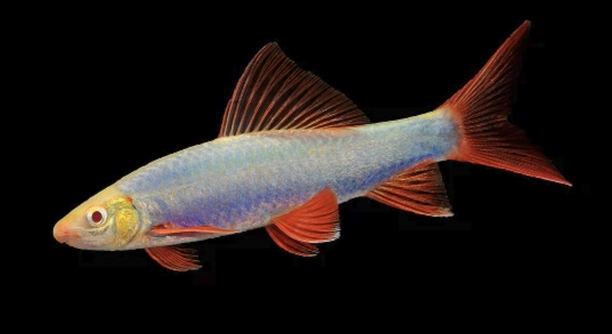
Is your rainbow shark acting sluggish or refusing to swim around like it usually does? It might be more than just a passing phase. These fish are active by nature, so changes are worth noticing.
The most common reason your rainbow shark isn’t swimming properly is stress caused by poor water quality, inadequate tank size, or aggressive tank mates. These environmental factors can impact their behavior and overall health significantly.
Understanding why your rainbow shark behaves this way can help you take the right steps to improve its environment and wellbeing.
Poor Water Quality
Rainbow sharks are sensitive to their environment. When ammonia or nitrate levels are too high, they can become stressed and inactive. Dirty water affects their gills and limits oxygen, which makes swimming harder. If the tank isn’t cleaned regularly, or if overfeeding is a problem, the water can turn harmful quickly. A lack of proper filtration also leads to poor conditions. You may not always see cloudy water, but the toxins can still build up. Testing the water weekly helps prevent this. Keep the pH between 6.5 and 7.5 and the temperature between 75–81°F to keep them comfortable.
A healthy tank means regular maintenance. Clean it weekly, avoid overfeeding, and change 25% of the water often.
A drop in water quality can impact your rainbow shark’s health fast. Once toxins rise, their behavior shifts. They may become inactive, hide more, or show odd swimming patterns. While they can tolerate minor changes, long-term exposure to unclean water affects their strength and energy levels. If their gills look inflamed or their colors fade, it’s time to act. Using a water testing kit regularly helps you stay ahead of problems. Good filtration, steady temperature, and a balanced feeding schedule can keep them active and thriving in their tank.
Incompatible Tank Mates
Aggressive or fast-moving fish can intimidate your rainbow shark and cause them to hide or stop swimming.
Rainbow sharks need space and calm surroundings. They are territorial by nature and tend to do best either alone or with peaceful bottom dwellers that won’t compete for the same space. When placed in a tank with other aggressive or semi-aggressive fish, they may stop swimming to avoid confrontation. Even fish that seem harmless can provoke them if they crowd the same areas of the tank. This creates constant stress. A stressed shark becomes less active and may spend most of its time hiding behind plants or decorations. Choose tank mates wisely—slow, peaceful fish that occupy different tank zones work best. Zebra danios, mollies, or cory catfish can be good options. Also, ensure the tank has plenty of hiding spots and territory boundaries to reduce tension. This setup supports more natural, active behavior.
Poor Water Quality
Rainbow sharks are sensitive to their environment. When ammonia or nitrate levels are too high, they can become stressed and inactive. Dirty water affects their gills and limits oxygen, which makes swimming harder. If the tank isn’t cleaned regularly, or if overfeeding is a problem, the water can turn harmful quickly. A lack of proper filtration also leads to poor conditions. You may not always see cloudy water, but the toxins can still build up. Testing the water weekly helps prevent this. Keep the pH between 6.5 and 7.5 and the temperature between 75–81°F to keep them comfortable.
A healthy tank means regular maintenance. Clean it weekly, avoid overfeeding, and change 25% of the water often.
A drop in water quality can impact your rainbow shark’s health fast. Once toxins rise, their behavior shifts. They may become inactive, hide more, or show odd swimming patterns. While they can tolerate minor changes, long-term exposure to unclean water affects their strength and energy levels. If their gills look inflamed or their colors fade, it’s time to act. Using a water testing kit regularly helps you stay ahead of problems. Good filtration, steady temperature, and a balanced feeding schedule can keep them active and thriving in their tank.
Incompatible Tank Mates
Aggressive or fast-moving fish can intimidate your rainbow shark and cause them to hide or stop swimming.
Rainbow sharks need space and calm surroundings. They are territorial by nature and tend to do best either alone or with peaceful bottom dwellers that won’t compete for the same space. When placed in a tank with other aggressive or semi-aggressive fish, they may stop swimming to avoid confrontation. Even fish that seem harmless can provoke them if they crowd the same areas of the tank. This creates constant stress. A stressed shark becomes less active and may spend most of its time hiding behind plants or decorations. Choose tank mates wisely—slow, peaceful fish that occupy different tank zones work best. Zebra danios, mollies, or cory catfish can be good options. Also, ensure the tank has plenty of hiding spots and territory boundaries to reduce tension. This setup supports more natural, active behavior.
Lack of Hiding Spaces
When rainbow sharks don’t have enough hiding spots, they often feel exposed. This can make them anxious and unwilling to swim freely. They need caves, plants, and decorations to claim as their own. Without these, they may stay still or hide constantly to feel safe.
Adding hiding places helps reduce stress. You don’t need anything fancy—ceramic pots, driftwood, or dense plants work well. Make sure the tank has several areas where your shark can retreat without being disturbed. This simple change often encourages more natural movement and behavior throughout the day.
Improper Tank Size
A small tank can make your rainbow shark feel cramped and restricted. These fish are active swimmers and need room to explore and claim territory. Keeping them in anything under 50 gallons often leads to frustration and aggression. When they feel confined, they may stop swimming or show signs of stress like erratic movement or hiding. A tank that’s too small can also worsen water quality more quickly, adding to the problem. To keep your shark active and healthy, always choose a tank that provides space to swim, rest, and retreat comfortably.
Illness or Injury
Illness or injury can quickly affect a rainbow shark’s activity level. Watch for signs like clamped fins, loss of appetite, or labored breathing. If you notice these, test the water, isolate the fish, and consult a vet or pet store for treatment options.
FAQ
How can I tell if my rainbow shark is stressed?
A stressed rainbow shark often stops swimming as much and may stay hidden for long periods. You might also notice faded colors, clamped fins, or erratic swimming. Some will even refuse food. If your fish used to swim confidently but now avoids open areas or acts skittish, it’s likely feeling pressure from its surroundings. Changes in behavior are the most reliable clue. Check water parameters, tank setup, and tank mates if you suspect stress. Addressing these factors can usually help your fish regain normal behavior.
What size tank does a rainbow shark really need?
A rainbow shark needs at least a 50-gallon tank to swim freely and claim its territory. Smaller tanks make them feel cramped and can cause them to become aggressive or withdrawn. These fish grow up to six inches long and need open swimming space as well as hiding areas. A long tank is better than a tall one, as it gives them more room to explore along the bottom. Choosing the right size tank early on helps prevent behavior issues later and keeps your shark more active and healthy overall.
Can rainbow sharks live with other bottom-dwellers?
Yes, but it depends on the fish. Rainbow sharks are territorial, especially toward fish that stay near the bottom like themselves. However, peaceful bottom-dwellers that don’t invade their space too much can work. Cory catfish or kuhli loaches are often good choices because they tend to mind their own business. Avoid red-tailed sharks or other aggressive bottom fish. It’s also important to have enough room and hiding places in the tank so each fish can claim its own area without too much overlap.
Why is my rainbow shark hiding all the time?
Constant hiding is usually a sign of stress. It could be poor water quality, loud surroundings, aggressive tank mates, or not enough hiding spots. While rainbow sharks do like a little privacy, they shouldn’t be out of sight all day. If they are, something is bothering them. Check your water parameters first, then observe how the other fish in the tank behave. If one fish is chasing or nipping, that could be the cause. Adding more plants or caves can also help the shark feel safer and encourage it to come out.
What should I feed a rainbow shark to keep it healthy?
Rainbow sharks are omnivores, so they need a mix of plant-based and protein-rich foods. Algae wafers, sinking pellets, and vegetables like blanched zucchini are good staples. You can also feed them bloodworms or brine shrimp once or twice a week for variety. Don’t overfeed—they do best with small portions once or twice a day. Uneaten food can quickly affect water quality, which in turn impacts their health and behavior. Stick to a regular feeding schedule and remove excess food within a few minutes.
Can lighting affect my rainbow shark’s behavior?
Yes, lighting can play a role. Too much light can stress them out, especially if there’s not enough cover or plants to break it up. A well-balanced lighting schedule that mimics day and night helps them feel secure. Use a timer to keep things consistent—8 to 10 hours of light per day is usually enough. Also, avoid placing the tank where it gets a lot of natural sunlight, as this can heat the water and throw off the rhythm. Good lighting, balanced with shade, helps support a calm and active fish.
How long does it take for a stressed rainbow shark to recover?
It depends on what caused the stress. If the issue is minor—like poor water quality—and you fix it quickly, your shark might start acting normal again in a day or two. If it’s been exposed to long-term stress or injury, it may take a week or more to fully recover. You’ll notice improvement as it starts swimming more, eating, and exploring again. Keep the environment stable and watch closely for changes. Avoid making too many adjustments at once, as this can delay the recovery process. Patience is key.
Taking care of a rainbow shark means paying close attention to its environment and behavior. These fish are active and need specific conditions to swim comfortably. When they stop swimming properly, it usually points to problems in their tank or health. Poor water quality, tank size, aggressive tank mates, and lack of hiding spots are common reasons for this change. By understanding these issues, you can make the necessary adjustments to improve your fish’s wellbeing. Regular water testing and maintenance are essential to keep the environment clean and safe. This simple care routine goes a long way in keeping your rainbow shark active and healthy.
Providing enough space is also very important. Rainbow sharks need room to swim and explore. A small or overcrowded tank limits their movement and increases stress levels. Adding plants, caves, or decorations helps them feel secure and reduces anxiety. Their natural behavior includes claiming territory and hiding when they feel threatened. Ensuring the tank is large enough and has places to retreat can encourage them to swim freely and reduce aggressive encounters with other fish. Choosing compatible tank mates and avoiding overcrowding makes a big difference in their daily activity. A well-planned tank setup supports both their physical and mental health.
Finally, monitoring your rainbow shark’s health closely is vital. Illness or injury can cause them to stop swimming or hide more often. Watching for changes in appetite, color, or fin condition helps catch problems early. If you notice signs of illness, take quick action by checking water quality and seeking advice if needed. Feeding a balanced diet and maintaining a stable environment supports recovery and overall wellness. Understanding these basics will help you enjoy a vibrant, active rainbow shark in your aquarium for years to come. Taking the time to meet their needs shows in their behavior and lifespan.

Hello,
If you enjoy the content that we create, please consider saying a "Thank You!" by leaving a tip.
Every little bit helps us continue crafting quality advice that supports the health, happiness, and well-being of pets around the world, for pets of all shapes, sizes, and species.
We really appreciate the kindness and support that you show us!