
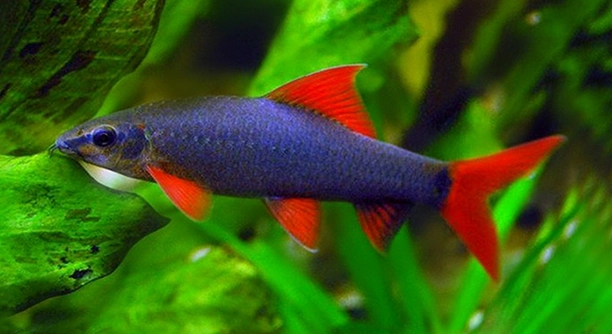
Is your rainbow shark chasing other fish around the tank or acting aggressively near its hiding spot? You’re not alone. Many aquarium owners struggle with territorial behavior, especially when housing rainbow sharks in a community tank.
Territorial behavior in rainbow sharks can be prevented by managing tank size, adding visual barriers, limiting aggression triggers, and introducing tankmates with caution. Proper habitat setup and behavior monitoring are essential for maintaining a peaceful and balanced aquarium environment.
Understanding how to reduce stress and provide the right environment can make a big difference for your rainbow shark’s behavior.
Give Your Rainbow Shark Enough Space
Rainbow sharks need space to swim and explore without feeling crowded. A tank that is too small can cause them to become territorial and aggressive. A minimum of 55 gallons is recommended for one rainbow shark. This gives them room to establish their space without threatening other fish. When the tank is too small, they may claim the entire area as their territory, leading to chasing and stress. Larger tanks also help reduce stress for all fish by offering more hiding spots and less interaction. Avoid placing multiple rainbow sharks in the same tank unless it is very large.
A cramped tank can trigger territorial behavior quickly. Giving your fish the right amount of space helps reduce aggression and supports healthier tank dynamics overall.
When I upgraded my tank to 75 gallons, I saw a major difference in my rainbow shark’s behavior. He stopped chasing others and stayed calm throughout the day. Bigger tanks allow more room to swim and create clear boundaries. The other fish seemed more relaxed too. I also added some tall plants and rocks, which helped break the line of sight and gave everyone a place to hide. It’s a simple change, but the extra space truly matters in reducing aggression.
Choose Tankmates Carefully
Rainbow sharks are semi-aggressive and can be territorial, especially with certain fish. Choosing calm, fast-moving tankmates that swim in different areas of the tank helps avoid conflict.
Avoid keeping rainbow sharks with slow or bottom-dwelling fish, as they may be seen as competition for territory. Fish that stick to the upper or middle areas of the tank are usually a better match. Species like barbs, danios, and rasboras often do well, especially in larger groups. These fish are quick and can escape easily if needed. Aggressive or fin-nipping species should also be avoided to prevent tension. Make sure to introduce new fish when the rainbow shark is young, if possible, so it gets used to sharing space. Adding everyone to the tank at once can help reduce territorial issues, too. A peaceful tank starts with smart stocking choices and observation during the first few days after introducing new fish.
Provide Plenty of Hiding Spots
Rainbow sharks feel safer when they have places to hide. Caves, tunnels, rocks, and plants help them claim their own space without needing to fight for it. A well-decorated tank reduces stress and keeps aggressive behavior under control.
In my experience, adding caves and dense plant clusters helped my rainbow shark settle down. He picked one spot near a driftwood tunnel and stayed close to it. This kept him from swimming around looking for trouble. Hiding spots also gave other fish a way to escape when needed. When each fish has somewhere to go, they aren’t forced into each other’s space. Make sure decorations are spread throughout the tank so one fish doesn’t claim everything. Use a mix of materials and create shaded areas to make them feel secure. A simple rearrangement can help calm down aggressive behavior quickly and make the tank feel balanced.
I noticed fewer problems once I added more cover. I used tall artificial plants in the back and stacked flat rocks to form ledges. Fish often retreated into these spaces and came out when they felt safe. Rainbow sharks like having an area they can call their own. Without it, they become more active and territorial. Giving them hiding options helps reduce that need to defend open space constantly. It also prevents other fish from being chased around all day. Even shy fish started to swim more freely once they had places to rest and hide. It really changed the tank’s atmosphere.
Rearrange the Tank Occasionally
Changing the layout of the tank helps reset territorial boundaries. Rainbow sharks rely on landmarks to claim their space, and when those change, they often adjust their behavior. Rearranging helps reduce long-term aggression and creates a fresh environment for all fish.
Every few weeks, I move a few plants or rocks around the tank. It doesn’t have to be a full change—just enough to shift the layout. Each time I did this, my rainbow shark acted less aggressive for a while. It distracted him and caused him to explore again instead of guarding one spot. This method works especially well when adding new fish, as it prevents the shark from feeling like its space is being invaded. Be careful not to stress the fish too much during the process. Make slow, gentle changes to avoid stirring up the water too much or disturbing the filter. Small adjustments really do help.
Avoid Overcrowding the Tank
Too many fish in one tank creates stress and leads to territorial behavior. Rainbow sharks need space to move freely without constant interaction. Keeping the fish count low helps maintain peace and gives each fish room to establish its own space.
I learned that even a few extra fish can cause problems. Once I added too many small fish, my rainbow shark became restless and more aggressive. Reducing the number helped quickly. It’s better to keep the tank lightly stocked, especially when housing semi-aggressive species like rainbow sharks.
Maintain Stable Water Conditions
Rainbow sharks are sensitive to sudden changes in water quality. If ammonia or nitrate levels spike, they can become stressed, which often leads to territorial behavior. Keep the water clean and stable with regular maintenance, proper filtration, and weekly testing. I noticed my rainbow shark was calmer once I started doing 25% water changes each week and made sure the temperature stayed consistent. A clean tank helps all fish stay healthy and reduces the chance of aggression. Stressful water conditions make fish act out, so staying on top of maintenance is an easy way to improve their behavior.
Feed a Balanced Diet
Feeding high-quality food helps reduce stress and supports good behavior. I use a mix of sinking pellets, algae wafers, and occasional frozen treats. A healthy fish is less likely to become aggressive, especially during feeding times.
FAQ
Can I keep more than one rainbow shark in the same tank?
Keeping more than one rainbow shark in a home aquarium is usually not a good idea. These fish are naturally territorial and do not tolerate their own kind well in confined spaces. Unless the tank is very large—over 125 gallons—with plenty of hiding spots and clear zones for each fish, they will likely fight. I tried it once in a 75-gallon tank, and one shark constantly chased the other until I had to remove it. It’s best to keep just one rainbow shark per tank unless you’re experienced and have the right setup.
What fish can live peacefully with a rainbow shark?
Choose fast-swimming, mid- to upper-level fish that are peaceful and not too small. Barbs, rasboras, and danios are usually good tankmates. Avoid other bottom-dwelling fish like plecos, loaches, or catfish that may compete for the same space. Also avoid slow or long-finned species like angelfish or guppies. I’ve had the best luck with tiger barbs and giant danios. They’re quick, stay out of the shark’s way, and rarely trigger aggression. A well-planned tankmate list helps keep the peace and reduces stress for all the fish.
Why is my rainbow shark suddenly acting aggressive?
A change in behavior often means something has changed in the tank. This could be a new fish, a rearranged layout, or a shift in water quality. Even something as small as a bright light or a noisy filter can stress them out. I once changed the lighting in my tank, and the shark started chasing others again. When I dimmed it back down and added more plants, things improved. Always check for environmental changes when aggression increases. Water tests, recent additions, or noise levels can all be important clues.
Do rainbow sharks get more aggressive as they get older?
Yes, rainbow sharks tend to become more territorial as they mature. Juveniles are usually more tolerant and curious, but that changes as they grow. Mine became noticeably more aggressive after the first year. He started guarding one side of the tank and chased anything that entered that area. Older sharks want more control over their space, so giving them consistent structure, hiding places, and enough room is very important. Plan your tank with their adult behavior in mind to avoid future problems.
What should I do if my rainbow shark is bullying other fish?
First, identify what may be causing the behavior. Check tank size, hiding spots, water quality, and tankmates. If everything seems fine, try rearranging the tank to disrupt established territories. Sometimes, adding more visual barriers can also help. In one case, I added more caves and changed plant placement, and it reduced the chasing. If none of this works, you may need to rehome the rainbow shark or the bullied fish. Avoid letting the situation continue too long, as stress can lead to illness or death in weaker fish.
How can I tell if my rainbow shark is stressed?
Look for changes in color, erratic swimming, loss of appetite, or hiding more than usual. If your shark is chasing other fish constantly, it’s often a sign of stress rather than aggression. My rainbow shark once turned pale and wouldn’t come out from behind a rock. It turned out the water temperature had dropped several degrees. After correcting it, his color returned and he swam normally again. Always monitor your fish for behavioral changes and act quickly when something seems off.
How often should I feed my rainbow shark?
Feed them once or twice a day, but don’t overfeed. Offer just enough food that they can eat within a couple of minutes. I feed mine a mix of sinking pellets in the morning and frozen bloodworms twice a week. Too much food leads to waste buildup and can affect water quality, which in turn can make the fish aggressive or sick. Keeping a routine and offering variety helps maintain a healthy, balanced fish with better behavior overall.
Can rainbow sharks live in community tanks long-term?
Yes, but only under the right conditions. The tank must be large, with plenty of swimming space, hiding areas, and compatible tankmates. I’ve kept my rainbow shark in a community tank for over two years without serious issues by keeping a close eye on his behavior and making changes as needed. As long as you plan carefully and stay on top of maintenance, it’s possible to keep a rainbow shark happy in a shared space. Regular monitoring is key.
Final Thoughts
Rainbow sharks can be a beautiful and interesting addition to a freshwater tank, but they require careful planning and attention. Their territorial nature means they do best in well-sized tanks with the right environment and carefully selected tankmates. A peaceful setup depends on how well you understand their behavior and meet their needs. When given enough space and a stable home, rainbow sharks often become less aggressive and more predictable. They still enjoy exploring and swimming actively, but they are less likely to chase or bother other fish when they feel secure.
Many problems can be avoided by keeping things simple and consistent. A clean tank, steady water conditions, and a thoughtful layout all go a long way. Adding hiding places, rearranging the tank from time to time, and avoiding overcrowding can reduce stress for your rainbow shark and other fish. Feeding a balanced diet and monitoring for signs of stress also help support calm behavior. It’s important to remember that no two fish are exactly the same—what works for one setup might need adjusting in another. Regular observation and small changes based on behavior can make a big difference.
Keeping a rainbow shark takes some extra effort, but it can be rewarding. Once you learn how to manage their space and create a peaceful tank, they tend to settle into a routine. Their unique appearance and energy add life to the aquarium without too much trouble when properly cared for. If aggression does appear, it’s often a sign that something in the tank needs adjustment. With patience and the right setup, rainbow sharks can live comfortably in community tanks. Making small changes to support their behavior helps create a balanced tank for all the fish inside.

Hello,
If you enjoy the content that we create, please consider saying a "Thank You!" by leaving a tip.
Every little bit helps us continue crafting quality advice that supports the health, happiness, and well-being of pets around the world, for pets of all shapes, sizes, and species.
We really appreciate the kindness and support that you show us!