
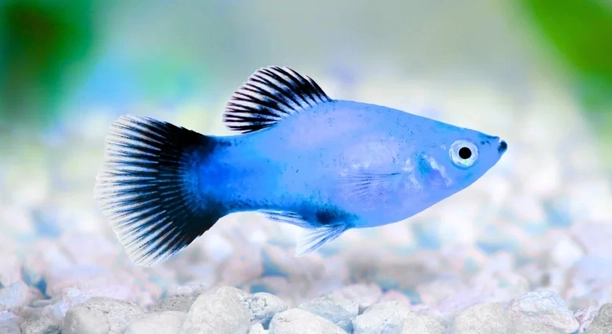
Do you ever wonder if platies prefer a calm space or a lively tank? Many fish owners want to create the best environment for their colorful platies to thrive. Understanding their comfort can help improve their well-being.
Platies generally prefer a quiet environment with minimal disturbances. Excessive noise or sudden activity can cause stress and negatively affect their health and behavior. Maintaining a calm and stable tank environment supports their natural habits and overall vitality.
Knowing how noise levels impact platies can guide you in setting up their tank. This knowledge helps ensure your fish feel secure and comfortable in their home.
How Noise Affects Platies
Platies are small, peaceful fish that thrive in stable environments. Sudden loud noises or constant tapping on the tank can startle them, leading to stress. Stress weakens their immune system, making them more vulnerable to disease. When platies feel unsafe, they may hide more often or stop eating properly. A quiet tank helps them feel secure and comfortable, encouraging natural behavior like swimming freely and interacting with tank mates. It’s important to place their aquarium away from high-traffic areas or noisy appliances. Dim lighting and soft background sounds can also reduce stress. By controlling noise, you help create a peaceful habitat that supports their health and happiness over time.
Minimizing sudden loud sounds near the tank can prevent unnecessary stress for your platies.
Maintaining a calm environment means avoiding sudden movements or banging around the aquarium. Even the vibrations caused by heavy footsteps can disturb sensitive fish. Small changes, like closing doors gently and lowering voice volume near the tank, improve their comfort. Quiet surroundings also reduce aggressive behavior among tank mates, which is common when fish feel threatened. Consistent conditions allow platies to thrive and display their vibrant colors fully. If noise levels must be higher, consider adding plants or decorations that absorb sound and provide hiding spots. Creating these calm areas within the tank helps platies feel safe and lowers stress-related behaviors.
Busy Environments and Platies
Platies can tolerate some activity but not constant chaos.
A tank with lots of movement from other fish or frequent human activity can make platies anxious. Too much activity may cause them to dart around or hide, which wastes energy. It’s best to balance a lively tank with quiet moments to avoid overwhelming them. Decorations that provide shelter offer places to retreat when the environment feels too busy. This balance helps platies stay calm yet engaged, promoting better health and natural behavior. Understanding how much activity your platies can handle helps you create a tank they enjoy living in.
Creating a Quiet Space for Platies
Choosing the right location for your tank is essential. A quiet corner away from loud appliances and busy rooms works best.
Tank placement affects how much noise and vibration your platies experience daily. Placing the aquarium near doors, televisions, or speakers can increase stress levels in fish. It’s helpful to keep the tank on a stable surface to reduce vibrations from footsteps or nearby furniture movement. Adding soft furnishings like rugs or curtains near the tank can also absorb sound, making the environment calmer.
Inside the tank, using plants and decorations helps create natural hiding spots. These shelters allow platies to retreat when they feel overwhelmed. The more places they have to hide, the safer they feel. This setup reduces stress and promotes healthy behavior. Quiet surroundings combined with secure spots help platies relax and thrive.
Signs Your Platies Are Stressed
Restlessness and hiding are common stress indicators in platies.
If platies swim erratically, stay hidden, or stop eating, these are signs of discomfort. Stress affects their immune system, leading to illness or faded colors. Other signs include rapid gill movement or clamped fins.
Watching how your platies behave daily helps catch early stress signs. Addressing noise or environmental issues quickly improves their condition. Making the tank quieter or adding more hiding places often calms stressed fish. Regular observation ensures platies stay healthy and comfortable in their tank.
Managing Tank Noise
Using a quiet filter can reduce noise significantly. Some filters produce vibrations that stress platies.
Adding foam pads under the filter or tank stand helps absorb sound. Keeping equipment well-maintained also prevents extra noise caused by wear and tear.
Adjusting Light and Sound Levels
Bright lights and loud noises together increase stress. Dimming lights and reducing background sounds create a peaceful setting for platies.
A calm environment encourages natural behavior and better health, so adjusting these factors is important for their well-being.
Using Plants to Reduce Stress
Live plants provide shelter and help absorb sound inside the tank. They create a natural environment that feels safer for platies.
FAQ
Do platies need complete silence to be comfortable?
Platies do not require total silence, but they do need a generally calm environment. Occasional household noises are normal and usually won’t bother them. However, constant loud sounds or vibrations can stress them. It’s best to avoid placing the tank near noisy appliances or high-traffic areas to keep their environment peaceful.
Can loud music or TV affect my platies?
Loud music or TV volume close to the tank can disturb platies, especially if the sound causes vibrations. Platies have sensitive hearing and can react negatively to sudden or constant loud noises. If you enjoy music or watching TV near the tank, keep the volume low or place the aquarium in a quieter room.
How do I know if my platies are stressed from noise?
Signs of noise-related stress include hiding for long periods, erratic swimming, loss of appetite, or faded colors. You might also notice clamped fins or rapid breathing. Watching their behavior carefully helps identify stress. If these signs appear, consider reducing noise and vibrations around the tank.
Are platies okay with a busy tank full of other fish?
Platies tolerate other fish but prefer a balanced environment. A tank crowded with fast-moving or aggressive fish can cause stress. Providing enough space, hiding spots, and calm tank mates helps platies feel secure. Avoid mixing them with very aggressive or very large species.
Does the location of the tank really impact platies’ comfort?
Yes, the tank’s location plays a big role in platies’ well-being. Tanks near noisy areas, heavy foot traffic, or sudden light changes increase stress. A quiet corner with stable temperature and lighting keeps them comfortable. Moving the tank can reduce disturbances and help fish relax.
Will decorations help platies handle a noisy environment?
Decorations like plants, caves, and rocks offer hiding places that help platies feel safe when noise levels rise. These provide visual barriers that reduce stress and give fish places to retreat. While decorations don’t eliminate noise, they make the environment less overwhelming for sensitive fish.
Can vibrations from household appliances stress platies?
Yes, vibrations from washing machines, vacuum cleaners, or heavy footsteps can disturb platies. These vibrations travel through floors and surfaces, making fish anxious. Using a sturdy tank stand and placing the aquarium away from these sources helps reduce vibration stress.
Is it better to have background noise or complete silence for platies?
A quiet, steady background noise is generally better than complete silence or sudden loud sounds. Fish can get startled by abrupt noises, so consistent low-level sound, like a soft air pump hum, is less stressful. Total silence isn’t necessary, but calm conditions are key.
How can I make my tank quieter for platies?
Use quieter filters and air pumps designed for low noise. Place foam or rubber mats under the tank and equipment to absorb sound and vibrations. Keep lids closed to reduce external noises. Regularly clean and maintain equipment to avoid extra noise from wear or clogs.
Do platies respond differently to noise based on their age or health?
Younger or weaker platies may be more sensitive to noise and stress. Healthy adults usually handle minor disturbances better, but all fish benefit from a calm environment. Protecting fragile or new fish from loud noises helps them grow strong and stay healthy.
Can I use music or sound therapy to calm platies?
There’s no strong evidence that music or sound therapy benefits platies directly. However, soft, consistent sounds might help mask sudden noises that could startle them. It’s important to keep volume low and avoid high-pitched or abrupt sounds that might cause stress.
What are the best tank mates to keep with platies in a quiet environment?
Peaceful fish like guppies, mollies, or corydoras make good companions for platies. These species share similar water needs and don’t create excessive noise or aggression. Avoid aggressive or very active fish that could disturb the calm environment platies prefer.
How often should I check my tank for noise or stress signs?
Daily observation is best. Watching your platies for any behavior changes helps catch stress early. Regularly check equipment noise and vibrations to keep the environment stable. Quick action prevents long-term health problems caused by stress.
Does temperature affect how platies respond to noise?
Yes, temperature impacts fish metabolism and stress tolerance. If the water is too warm or cold, platies become more sensitive to noise and other stressors. Keeping water temperature stable and within the ideal range (72-78°F) helps them handle environmental changes better.
Are there natural ways to reduce noise stress besides tank placement?
Adding live plants, creating hiding spots, and using soft substrate can help absorb sound inside the tank. Plants improve water quality and provide comfort. Soft furnishings around the aquarium room also reduce external noise. Combining these methods creates a quieter, safer space for platies.
What should I do if I can’t reduce noise around the tank?
If noise can’t be avoided, focus on creating secure hiding places inside the tank. Use decorations and plants to give platies refuge. Consider soundproofing the room with rugs, curtains, or foam panels. Monitoring fish behavior closely allows you to act quickly if stress signs appear.
Can stress from noise cause diseases in platies?
Chronic stress weakens the immune system, making platies more susceptible to infections like ich, fin rot, or fungal diseases. Reducing noise and maintaining a calm environment helps prevent stress-related illnesses. Healthy fish are more resistant to disease and live longer.
How long does it take for platies to recover from noise stress?
Recovery time varies depending on stress severity. Minor stress may clear in a few days once conditions improve. Severe or prolonged stress can take weeks for fish to regain full health. Providing a quiet, stable tank and proper care speeds up recovery.
Is it normal for platies to react to visitors or sudden movements near the tank?
Yes, platies often react to sudden movements or unfamiliar visitors by hiding or swimming quickly. These reactions are natural defense mechanisms. Minimizing sudden disturbances near the tank helps reduce frequent stress responses and keeps platies calm.
Can platies get used to noise over time?
Some platies may become accustomed to regular, low-level noise, but sudden or very loud sounds will still cause stress. It’s better to keep noise minimal to avoid long-term health effects. Consistent calm conditions promote the best environment for platies’ well-being.
Does feeding time noise affect platies?
Noise during feeding can either attract or scare platies depending on volume and frequency. Gentle sounds associated with feeding can become a positive signal. Loud or sudden noises during feeding might cause stress and reduce appetite. Maintaining calm during feeding helps fish feel secure.
Creating the right environment for platies is important for their health and happiness. These small fish prefer calm surroundings with minimal noise and sudden activity. A quiet space helps reduce their stress, making them more active and colorful. When platies feel safe, they swim freely, eat well, and show natural behaviors. Stress from loud sounds or vibrations can weaken their immune system and cause health problems. Paying attention to noise levels around the tank is one of the simplest ways to support your platies’ well-being.
Placing the tank in a quiet corner away from busy areas is an easy but effective step. Avoid locations near loud appliances, heavy foot traffic, or constant vibrations. Inside the aquarium, adding plants and decorations gives platies places to hide and feel secure. These hiding spots help them relax when the environment feels overwhelming. Using quieter equipment and sound-absorbing materials also lowers noise and vibration. Small changes to the tank’s setup and location can greatly improve the overall comfort for your fish.
Regularly observing your platies is key to understanding how they react to their environment. Signs like hiding, erratic swimming, or loss of appetite often point to stress. When you notice these, consider what changes might help reduce noise or activity around the tank. Providing a peaceful and stable habitat will allow your platies to thrive. The effort put into maintaining a calm environment is rewarded with healthier, happier fish that bring beauty and life to your home aquarium.

Hello,
If you enjoy the content that we create, please consider saying a "Thank You!" by leaving a tip.
Every little bit helps us continue crafting quality advice that supports the health, happiness, and well-being of pets around the world, for pets of all shapes, sizes, and species.
We really appreciate the kindness and support that you show us!