
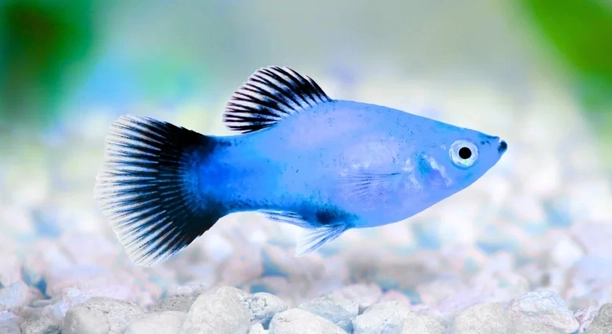
Platies are colorful, lively fish that enjoy a stimulating environment. Adding simple features to their tank can make a big difference in their daily activity. Many fishkeepers look for easy ways to enrich their platies’ home without hassle.
Seven easy tank additions can improve platy enrichment by providing shelter, hiding spots, and interactive elements. These features encourage natural behaviors like exploring and foraging, leading to healthier, less stressed fish in captivity.
Exploring simple tank upgrades can help you create a more engaging and comfortable space for your platies to thrive.
Live Plants for Natural Shelter
Live plants provide platies with places to hide and explore, mimicking their natural habitat. They help reduce stress by offering shade and protection, making the tank feel safer. Plants like Java moss, Anubias, and Hornwort are easy to care for and do not need special lighting. These plants also improve water quality by absorbing nitrates and producing oxygen. When you add live plants, platies often swim through leaves and stems, which keeps them active and curious. The natural look also makes your tank more attractive and inviting. Live plants need occasional trimming and care, but the benefits they bring to your platies’ environment are worth the effort. Choosing hardy plants reduces maintenance and ensures a thriving tank. The plants become part of the fish’s daily life, encouraging natural behavior and interaction with their surroundings.
Adding live plants helps balance the tank’s ecosystem and supports healthier platy fish over time.
Providing natural hiding spots improves platies’ comfort and encourages natural swimming habits.
Floating Decorations
Floating decorations add a new layer of interest to a platy tank. These can be floating plants or artificial objects that drift gently on the surface. Floating plants like Duckweed or Amazon Frogbit give platies shade from bright light and places to rest near the water’s surface. Artificial floating logs or platforms offer similar benefits without extra care. These items create a sense of depth in the tank, making it more stimulating for the fish. Platies often swim beneath floating objects, using them for cover or exploration. Floating decorations can also reduce stress by softening strong light and offering small areas where shy fish can retreat. When selecting floating pieces, consider materials safe for aquarium use that won’t leach chemicals or affect water quality. Regular cleaning is needed to prevent buildup on these surfaces.
Floating decorations enrich the tank’s environment by providing shade, cover, and exploration spots near the surface.
Adding these elements encourages varied swimming patterns and helps maintain a balanced light environment in your platy tank.
Smooth Rocks and Pebbles
Smooth rocks and pebbles create natural hiding spots for platies. They offer surfaces to explore and rest on, adding texture to the tank environment. Using different sizes of stones can help mimic a riverbed or lake bottom, making the tank feel more familiar.
Placing smooth rocks in clusters or scattered across the tank bottom encourages platies to swim around and investigate. These stones also provide shelter where fish can feel safe during rest or when stressed. Rounded edges prevent injury, making them a safe choice. Choosing non-toxic, aquarium-safe rocks is important to avoid harming your fish or altering water chemistry. Regular cleaning helps keep rocks free from algae buildup and debris, maintaining a clean and healthy habitat.
Rocks and pebbles add both function and beauty, encouraging natural behaviors while enhancing the tank’s visual appeal. Their presence helps platies stay active and reduces boredom.
Floating Logs and Driftwood
Floating logs and driftwood create shaded areas and hiding places near the water surface. These pieces help soften the light and offer quiet spots for platies to rest or hide when they feel nervous or overwhelmed. They also contribute to a more natural-looking tank setup.
Driftwood slowly releases tannins into the water, which can slightly lower pH and soften water—conditions many platies prefer. This gentle change can improve their comfort and overall health. Floating logs provide surfaces for biofilm growth, which fish may graze on as a supplementary food source. Both driftwood and floating logs need periodic cleaning to avoid buildup of algae and detritus. Selecting untreated, aquarium-safe wood is essential to prevent harmful chemicals or decay. Adding these elements can make the tank feel more dynamic and closer to the platies’ natural environment.
Caves and Hiding Spots
Caves and hiding spots give platies a sense of security. They help reduce stress by offering safe places to retreat when the fish feel threatened or tired.
These spots also encourage natural behaviors like exploring and resting. Using ceramic or resin caves made for aquariums is best to avoid harming your fish or water quality.
Leaf Litter
Adding leaf litter to the tank mimics a natural riverbed environment. Leaves provide gentle cover and areas where beneficial bacteria and microorganisms can grow, enriching the tank’s ecosystem.
Platies enjoy swimming among the leaves, which offer soft hiding places and foraging opportunities. Use dried Indian almond or oak leaves, which slowly break down and release helpful tannins into the water. This natural addition supports healthy water conditions and adds variety to the tank floor, encouraging natural fish behaviors.
Mirrors and Reflections
Mirrors can stimulate platies by showing their reflections. They often react by swimming actively or displaying playful behavior.
Use mirrors sparingly and only for short periods to avoid stressing the fish or causing aggression among tank mates.
FAQ
What are the best plants to use for platy enrichment?
Hardy plants like Java moss, Anubias, and Hornwort are excellent choices. They don’t require strong lighting and are easy to care for, which makes them perfect for beginners. These plants provide shelter, improve water quality, and encourage natural behavior like exploring and hiding.
Can artificial plants work instead of live plants?
Artificial plants can add color and structure to the tank but do not improve water quality or provide the same biological benefits as live plants. They are easier to clean and don’t require maintenance, but they won’t offer the oxygen production or nitrate absorption that live plants do.
How often should I clean rocks and decorations?
Cleaning depends on algae buildup and debris. Generally, rinse rocks and decorations every two to four weeks during regular tank maintenance. Use tank water to clean them gently, avoiding harsh chemicals that can harm your platies or disrupt water balance.
Are floating logs and driftwood safe for platies?
Yes, as long as the wood is untreated and aquarium-safe. Driftwood releases tannins that slightly soften the water and lower pH, which many platies prefer. Floating logs provide cover and resting areas near the surface. Regular cleaning helps prevent algae buildup.
How do I introduce leaf litter without harming my tank?
Use dried leaves like Indian almond or oak, which break down slowly and release beneficial tannins. Rinse them before adding to remove dust or contaminants. Start with small amounts and monitor water parameters to keep the environment stable for your fish.
Can mirrors cause stress or aggression in platies?
Mirrors should be used sparingly and for short periods. While they can stimulate activity by showing reflections, prolonged exposure might cause stress or aggressive behavior. Monitor your fish’s reactions and remove the mirror if signs of distress appear.
What size should caves and hiding spots be?
Choose caves that are large enough for your platies to swim in comfortably but small enough to feel secure. Smooth edges and non-toxic materials are essential to avoid injury. Variety in shapes and sizes offers different retreat options, which can help reduce stress.
Will these tank additions affect water quality?
Live plants and leaf litter usually improve water quality by absorbing nitrates and releasing tannins. Driftwood also softens water. However, decorations need regular cleaning to prevent algae or debris buildup. Proper maintenance keeps the tank balanced and healthy.
How can I encourage my platies to use enrichment features?
Platies naturally explore new environments. Adding hiding spots and plants gradually allows them to get used to changes. Feeding near these features can encourage interaction. Observing their behavior helps you adjust the setup to better meet their needs.
Is it necessary to change tank lighting when adding plants or floating decorations?
Most hardy plants require low to moderate lighting. Floating decorations may block some light, so adjusting intensity or duration might be helpful. Avoid overly bright light, which can stress platies and encourage algae growth. Balance lighting to suit both plants and fish health.
Adding simple features to a platy tank can greatly improve the fish’s environment. Small changes like adding live plants, smooth rocks, or floating decorations create more natural spaces. These features give platies places to hide, rest, and explore, which helps reduce stress and encourages natural behaviors. When fish feel safe and engaged, they tend to be healthier and more active. Taking the time to add these elements can make a big difference in how your platies live and thrive.
Maintaining the tank properly is important to keep these additions working well. Live plants need occasional care, such as trimming and removing dead leaves, to stay healthy. Rocks and decorations should be cleaned regularly to prevent algae and debris buildup. Floating logs or driftwood require periodic rinsing, too, to keep the water clean. Leaf litter should be monitored as it breaks down, and water quality tested often to avoid any harmful changes. Good maintenance ensures the tank remains a safe and comfortable home for your fish, and that the enrichment features continue to benefit them.
Overall, adding enrichment to your platy tank does not have to be complicated or expensive. Many easy options can bring variety and comfort to your fish’s home. Watching platies explore plants, hide in caves, or swim near floating logs is rewarding and helps you understand their needs better. Thoughtful additions create a balanced and stimulating environment where platies can live happy, healthy lives. Small efforts in tank setup and care can make a lasting positive impact on your aquatic pets.

Hello,
If you enjoy the content that we create, please consider saying a "Thank You!" by leaving a tip.
Every little bit helps us continue crafting quality advice that supports the health, happiness, and well-being of pets around the world, for pets of all shapes, sizes, and species.
We really appreciate the kindness and support that you show us!