
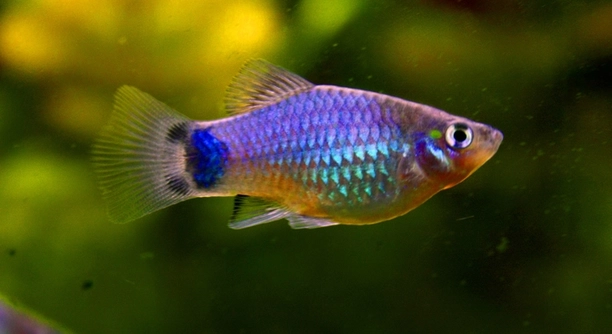
Many aquarium owners enjoy keeping platies for their bright colors and active nature. Sometimes, these fish may behave differently, like refusing to swim upward. This change can be confusing and concerning for fishkeepers.
Platies refusing to swim upward often indicate health issues, stress, or unsuitable water conditions. Factors such as poor water quality, lack of oxygen, illness, or tank setup problems can limit their natural swimming behavior and affect their wellbeing.
Identifying the cause of this behavior is important for restoring your platy’s health. Understanding common reasons behind their swimming habits helps create a better environment for them.
Common Reasons Platies Refuse to Swim Upward
Platies may stop swimming upward due to several environmental or health-related reasons. Poor water quality is one of the main factors. High ammonia or nitrite levels can make fish sluggish and affect their swimming patterns. Low oxygen levels in the water also discourage upward movement. Stress caused by overcrowding or aggressive tank mates may make platies hide near the bottom. Illnesses such as swim bladder disease impact their buoyancy, preventing them from swimming properly. Tank temperature that is too low or inconsistent can slow their metabolism, affecting activity. Checking water parameters regularly and maintaining a clean tank are essential steps to prevent these issues. Feeding habits also play a role; overfeeding can lead to digestive problems that hinder swimming.
Addressing these factors promptly can restore normal swimming behavior. Consistent tank maintenance supports platies’ health and comfort.
Platies rely on a balanced environment to thrive. When water conditions are poor or illness strikes, their natural behavior changes. Swim bladder problems are especially common and can cause them to float awkwardly or sink. Ensuring proper oxygen levels and avoiding overcrowding reduce stress and encourage healthy activity. Adjusting feeding routines and tank temperature creates a stable habitat where platies feel safe to swim freely, including upward movements.
How to Improve Your Platy’s Swimming Behavior
Improving your platy’s swimming starts with regular water testing and maintenance. Keeping ammonia, nitrite, and nitrate levels within safe ranges supports fish health.
Proper filtration and aeration boost oxygen availability, which encourages natural swimming patterns. Observing your fish daily helps catch early signs of illness or stress. When swim bladder disease is suspected, adjusting feeding habits and providing a varied diet may help. If needed, consulting a vet for treatment is advised. Ensuring a spacious tank with compatible tank mates reduces stress and promotes activity. Temperature should be stable between 72°F and 78°F to keep metabolism steady.
With these adjustments, platies can regain their normal swimming habits. Consistency in care creates a safe environment where they feel comfortable moving upward, adding vitality to your aquarium.
Monitoring Water Quality Regularly
Testing water parameters frequently is essential for platy health. Monitoring ammonia, nitrite, nitrate, pH, and temperature helps detect problems early.
Using a reliable test kit, check these levels at least once a week. Ammonia and nitrite should always be at zero. Nitrate must stay below 20 ppm to avoid stress. pH should be stable between 6.8 and 8.0, and temperature needs to be consistent. Sudden changes in any of these factors can confuse or weaken your platy, leading to unusual swimming habits. Regular partial water changes improve water quality and reduce harmful toxins.
Maintaining balanced water parameters keeps your platy comfortable and active. Clean, stable water supports their health and natural behavior, preventing upward swimming refusal.
Adjusting Tank Environment and Care
Proper tank size is important; overcrowding increases stress and aggression. A minimum of 10 gallons is recommended for platies. Filtration must be efficient but gentle to avoid strong currents that tire fish. Adding live plants provides shelter and oxygen, improving water quality naturally. Avoid placing the tank in direct sunlight or near heat sources to keep temperature stable.
Consistent feeding routines help prevent digestive issues that affect swimming. Feed small amounts twice daily, removing uneaten food promptly to avoid water pollution. Observing your platy’s behavior daily allows quick responses to changes. With these care adjustments, your platy can regain healthy swimming habits and enjoy a more natural environment.
Recognizing Swim Bladder Issues
Swim bladder problems often cause platies to struggle swimming upward. This condition affects buoyancy and balance.
Common signs include floating sideways, sinking, or difficulty maintaining position in the water column. Early detection is key to treatment.
Treating Swim Bladder Disease
Swim bladder disease can be caused by constipation, infections, or physical injury. Feeding your platy peas (with shells removed) can help relieve constipation. Keeping the tank clean and maintaining good water quality reduces infection risks. In severe cases, medication prescribed by a vet may be necessary.
Stress Reduction Techniques
Stress can severely impact platy behavior and health.
Reducing stress through calm tank conditions and compatible tank mates helps restore normal swimming patterns.
FAQ
Why is my platy staying at the bottom of the tank?
Platies often stay at the bottom when they feel stressed, sick, or uncomfortable. Poor water quality, low oxygen, or illness can cause this behavior. Check water parameters and look for signs of disease. Improving tank conditions and reducing stress usually help platies swim normally again.
Can swim bladder disease be cured in platies?
Yes, swim bladder disease can often be treated successfully. Changes in diet, like feeding shelled peas, help relieve constipation. Maintaining clean water and proper tank conditions also supports recovery. Infections may require medication prescribed by a vet. Early treatment improves chances of a full recovery.
How often should I test my aquarium water?
Testing water weekly is recommended to maintain a healthy environment. Frequent checks help catch harmful changes in ammonia, nitrite, nitrate, pH, and temperature before they affect your fish. Regular water changes complement testing and keep toxins low.
What temperature is best for platies?
Platies thrive in temperatures between 72°F and 78°F. Stable temperature within this range supports their metabolism and activity. Sudden drops or spikes can stress fish and affect swimming behavior.
Could tank mates affect my platy’s behavior?
Yes, aggressive or overly active tank mates can stress platies, causing them to hide or avoid swimming upward. Ensure your tank has peaceful species that share similar water requirements and space.
How much should I feed my platy?
Feed small amounts twice daily, only as much as they can eat in two to three minutes. Overfeeding pollutes the water and can cause digestive problems affecting swimming.
Why is my platy swimming sideways or upside down?
This is usually a sign of swim bladder issues or illness. Poor diet, infection, or injury can cause buoyancy problems. Adjusting feeding and water quality, and seeking treatment if necessary, can improve their condition.
Can water changes fix swimming problems?
Regular water changes improve water quality by removing toxins and waste, which supports fish health and swimming. Partial changes of 20-30% weekly are ideal to keep the tank stable.
Is overcrowding harmful to platies?
Overcrowding raises stress and competition for oxygen and food. This can lead to sickness and abnormal swimming. Maintain proper tank size, ideally 10 gallons or more for a few platies, to prevent these problems.
How do I know if my platy is stressed?
Signs of stress include hiding, loss of appetite, erratic swimming, or staying near the bottom. Stress results from poor water quality, improper temperature, aggressive tank mates, or overcrowding. Fixing these issues helps reduce stress.
Are live plants beneficial for platies?
Live plants improve oxygen levels, provide hiding places, and reduce stress. They help create a natural environment that encourages healthy behavior, including normal swimming patterns.
When should I see a vet for my platy?
If your platy shows signs of illness such as continuous abnormal swimming, visible injuries, or not eating despite care improvements, consult a vet. Early professional advice increases recovery chances.
Can changes in lighting affect my platy’s swimming?
Yes, sudden or intense lighting can stress platies, causing unusual behavior. Use moderate lighting and maintain a regular day-night cycle to support their wellbeing.
How long does it take for platies to recover from swim bladder disease?
Recovery time varies but can take several days to weeks depending on severity. Consistent care with proper diet, clean water, and stress reduction speeds healing.
Does tank water hardness matter for platies?
Platies prefer moderately hard water (around 10-28 dGH). Extreme hardness or softness can stress fish and affect health. Testing water hardness helps ensure it fits their needs.
Final Thoughts
Platies are generally active and lively fish, and their swimming behavior can tell you a lot about their health and environment. When you notice your platy refusing to swim upward, it usually signals that something is off in their tank or health. Paying close attention to water quality, tank conditions, and feeding habits is important to maintain their wellbeing. Small changes, like cleaning the tank regularly and monitoring water parameters, often make a big difference. Keeping a steady temperature and avoiding overcrowding also helps create a stable environment where platies feel comfortable to swim normally.
Health issues such as swim bladder disease are common causes of abnormal swimming, but they can often be treated with simple adjustments. Feeding shelled peas to relieve constipation or ensuring a balanced diet supports digestion and buoyancy. It’s also important to watch for signs of stress or illness, which can impact swimming behavior. Stress can be reduced by having compatible tank mates, providing enough space, and maintaining consistent lighting and water conditions. If problems persist, consulting a veterinarian who specializes in fish can provide proper diagnosis and treatment.
Creating a healthy aquarium requires regular care and attention, but it is rewarding to see your platies swim actively and happily. By understanding the reasons behind their behavior, you can prevent many common issues and respond quickly when problems arise. This not only improves their quality of life but also makes fishkeeping more enjoyable. Maintaining clean water, stable conditions, and a balanced diet will help your platy thrive and keep its natural, energetic swimming patterns intact.

Hello,
If you enjoy the content that we create, please consider saying a "Thank You!" by leaving a tip.
Every little bit helps us continue crafting quality advice that supports the health, happiness, and well-being of pets around the world, for pets of all shapes, sizes, and species.
We really appreciate the kindness and support that you show us!