
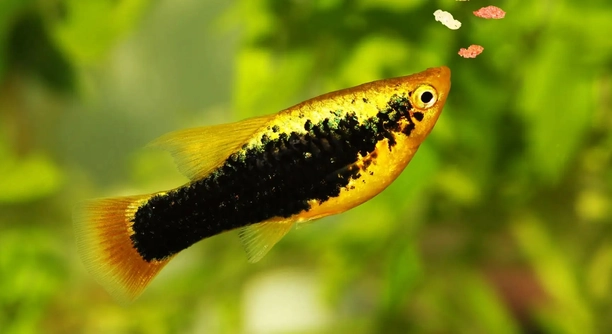
Are your platies showing signs of loneliness despite being in an aquarium? These small, colorful fish thrive in social environments but sometimes seem isolated even when not alone. Understanding their needs can improve their well-being significantly.
Platies are social fish that require appropriate company and environmental conditions to avoid loneliness. Lack of companions, poor tank setup, or stress factors can cause isolation behavior, impacting their health and activity levels in captivity.
Knowing why your platies might feel lonely helps create a better habitat and happier fish. This article highlights key reasons behind their loneliness and practical solutions to address them.
Insufficient Companions in the Tank
Platies naturally live in groups and prefer the company of their own kind. When kept alone or with too few companions, they can become lonely. A single platy in a tank may swim listlessly or hide more often, showing signs of stress. Social interaction is crucial for their mental and physical health. Without enough companions, they may not engage in normal behaviors like chasing or exploring. Adding more platies helps mimic their natural environment and keeps them active and healthy. However, it is important not to overcrowd the tank, as this can cause aggression or water quality issues. A balanced group of at least three to six platies usually works well. Proper tank size and regular maintenance are also important to ensure a comfortable space for socializing. Watching your platies interact can be rewarding and helps identify if loneliness is affecting them.
Too few platies in the tank can lead to loneliness and stress, reducing their activity and affecting their health negatively.
Providing an adequate number of platies is essential for their well-being. Social groups stimulate natural behavior and reduce stress. It is important to introduce fish gradually and ensure the tank is large enough to support multiple platies. Proper care and monitoring help maintain a healthy environment where platies feel secure and engaged.
Lack of Environmental Enrichment
Platies need more than just companions to feel comfortable; their surroundings also play a major role. A bare or simple tank can leave them bored and isolated despite being in a group. Plants, hiding spots, and decorations give them places to explore and feel safe. This reduces stress and encourages natural behaviors. Without environmental enrichment, platies may become withdrawn or lethargic. Providing live or artificial plants, caves, and varied tank features keeps their environment interesting and supports their social interactions. It also helps mimic their natural habitat, which is usually dense with vegetation. Enrichment contributes to better health and happiness by reducing boredom and promoting exercise. Regularly changing or adding elements can keep the tank stimulating and improve your platies’ quality of life. Observing how they respond to changes can guide you in creating a more engaging habitat.
Adding plants and hiding places makes a tank more stimulating and comforting, which supports social behavior in platies.
Environmental enrichment is crucial for platies to prevent loneliness caused by boredom. A well-decorated tank encourages activity and reduces stress. Without it, platies might retreat and avoid social interaction. Simple additions like live plants, rocks, and caves offer shelter and interest. This helps platies feel secure and engaged, improving their overall well-being. Regular updates to the tank layout keep their environment fresh and stimulating.
Stress from Incompatible Tankmates
Platies can feel lonely if housed with aggressive or incompatible fish. Stress from bullying or competition reduces their social behavior and causes withdrawal.
When platies share a tank with aggressive species, they often hide or avoid interaction. This creates an environment where they cannot express natural social behaviors. Stress weakens their immune system and can lead to illness. Choosing peaceful tankmates is essential to maintaining a harmonious aquarium. Community fish like tetras or peaceful gouramis usually coexist well with platies. Avoid large or aggressive species that might dominate the tank. Careful observation after introducing new fish helps ensure compatibility and prevents social isolation.
Stress from tankmates can prevent platies from bonding and cause them to act lonely. Maintaining a peaceful community tank is key to their social health. Providing enough space and hiding spots reduces conflicts and allows platies to interact comfortably.
Poor Water Quality
Dirty or unstable water conditions cause stress and loneliness in platies. Unhealthy water impacts their mood and activity.
Maintaining clean water is crucial for platies’ well-being. Poor water quality causes discomfort, making them less active and less social. Parameters like ammonia, nitrites, nitrates, pH, and temperature must be regularly checked. Frequent water changes and proper filtration keep the environment stable and safe. Stress from bad water weakens their immune system and increases susceptibility to disease. A well-maintained tank helps platies stay lively and sociable.
Platies often hide or act withdrawn in poor water conditions. Clean, stable water promotes their natural behaviors and social interaction. Ensuring consistent water quality improves their mood and reduces loneliness.
Insufficient Feeding Frequency
Platies that are not fed regularly can become lethargic and less social. Hunger reduces their energy to interact and explore.
Regular feeding supports their activity levels and encourages natural behaviors. Skipping meals or feeding irregularly can cause stress and withdrawal, making platies seem lonely and inactive.
Lack of Light
Proper lighting influences platies’ behavior and mood. Too little or too much light can disrupt their natural rhythms and social activity.
Lighting should mimic natural daylight cycles, allowing platies to remain active during the day and rest at night. Consistent light helps regulate their behavior and encourages interaction with tankmates.
Sudden Changes in Environment
Unexpected changes like moving the tank or rearranging decorations can stress platies. This often results in hiding and reduced social behavior.
Platies need time to adjust to new surroundings. Keeping a stable environment helps maintain their comfort and social engagement.
FAQ
Why do my platies hide all the time?
Platies often hide when they feel stressed or unsafe. This can happen due to aggressive tankmates, poor water quality, or lack of hiding spots. Ensuring a peaceful tank, clean water, and adding plants or decorations gives them places to feel secure, reducing their need to hide.
How many platies should I keep together?
It is best to keep at least three to six platies together. They are social fish that thrive in groups. Smaller numbers can cause loneliness, while overcrowding might lead to stress or aggression. Balance the number of fish with tank size to maintain harmony.
Can platies live with other fish?
Yes, platies can live peacefully with many community fish such as tetras, guppies, and peaceful gouramis. Avoid aggressive or larger fish that may bully them. Choosing compatible species helps reduce stress and promotes social behavior among your platies.
What is the ideal tank size for platies?
A 20-gallon tank or larger is ideal for a small group of platies. This size provides enough space for swimming, hiding, and socializing. Smaller tanks can limit their movement and increase stress, leading to loneliness and health problems.
How often should I clean the tank?
Regular cleaning is important for platies’ health. Change 20-30% of the water every one to two weeks. Remove debris and clean filters as needed to keep water quality high. Clean tanks reduce stress and keep platies active and social.
What do platies eat to stay healthy?
Platies are omnivores and need a varied diet. High-quality flakes or pellets, supplemented with live or frozen foods like brine shrimp or bloodworms, help maintain their health. Vegetables like blanched spinach or peas also provide necessary nutrients.
How does lighting affect platies?
Proper lighting regulates platies’ activity and mood. Too much light can stress them, while too little reduces activity. Aim for about 8-12 hours of light daily, mimicking natural daylight. This balance supports their social behaviors and overall well-being.
Can platies get lonely without tankmates?
Yes, platies are social fish that need companions to thrive. Alone, they may become inactive and stressed. Keeping them in groups helps them engage in natural behaviors, reducing loneliness and promoting a healthy life.
What signs show that platies are stressed?
Signs include hiding often, loss of appetite, sluggishness, and faded colors. Stress often results from poor water quality, aggressive tankmates, or inadequate environment. Addressing these factors quickly can help your platies recover and stay social.
How do I introduce new platies to my tank?
Introduce new platies slowly to avoid stress and aggression. Quarantine new fish for a few weeks to prevent disease spread. Gradually acclimate them to the tank water by floating their bag for 15-30 minutes. Adding them during feeding times can help reduce tension.
Is it normal for platies to be inactive sometimes?
Yes, platies may rest or be less active at times, especially at night or after feeding. However, prolonged inactivity or hiding can signal health or environmental issues. Monitoring their behavior regularly helps identify problems early.
What temperature is best for platies?
Platies prefer temperatures between 70°F and 78°F (21°C – 26°C). Consistent temperature within this range supports their metabolism and activity. Avoid sudden temperature changes, which can stress your fish and affect their social behavior.
Can platies live without plants?
While platies can survive without plants, a planted tank improves their comfort and reduces stress. Plants offer hiding places, improve water quality, and simulate their natural habitat. Including live or artificial plants helps keep your platies engaged and less lonely.
How do I reduce aggression in a community tank?
To reduce aggression, provide plenty of hiding spaces, keep a balanced number of fish, and avoid overcrowding. Choose peaceful tankmates and monitor interactions. Sometimes rearranging decorations breaks up territories, decreasing aggressive behavior.
Why is my platy not eating?
Loss of appetite can result from stress, illness, or poor water conditions. Check water quality, tankmates, and feeding routine. Offering varied foods and removing aggressive fish can encourage eating and improve their overall health.
How often should I check water parameters?
Test water at least once a week to monitor ammonia, nitrites, nitrates, pH, and temperature. Maintaining stable conditions prevents stress and disease. Quick response to changes helps keep platies healthy and social.
What is the lifespan of a platy?
Platies typically live 2 to 3 years with proper care. Good water quality, balanced diet, and a stress-free environment extend their lifespan. Regular observation and maintenance support their health and happiness throughout their life.
Can platies breed in a community tank?
Platies breed easily in community tanks. Females give birth to live young. To protect fry, provide dense plants or separate breeding tanks. Managing breeding helps avoid overcrowding and stress among adults.
How do I recognize healthy platies?
Healthy platies are active, have bright colors, clear eyes, and smooth fins. They swim confidently and eat well. Changes in appearance or behavior may indicate illness or stress, requiring attention to care and environment.
Is it necessary to cycle the tank before adding platies?
Yes, cycling the tank establishes beneficial bacteria that break down waste. This process prevents toxic ammonia and nitrite buildup, creating a safe environment for platies. Cycling usually takes several weeks and is critical for fish health.
Understanding why your platies might feel lonely is important for keeping them healthy and active. These fish are social creatures that need the right environment to thrive. Loneliness can affect their behavior and overall well-being. By providing enough companions, proper tank conditions, and a stimulating environment, you can help your platies stay happy. Paying attention to their needs helps prevent loneliness and promotes natural behaviors that make your aquarium lively.
Creating a balanced and comfortable habitat is key. This means having the right number of platies together, choosing peaceful tankmates, and maintaining clean water. Adding plants and hiding spots also helps reduce stress and encourages social interaction. Lighting and feeding routines should mimic natural conditions as much as possible to support their health. Small changes in the tank setup can have a big impact on how your platies behave. Observing their activity and reactions can guide you in making adjustments to improve their environment.
Overall, keeping platies from feeling lonely is about meeting their basic social and environmental needs. Loneliness is often a sign that something in their habitat is missing or not quite right. Regular care, monitoring water quality, and providing a varied diet contribute to their happiness. With the right setup, your platies can thrive together, showing bright colors and active swimming. This makes your aquarium a pleasant place for both the fish and anyone who enjoys watching them.

Hello,
If you enjoy the content that we create, please consider saying a "Thank You!" by leaving a tip.
Every little bit helps us continue crafting quality advice that supports the health, happiness, and well-being of pets around the world, for pets of all shapes, sizes, and species.
We really appreciate the kindness and support that you show us!