
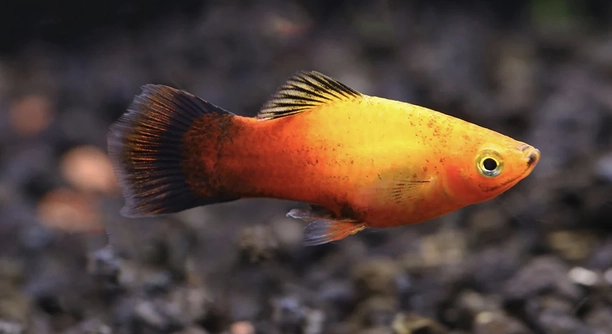
Do your platies seem more restless or easily startled once the lights go out? You’re not alone in noticing this nighttime behavior.
Platies might act skittish at night due to a combination of low light sensitivity, environmental stressors, and changes in water parameters. These factors can trigger anxiety-like responses that cause sudden movements, hiding, or erratic swimming patterns.
Understanding these triggers can help create a more peaceful tank environment and improve your fish’s nighttime comfort.
Sensitivity to Low Light and Sudden Movements
Platies have strong sensitivity to changes in lighting, especially when their environment goes from light to dark quickly. This can make them feel exposed and vulnerable. In the wild, darkness often signals danger from predators, so a sudden drop in light may trigger a natural response to hide or dart around the tank. Even in home aquariums, shadows, passing figures, or flickers from TVs can make them uneasy. If their tank lacks proper hiding spots, the sense of security diminishes, which increases their stress. Creating a gentle lighting routine and adding decor like plants or caves can help them feel safe.
Platies need time to adjust to darkness. Avoid turning off the lights too abruptly and use dim lighting before switching them off completely.
A calm transition from day to night makes a noticeable difference. Even a small night light in the room can ease their adjustment and prevent sudden bursts of anxiety.
Stress from Environmental Changes
Platies don’t respond well to sudden changes in their surroundings. This includes water temperature drops, poor water quality, or a recent rearrangement of tank decorations. Any of these can cause stress, especially after lights go out.
Water parameters can shift slightly during the night, especially if the tank lacks a heater or proper filtration. Cooler nighttime temperatures may stress platies if the drop is too steep. The absence of daytime activity also means there’s less distraction from discomfort. Skittish behavior might increase if they’re already unsettled due to new tank mates or cleaning routines that stirred up debris or disrupted their sense of territory. If decorations were recently moved or the gravel was cleaned too vigorously, it could leave them feeling insecure. Monitoring water quality regularly, keeping the setup consistent, and avoiding unnecessary disruptions during the evening hours can all contribute to a calmer night routine. Taking note of when the behavior started and what changed around that time can help trace the source and ease their restlessness.
Lack of Hiding Spots
Platies feel more secure when they have places to retreat. Without enough hiding spots, they may swim nervously at night, reacting to any motion or noise around the tank.
In a natural environment, fish seek shelter to avoid predators and rest peacefully. When your tank lacks plants, caves, or decorations that provide cover, platies become more alert and agitated once the lights go out. They may dart or hover in corners, constantly looking for a safe place. Adding more live or artificial plants, tunnels, and rocks not only gives them security but also reduces overall stress levels. It’s a simple change that can calm them during nighttime hours and prevent continuous stress buildup.
Even something as basic as tall plants in the back corners of the tank can offer enough shelter to ease their nerves. Ensuring multiple hiding spots at different levels of the tank gives them choices and reduces territorial conflicts.
Nocturnal Tank Mates
Some fish are naturally more active at night and may disturb platies when they are trying to rest. If platies share a tank with nocturnal or aggressive species, they may become jumpy or anxious after dark.
Fish like loaches, certain catfish, or large shrimp can move around more during the night, rustling through the substrate or brushing against resting platies. These interactions may not be aggressive, but they still startle platies who prefer calm during those hours. It’s important to observe whether the nighttime movement is coming from other tank mates and how it affects your platies’ behavior. If you notice consistent restlessness or hiding patterns that weren’t there before, consider separating species with differing activity cycles or adjusting their feeding and light schedules to minimize overlap. Even a gentle species can create discomfort just by being active when platies want peace. Matching tank mates with similar behavior patterns can help maintain a relaxed nighttime environment.
Reflections and Tank Glare
Reflections on the glass can confuse platies, especially when the room is dark but the tank light remains on. They may mistake their reflection for another fish and react with defensive or startled behavior.
Glare from screens or nearby lights can also disrupt their ability to rest. These bright spots create sudden contrasts that make it harder for them to feel secure. Blocking outside lights and adjusting the tank placement may reduce this issue.
Inconsistent Lighting Schedule
A random lighting routine can throw off their internal rhythm and cause confusion at night. Platies rely on consistency to feel comfortable, and sudden or irregular changes disrupt their sense of safety. Try to stick to a regular light cycle each day.
Hunger or Overfeeding
Platies may become active or uneasy if they are still hungry by nighttime. Uneven feeding schedules or overfeeding earlier in the day can also lead to restlessness. Keep feeding times consistent and avoid leaving leftover food in the tank.
FAQ
Why do platies get skittish only at night?
Platies are naturally more cautious in low light because their vision is less effective in the dark. This makes them more vulnerable to predators, triggering a natural survival response. In aquariums, sudden changes in light or disturbances at night can also cause them to react nervously.
Can poor water quality cause night skittishness?
Yes. Poor water quality leads to stress, which makes platies more jumpy and restless. Ammonia, nitrites, or sudden pH changes disrupt their comfort. Regular testing and maintenance keep water stable and reduce nighttime anxiety.
Will adding more plants help calm skittish platies?
Absolutely. Plants and decorations provide hiding places and create a sense of security. This reduces stress and makes platies feel safer at night, preventing them from darting or hiding excessively.
Do platies sleep like other animals?
Platies do rest, but they don’t sleep deeply like mammals. Instead, they enter a state of reduced activity and alertness. They are still sensitive to changes in their environment, which explains why they react to disturbances even at rest.
Is it normal for platies to dart suddenly at night?
Yes, sudden darting is a natural reaction to perceived threats or sudden movements. In darkness, they rely on quick reflexes to avoid danger. Providing a calm environment reduces how often this behavior occurs.
Can feeding affect their nighttime behavior?
Irregular feeding schedules or overfeeding can cause platies to become restless. Hunger may keep them active, while leftover food can degrade water quality. Feeding consistent amounts at set times helps keep them calm.
Are there tank mates that make platies more nervous at night?
Some nocturnal or more active fish can disturb platies when they are trying to rest. Loaches, catfish, or aggressive species can increase stress. Choosing compatible tank mates with similar activity patterns helps maintain peace.
Does tank size influence skittishness?
A cramped tank limits hiding spots and increases stress, making platies more prone to skittish behavior. Larger tanks with varied decor allow more natural behaviors and reduce anxiety.
How can I reduce reflections that bother platies?
Placing the tank away from direct light sources and reducing glare with backgrounds or positioning can minimize reflections. This helps platies avoid confusing reflections for threats.
Should I use a night light in the tank?
A dim night light can help platies adjust to darkness gradually. It reduces sudden changes in lighting and prevents startling reactions without disturbing their rest.
Is it important to keep a consistent light cycle?
Yes. Consistent light and dark periods help regulate platies’ internal clocks. Sudden changes can cause stress and increase nighttime skittishness.
Can stress from handling or tank cleaning cause nighttime anxiety?
Yes, recent disturbances like tank cleaning or handling can leave platies unsettled for hours or days. Minimizing disruptions in the evening and maintaining a steady routine helps them feel safe.
Final Thoughts
Platies are delicate creatures that react strongly to their environment. Their skittish behavior at night is often a sign that something in their surroundings feels unsafe or unfamiliar. This can be caused by changes in light, water quality, tank setup, or even the presence of certain tank mates. Understanding these reasons helps create a calm and comfortable home for them. By paying attention to their needs and adjusting the tank environment, it is possible to reduce their stress and improve their overall well-being.
Maintaining a stable environment is one of the most important steps in helping platies feel secure. This includes keeping the water clean and at the right temperature, establishing a regular light schedule, and providing enough hiding places. Consistency in feeding and tank maintenance also plays a role in preventing sudden changes that might upset them. Even small changes can cause anxiety, so it is important to monitor how your platies respond to any adjustments made in their tank.
Patience is key when working with skittish platies. It may take time for them to become comfortable in their space, especially if they have experienced stress before. Making gradual changes and observing their behavior closely can show what works best for them. A peaceful tank with plenty of shelter and a predictable routine allows platies to relax and enjoy their environment. When their needs are met, they will be less nervous at night and more active during the day.

Hello,
If you enjoy the content that we create, please consider saying a "Thank You!" by leaving a tip.
Every little bit helps us continue crafting quality advice that supports the health, happiness, and well-being of pets around the world, for pets of all shapes, sizes, and species.
We really appreciate the kindness and support that you show us!