
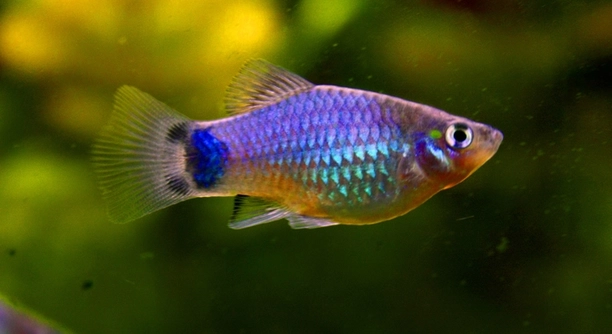
Platies are popular freshwater fish known for their bright colors and peaceful nature. Many keep them in community tanks with various species. Understanding how old tank mates can affect platies’ health is important for any fish owner.
Platies can become sick from old tank mates if those fish carry diseases or parasites. Poor tank conditions or stress caused by incompatible or aggressive old mates also increase the risk of illness. Proper quarantine and tank maintenance help reduce this risk.
Learning about these risks helps you protect your platies and maintain a healthy aquarium environment. The article will explain key factors to consider for your fish’s well-being.
How Old Tank Mates Affect Platies’ Health
Older tank mates can impact platies’ health in several ways. Fish that have been in the tank for a long time may carry hidden diseases or parasites that are not immediately obvious. These infections can spread to platies, especially if the tank conditions are not ideal. Stress also plays a significant role. Aggressive or territorial older fish can cause constant stress to platies, weakening their immune system and making them more vulnerable to sickness. Poor water quality often worsens this effect. Over time, waste buildup and leftover food can lower oxygen levels and increase harmful bacteria, which further jeopardize platies’ health. Regular tank cleaning, monitoring water parameters, and observing fish behavior are crucial steps to reduce these risks and protect your platies.
Maintaining stable tank conditions and limiting stress are key to preventing illness caused by older tank mates.
Paying attention to water quality and fish interactions helps create a safer space for your platies. This care supports their health and encourages peaceful coexistence with older fish.
Signs of Illness from Old Tank Mates
Illness from old tank mates may show through physical and behavioral changes in platies. Common signs include faded colors, clamped fins, and slow movements. They might also lose their appetite or hide more than usual. White spots or unusual growths on their body can indicate infections like ich or fungal diseases. If older tank mates carry parasites, platies may scratch against decorations or the tank walls. Behavioral shifts like increased aggression or lethargy might also appear. Detecting these signs early is important. Ignoring symptoms can lead to severe health decline or even death. Keeping a close eye on all fish helps catch issues before they spread.
A regular health check routine allows for early treatment and better recovery chances for your platies. Preventing disease transmission is easier when signs are caught early.
Observing your platies closely for these symptoms will improve their chances of staying healthy despite sharing space with older fish. Responding quickly can save lives and maintain harmony in your aquarium.
Preventing Disease Transmission from Old Tank Mates
Quarantining new or old fish before introducing them to the main tank helps prevent disease spread. This practice isolates potential infections and gives time to observe symptoms without risking other fish. Clean and disinfect any equipment used between tanks to avoid cross-contamination.
Keeping your tank clean and stable reduces the chance that illnesses will spread. Regular water changes and monitoring water quality are essential. Proper filtration helps remove harmful bacteria and parasites, lowering risks to platies. Stress reduction by providing hiding spots and avoiding overcrowding also plays a vital role in disease prevention.
Using a quarantine tank and maintaining tank hygiene are effective ways to protect your platies from sickness caused by older fish. These steps ensure a healthier environment and limit the impact of any infected fish in the community tank.
Best Practices for a Healthy Community Tank
Separate aggressive or sick old tank mates immediately to prevent harm to platies. Avoid overcrowding by providing enough space and hiding areas for all fish. This setup reduces stress and supports peaceful coexistence.
Regular monitoring of fish behavior and appearance is crucial. Catching illness early can prevent outbreaks in the tank. Maintain consistent water parameters like temperature, pH, and ammonia levels, as fluctuations weaken fish health. Feeding a balanced diet supports the immune system and resilience against diseases.
Implementing these best practices creates a stable and safe environment where platies and their old tank mates can thrive together. Attention to detail and routine care make a significant difference in long-term aquarium health.
Common Diseases Transmitted by Old Tank Mates
Diseases like ich, fin rot, and velvet often spread from older fish to platies. These infections thrive in tanks with poor water quality or stressed fish.
Parasites carried by old tank mates can also infect platies. Identifying symptoms early helps prevent severe outbreaks.
Quarantine Procedures for New and Old Fish
Setting up a quarantine tank allows close observation of new or old fish before mixing them with platies. Keep fish isolated for at least two weeks while monitoring for illness. Use separate equipment and perform water changes regularly to maintain a clean environment. This practice reduces the risk of introducing diseases to the main tank and protects the health of your platies.
Signs of Stress in Platies
Stress in platies can lead to weakened immunity and illness. Look for hiding, loss of appetite, or erratic swimming.
FAQ
Can platies get sick from old tank mates?
Yes, platies can become sick if older tank mates carry diseases or parasites. These illnesses can spread through direct contact or poor water conditions. Stress from aggressive or territorial older fish can also weaken platies’ immune systems, making them more vulnerable to infections.
What are the most common diseases platies can catch from old tank mates?
The most common diseases include ich (white spot disease), fin rot, and velvet disease. Parasites and bacterial infections can also spread if the tank is not clean or if fish are stressed. These conditions often show symptoms like spots, ragged fins, and unusual swimming behavior.
How can I prevent my platies from getting sick due to old tank mates?
Quarantine new or returning fish before adding them to your main tank. Maintain good water quality by doing regular water changes and monitoring water parameters. Keep the tank clean, provide hiding spaces, and avoid overcrowding. Also, observe fish daily for any signs of illness or unusual behavior.
What signs should I watch for that indicate my platies are sick?
Look for changes such as faded colors, clamped fins, lethargy, loss of appetite, or hiding more than usual. White spots or fuzzy patches on their body may indicate infections. Erratic swimming or scratching against objects are also warning signs.
How long should I quarantine old tank mates before reintroducing them?
A quarantine period of at least two weeks is recommended. This allows enough time to observe for signs of illness and to treat any infections before the fish join the community tank.
Can stress from old tank mates cause illness in platies?
Yes, stress from aggressive or dominant older fish can weaken the immune system of platies. Constant harassment or lack of hiding spaces increases stress, making platies more susceptible to diseases.
What water conditions help prevent disease in platies living with older fish?
Stable water temperature, pH between 6.8 and 8.0, low ammonia and nitrite levels, and regular water changes all help prevent disease. Good filtration and oxygenation also support fish health.
Is it safe to keep platies with aggressive old tank mates?
It is risky because aggressive fish cause stress and injuries. If aggressive behavior is observed, separating the fish or moving the platies to a safer tank is best.
How often should I clean the tank to keep my platies healthy?
Perform partial water changes of 20-30% weekly or biweekly. Clean the substrate and remove uneaten food regularly to avoid buildup of harmful bacteria and toxins.
What should I feed platies to keep them healthy while living with older fish?
Feed a balanced diet including high-quality flakes, pellets, and occasional live or frozen foods. Proper nutrition strengthens the immune system and helps fish fight off infections.
Can old tank mates introduce parasites to my platies?
Yes, parasites can be transferred from infected fish to healthy ones, especially in crowded or unclean tanks. Quarantine and treatment are essential to prevent this.
What treatments work if my platies get sick from old tank mates?
Treatments depend on the illness but may include antiparasitic medications, antibiotics, or antifungal treatments. Always diagnose correctly and follow dosing instructions carefully to avoid harm.
How can I reduce stress for platies living with older fish?
Provide plenty of hiding spots with plants or decorations. Keep the tank well-organized with enough space for each fish. Avoid sudden changes in water conditions and maintain a peaceful tank environment.
Are there signs that an old tank mate is causing problems for platies?
Watch for signs like constant chasing, nipping, or territorial behavior from older fish. If platies show stress symptoms or injuries after new or old fish introduction, this is a clear warning.
What should I do if an old tank mate becomes aggressive toward platies?
Separate the aggressive fish immediately to prevent harm. Consider rehoming or moving the fish to a species-specific tank if aggression persists. Ensure platies have safe areas to retreat to.
Can good tank maintenance make old tank mates less risky for platies?
Yes, keeping the tank clean, monitoring water quality, and managing fish behavior greatly reduce health risks. A well-maintained environment supports the immune systems of all fish, including platies.
How important is observing fish behavior in preventing disease transmission?
Very important. Early detection of unusual behavior or symptoms allows quick intervention and reduces the chance of disease spreading to other fish.
Is it better to keep platies with fish of similar size and temperament?
Yes, choosing compatible fish reduces stress and aggression. Platies thrive with peaceful tank mates of similar size that won’t bully or outcompete them for food.
Can old tank mates carry diseases even if they look healthy?
Yes, some fish may carry infections without obvious signs. This is why quarantine and observation are necessary before adding any fish to a community tank.
What steps should I take if my platies show signs of illness from old tank mates?
Isolate the sick fish if possible, test water quality, and start appropriate treatment. Review tank conditions and fish compatibility to prevent future outbreaks. Early action improves recovery chances.
When keeping platies with old tank mates, it is important to recognize the risks involved. Older fish can carry diseases or parasites that may not be obvious at first. These infections can spread quietly and cause serious health problems for your platies. Additionally, stress caused by aggressive or territorial behavior from older fish can weaken the immune system of platies, making them more vulnerable to illness. Paying attention to these factors is crucial for maintaining a healthy tank environment where all fish can thrive.
Proper care and maintenance go a long way in preventing health issues. Regular water changes, good filtration, and monitoring water parameters help reduce the buildup of harmful bacteria and toxins. Quarantining new or returning fish before adding them to the main tank lowers the chance of introducing diseases. Providing hiding spaces and avoiding overcrowding also helps reduce stress. Together, these steps create a safer space for your platies, supporting their well-being even when living alongside older tank mates.
It is also important to observe your fish daily. Watching for early signs of illness or unusual behavior allows you to act quickly and treat problems before they worsen. If aggressive behavior or health issues arise, separating the affected fish may be necessary. Overall, being attentive and proactive in tank management makes a significant difference. With consistent care, your platies can live peacefully and stay healthy, despite sharing their home with older fish.

Hello,
If you enjoy the content that we create, please consider saying a "Thank You!" by leaving a tip.
Every little bit helps us continue crafting quality advice that supports the health, happiness, and well-being of pets around the world, for pets of all shapes, sizes, and species.
We really appreciate the kindness and support that you show us!