
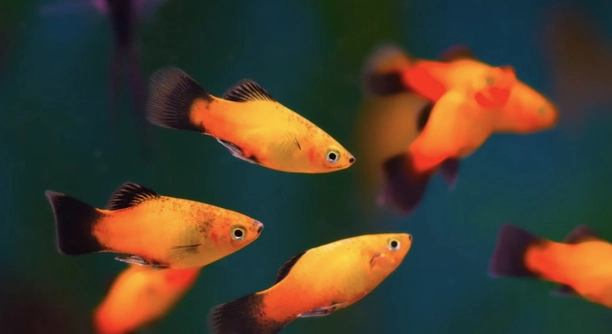
Do you ever notice how platies move around their tanks during quiet moments? Observing their swimming habits can reveal subtle changes in behavior when they are calm and relaxed. These differences might tell us more about their natural instincts and comfort levels.
Platies exhibit slower, more deliberate swimming patterns when relaxed, reducing rapid fin movements and maintaining a steady, gentle glide. This calmer behavior contrasts with their usual active, quick swimming seen during stress or exploration. Such changes reflect their physiological and environmental responses.
Understanding how platies swim differently when calm can help aquarists create better environments and improve fish care. These small behavioral cues offer valuable insights into their well-being and comfort in captivity.
How Relaxation Affects Platy Swimming Patterns
When platies are relaxed, their swimming becomes noticeably calmer and more controlled. They tend to swim slower and stay closer to the bottom or middle levels of the tank. Their fins move gently, and they make fewer sudden turns or bursts of speed. This contrasts with the quick, darting motions seen when they feel threatened or excited. Relaxed platies also spend more time exploring their surroundings calmly rather than rushing around. Their body posture appears more streamlined and less tense, which helps them conserve energy. This behavior shows that platies adjust their swimming style based on their comfort and stress levels. Observing these patterns can help you tell if your platies feel safe and at ease in their environment.
These calmer swimming habits indicate that platies are comfortable and not feeling threatened. It’s a good sign for their health and well-being.
Watching how platies change their movements can be a useful way to understand their mood. When you see slower swimming and smooth fin motions, it usually means your fish feel secure. This makes it easier to know when to adjust tank conditions or reduce disturbances. Creating a peaceful tank environment helps platies maintain this relaxed behavior, supporting their overall health. Paying attention to these subtle cues can improve how you care for your fish.
Environmental Factors That Influence Swimming Behavior
Water temperature, tank size, and decorations all affect how platies swim. Warmer water often makes them more active, while cooler temperatures slow them down. A spacious tank gives them room to swim freely, encouraging natural movement. When the tank has plants or hiding spots, platies tend to swim more cautiously and slowly as they explore safely. Bright lights or loud noises can cause stress, making their swimming quick and erratic. Proper water quality also plays a big role; poor conditions may cause platies to become lethargic or restless. Adjusting these factors helps platies maintain healthy swimming patterns and reduces stress.
Environmental conditions shape platy behavior in many ways.
Maintaining stable and suitable environmental factors is key to keeping platies comfortable. Ideal water temperatures between 72-78°F encourage moderate activity without overstimulation. Providing plenty of hiding spots with plants or decorations helps reduce stress and promotes relaxed swimming. A clean, well-filtered tank with regular water changes keeps water quality high, preventing behaviors linked to discomfort. Avoiding sudden changes in light or noise can help platies stay calm. Monitoring and adjusting these elements will support their natural swimming habits and overall health. Understanding how environment influences behavior can guide better tank setups and improve your fish’s quality of life.
Signs That Platies Are Relaxed While Swimming
Relaxed platies swim with smooth, steady movements. Their fins spread gently without rapid fluttering. They avoid sudden darting or hiding, often exploring calmly around the tank.
These gentle swimming patterns show that platies feel safe. Their body is less tense, and they move in a more balanced way. When relaxed, platies glide steadily and pause often to rest or observe their surroundings. This slower, purposeful swimming helps conserve energy and reduces stress. You might notice them spending more time near plants or decorations, casually checking out their environment without rushing.
Observing these signs can help you tell if your platies are comfortable. Calm swimming usually means the tank environment is suitable. If you notice erratic or frantic swimming, it might indicate stress, poor water quality, or tank disturbances. Keeping a close eye on these behaviors is important for maintaining their health.
How Stress Changes Platy Swimming
Stress causes platies to swim faster and with jerky movements. They may dart suddenly or hide more often, showing anxiety.
When platies feel stressed, their swimming becomes erratic. They may avoid open areas and stick close to tank corners or decorations. Rapid fin movements and quick turns help them escape perceived threats. Stress can be caused by poor water quality, aggressive tank mates, loud noises, or sudden changes in their environment. Prolonged stress affects their appetite and overall health. It’s important to identify these changes early to make adjustments. A calm, stable environment helps platies return to relaxed swimming patterns and supports their well-being.
Feeding Time and Swimming Behavior
Platies often swim more actively when it’s feeding time. They become more alert and swim toward food quickly.
After eating, their swimming slows down as they rest and digest. This change shows how feeding influences their activity levels throughout the day.
Tank Mates and Their Influence on Platy Movement
Tank mates play a big role in how platies swim. Peaceful fish help platies stay calm and swim gently, while aggressive or fast swimmers can cause stress and quick movements. When sharing a tank with compatible species, platies tend to relax more and show natural, steady swimming patterns. In contrast, stressful interactions make platies dart around or hide more often. Choosing the right tank mates creates a peaceful environment that encourages relaxed behavior.
Lighting Effects on Swimming
Bright or flickering lights can make platies swim nervously or hide. Consistent, soft lighting helps them stay calm.
How can I tell if my platies are relaxed?
Relaxed platies swim slowly and smoothly with gentle fin movements. They don’t dart suddenly or hide constantly. You’ll often see them exploring calmly around the tank, pausing near plants or decorations without rushing. Their bodies look less tense, and they maintain a steady, balanced posture as they glide. When they rest or hover in one spot without rapid fin fluttering, it usually means they feel safe and comfortable. Watching for these signs regularly helps you understand your fish’s mood.
Why do platies swim faster sometimes?
Platies swim faster when they feel excited, stressed, or threatened. Sudden noises, aggressive tank mates, or changes in water quality can cause them to dart quickly around the tank. Fast swimming may also happen during feeding time or when they’re exploring new areas. While short bursts of speed are normal, constant fast swimming often signals stress or discomfort. If you notice this behavior frequently, check the tank environment for issues like poor water conditions or overcrowding.
Do platies swim differently at night?
Yes, platies usually swim less and rest more during the night. They slow down their movements and may stay near plants or tank decorations where they feel safe. Since platies are diurnal, meaning active during the day, their activity drops in low light. This resting period helps them conserve energy. Maintaining a natural light cycle in your tank supports their healthy day-night behavior and keeps their swimming patterns balanced.
Can the water temperature affect platy swimming?
Water temperature greatly affects how platies swim. When the water is warm, between 72°F and 78°F, platies tend to be more active and swim smoothly. If the temperature drops too low, their movements slow, and they may become lethargic. High temperatures can also stress them, leading to rapid, erratic swimming. Keeping water temperature stable within the ideal range helps maintain healthy, natural swimming behavior.
What should I do if my platies swim erratically?
If platies swim erratically, first check the water quality. Poor conditions, like high ammonia or nitrite levels, can stress fish. Test the water and perform partial water changes if needed. Next, observe tank mates—aggressive fish may cause stress. Reduce loud noises and sudden movements around the tank. Ensure the tank isn’t overcrowded. Adding plants or decorations for hiding spots can help platies feel secure. Making these changes often calms their behavior and restores normal swimming.
Does feeding affect how platies swim?
Yes, feeding often makes platies swim more actively and gather quickly near the food source. After eating, they slow down and rest, digesting their meal. Providing small, frequent feedings keeps them healthy and avoids overeating, which can cause sluggishness. Watching their swimming before and after feeding can help you spot any unusual behavior related to diet or health.
How do tank mates influence platy swimming?
Tank mates impact platy swimming a lot. Peaceful companions encourage calm, relaxed swimming, while aggressive or fast-moving fish may stress platies and cause erratic swimming or hiding. It’s important to choose compatible species that share similar temperaments and water needs. A peaceful community tank helps platies swim naturally and reduces stress.
Is lighting important for platy swimming behavior?
Lighting affects platy behavior significantly. Bright or flickering lights can make them nervous, causing fast or hiding movements. Consistent, soft lighting mimics their natural environment and encourages calm, steady swimming. Maintaining a regular light schedule with a day-night cycle supports healthy activity patterns.
Can tank size change how platies swim?
Tank size affects swimming behavior because platies need enough space to move freely. A cramped tank limits their natural swimming and can cause stress, leading to frantic movements. A larger tank allows them to explore calmly and maintain relaxed swimming patterns. Providing adequate space is essential for their well-being.
What are common signs of stress in platies’ swimming?
Signs of stress in platy swimming include rapid, jerky movements, constant hiding, staying near the surface or bottom without exploring, and frantic darting. These behaviors often indicate poor water quality, aggressive tank mates, or environmental disturbances. Early detection and improving tank conditions can reduce stress and help restore normal swimming.
Relaxed swimming behavior in platies is an important sign of their overall well-being. When platies swim calmly with smooth, steady movements, it usually means they feel safe and comfortable in their environment. This kind of swimming helps them conserve energy and reduces stress. Watching how your platies move can give you clues about their mood and health. If they swim slower, with gentle fin motions, it is a good sign that the tank conditions are suitable for them. Taking time to observe these small details can help you better care for your fish and make sure they live happily.
Environmental factors have a big effect on how platies swim. Things like water temperature, tank size, lighting, and tank mates all play a role in their behavior. Keeping water clean and within the right temperature range is key to helping platies swim naturally. A spacious tank with plenty of plants or decorations gives them places to explore and hide, which helps reduce stress. Choosing peaceful tank mates also allows platies to swim calmly without feeling threatened. Even the lighting can make a difference—soft, steady lighting encourages relaxed swimming, while bright or flickering lights may cause nervous movements. Paying attention to these details helps create a peaceful home where your platies can thrive.
In the end, understanding how platies swim when relaxed versus stressed can improve how you care for them. Calm swimming is a sign that your fish are healthy and comfortable. When you notice changes like faster swimming or hiding, it may mean something in their environment needs attention. Making small adjustments, such as improving water quality, reducing noise, or adding plants, can help your platies feel more secure. By watching their behavior closely and responding thoughtfully, you support their well-being and enjoy a beautiful, lively aquarium.

Hello,
If you enjoy the content that we create, please consider saying a "Thank You!" by leaving a tip.
Every little bit helps us continue crafting quality advice that supports the health, happiness, and well-being of pets around the world, for pets of all shapes, sizes, and species.
We really appreciate the kindness and support that you show us!