
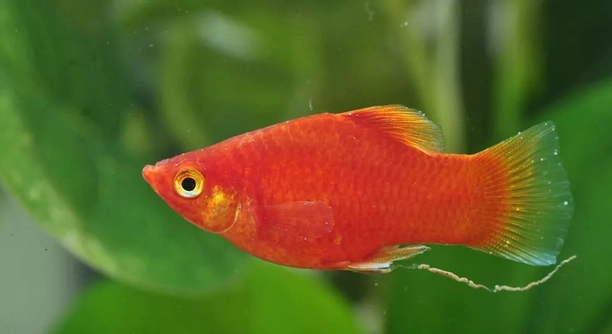
Is your platy fish suddenly resting upside down in the tank? This unusual behavior can be concerning for many aquarium owners. Understanding why this happens is important for keeping your pet healthy and comfortable in its environment.
The primary reason a platy rests upside down is due to swim bladder disorder. This condition affects the fish’s buoyancy, making it difficult to maintain normal swimming posture. Causes include overfeeding, poor water quality, or bacterial infections impacting the swim bladder’s function.
Recognizing the signs early helps prevent further health problems and improves your platy’s wellbeing in its aquatic home.
Common Causes of Swim Bladder Issues in Platies
Swim bladder problems in platies often stem from several key factors. Overfeeding is one of the most frequent causes. When platies consume too much food, especially dry flakes that expand in their stomachs, it can affect their buoyancy. Poor water quality is another major factor. High levels of ammonia, nitrites, or nitrates create a stressful environment that weakens the fish’s immune system. Bacterial or parasitic infections also play a significant role in swim bladder dysfunction. These infections can inflame the swim bladder or other internal organs, disrupting normal swimming. Additionally, sudden temperature changes or lack of proper nutrition can contribute to the problem. Observing your fish closely and maintaining a clean, stable tank environment can prevent many of these issues.
Addressing these causes early ensures your platy has a better chance to recover and return to normal behavior. Keeping feeding routines and water conditions consistent is crucial.
Some platies may develop swim bladder problems from genetic predisposition or injury. It is important to consider all these factors when diagnosing. Regular tank maintenance and balanced feeding can reduce the risk significantly.
How to Help Your Platy Recover
Immediate steps should focus on improving water quality. Perform partial water changes of about 25-30% to reduce toxins and stabilize conditions. Check temperature and maintain it between 72°F and 78°F, as platies thrive in this range. Avoid overfeeding by offering small amounts of high-quality food once or twice daily. Feeding frozen or live foods like brine shrimp can aid digestion. If constipation is suspected, feeding shelled peas can help clear the digestive tract. Removing stressors such as aggressive tank mates is also important. In some cases, antibiotic treatment may be necessary but should be done with caution and proper advice.
Patience is key when caring for a platy with swim bladder disorder. Improvement may take several days to weeks depending on the cause and treatment. Consistent care, clean water, and proper diet will support recovery. Monitoring your fish’s behavior and condition helps catch recurring problems early. If symptoms persist or worsen, consulting a veterinarian with experience in fish health is recommended. Your attentive care plays a major role in helping your platy regain its balance and vitality.
Preventing Swim Bladder Problems in Platies
Maintaining good tank conditions is essential to prevent swim bladder issues. Regular water changes and proper filtration keep the environment healthy. Avoid overfeeding and provide a balanced diet to support digestive health. Monitoring water temperature and avoiding sudden changes also help maintain your platy’s wellbeing.
Keeping the tank clean by removing uneaten food and waste reduces harmful bacteria growth. Feeding high-quality foods, including occasional live or frozen options, supports nutrition. Avoid feeding only dry flakes as they can cause digestive issues. Regularly testing water parameters like ammonia and nitrate levels helps catch problems early. A stable, stress-free environment lowers the chances of swim bladder disorders, helping your platy stay active and healthy.
Observing your platy daily allows you to spot early signs of distress. Early action can prevent swim bladder problems from becoming severe. Ensuring all tank inhabitants are compatible and not aggressive reduces stress for your fish.
When to Seek Professional Help
If your platy’s condition does not improve after several days of treatment, it may be time to consult a professional. Persistent upside-down swimming, lethargy, or loss of appetite indicate that home care may not be enough. A veterinarian experienced with fish can provide a more accurate diagnosis and recommend specific treatments. Sometimes, underlying infections or internal injuries require medications not available over-the-counter. Ignoring ongoing symptoms can lead to worsening health or death. Early intervention by a professional increases the chances of recovery. Monitoring your fish’s response to initial treatments helps decide when expert advice is necessary. Don’t hesitate to seek help to ensure your platy’s long-term health and comfort.
Signs to Watch For
Swim bladder issues often come with clear signs like your platy floating upside down or struggling to swim properly. Other symptoms include bloating, gas, or resting at the bottom of the tank for long periods. These signs require prompt attention.
Sudden changes in behavior or appetite can also indicate swim bladder problems. Early detection is key to effective treatment and recovery.
Importance of Water Quality
Good water quality is crucial for a platy’s health and preventing swim bladder disorders. Regularly testing and maintaining clean water reduces stress and lowers disease risks.
Proper filtration and regular partial water changes remove toxins and maintain stable conditions, which supports your platy’s buoyancy and overall wellbeing.
Feeding Tips to Avoid Problems
Feeding your platy the right amount and type of food can prevent many swim bladder issues. Offer small portions to avoid overfeeding and use high-quality flakes or pellets.
Including occasional live or frozen foods helps improve digestion. Avoid feeding dry flakes that expand too much in the stomach, which can cause buoyancy problems.
Tank Environment Considerations
A calm and stable tank environment supports your platy’s health. Avoid overcrowding and aggressive fish that cause stress.
Provide plenty of hiding spots and maintain a consistent temperature to create a comfortable habitat for your fish.
FAQ
Why is my platy floating upside down but still eating?
Sometimes platies with swim bladder issues can still have a healthy appetite. Their buoyancy problems affect swimming but not always eating. This suggests mild swim bladder dysfunction or early stages of illness. Continue monitoring water quality and feeding habits to prevent further complications.
Can constipation cause my platy to swim upside down?
Yes. Constipation often causes bloating that affects swim bladder function, making fish float upside down. Feeding peas or high-fiber foods can help relieve constipation. Avoid overfeeding and offer a balanced diet to prevent this issue.
How often should I clean the tank to prevent swim bladder problems?
Regular maintenance is key. Perform partial water changes of 25-30% weekly and clean the substrate to remove waste. Test water parameters frequently to ensure ammonia, nitrite, and nitrate levels remain safe. Consistent cleaning reduces stress and health risks.
Is swim bladder disorder contagious to other fish?
Swim bladder disorder itself is not contagious, but the underlying causes, such as bacterial infections, can spread. Isolate sick fish if you suspect infection and treat the whole tank if necessary. Maintaining good hygiene reduces disease spread.
Can temperature changes cause swim bladder issues?
Sudden or extreme temperature changes can stress your platy and contribute to swim bladder problems. Keep the tank temperature stable between 72°F and 78°F. Use a reliable heater and thermometer to avoid fluctuations.
Should I stop feeding my platy if it is swimming upside down?
Do not stop feeding completely, but reduce portions to small amounts once or twice daily. Overfeeding can worsen swim bladder problems. Offer easy-to-digest foods like frozen or live brine shrimp and occasionally shelled peas for digestion.
How long does it take for a platy to recover from swim bladder disorder?
Recovery time varies depending on cause and treatment. Mild cases may improve in a few days, while severe or infected cases can take weeks. Consistent care and good water quality improve chances of full recovery.
Can swim bladder problems be cured without medication?
Many swim bladder issues improve with proper tank care, diet changes, and water quality management. Medication is necessary only if there is a bacterial or parasitic infection diagnosed by a professional. Avoid unnecessary use of antibiotics.
What should I do if my platy stops eating and floats upside down?
Loss of appetite combined with swim bladder symptoms is a serious sign. Check water quality immediately and consider isolating the fish. Consult a veterinarian experienced in fish health for diagnosis and treatment recommendations.
Can genetics play a role in swim bladder issues?
Yes. Some platies are genetically predisposed to swim bladder problems. These fish may have weaker swim bladders or internal deformities. Purchasing healthy, well-bred fish reduces risk. Genetic cases may require special care or attention.
Is it normal for platies to rest upside down occasionally?
Occasional resting upside down is uncommon and may indicate stress or illness. Healthy platies swim normally and rest in natural positions. Persistent upside-down behavior requires investigation to identify the cause.
How can I reduce stress in my platy’s environment?
Provide hiding places like plants and decorations, avoid overcrowding, and keep water parameters stable. Limit aggressive tank mates and sudden changes. A calm environment helps prevent swim bladder and other health problems.
Can poor diet alone cause swim bladder problems?
Yes. A diet lacking essential nutrients or high in low-quality dry food can disrupt digestion and buoyancy. Feeding varied, balanced diets including live or frozen foods supports healthy swim bladder function.
Are there any home remedies for swim bladder disorder?
Feeding shelled peas, improving water quality, and adjusting diet are common home remedies. Avoid overfeeding and keep the tank clean. If symptoms persist, professional care is necessary.
How important is quarantine for new platies?
Quarantine prevents introducing infections that could cause swim bladder and other diseases. Isolate new fish for 2-4 weeks before adding them to the main tank. This protects your existing fish population.
Can swim bladder problems reoccur after treatment?
Yes. Without addressing the root cause, swim bladder issues may return. Regular maintenance, proper feeding, and monitoring are necessary to prevent recurrence. Keep a close eye on your fish after recovery.
What tank size is best for platies to avoid health problems?
A minimum of 10 gallons per few platies is recommended. Larger tanks provide stable conditions and reduce stress. Crowded tanks increase disease risks, including swim bladder problems.
Is it harmful to move a floating platy to a hospital tank?
Moving a sick fish to a hospital tank can reduce stress and help isolate infections. Ensure the hospital tank has stable water conditions and proper temperature. Handle the fish gently to avoid injury.
How can I tell if my platy’s swim bladder problem is caused by infection?
Signs include swelling, redness, lethargy, and abnormal swimming. A professional diagnosis can confirm infection. Antibiotics may be required only after confirming bacterial causes.
Are there any preventive measures to protect platies from swim bladder issues?
Maintain clean water, feed balanced diets, avoid sudden temperature changes, and observe fish regularly. Proper tank care is the best prevention for swim bladder and other common diseases.
Swim bladder problems are a common issue that platy owners may encounter. When your platy rests upside down, it usually indicates a disruption in its buoyancy control. This condition can stem from several causes such as overfeeding, poor water quality, infections, or constipation. Understanding these causes is important to provide the right care and prevent the problem from worsening. Maintaining good tank conditions and feeding your platy the correct diet are key steps in avoiding swim bladder disorders. Regular observation helps detect any unusual behavior early, which improves the chances of a quick recovery.
Taking care of a platy with swim bladder disorder requires patience and consistent effort. Improving water quality through frequent partial water changes and using a reliable filtration system will help reduce stress and promote healing. Adjusting feeding habits by offering smaller portions and incorporating easily digestible foods supports better digestion. It is also important to maintain a stable water temperature and avoid sudden changes, as fluctuations can add stress and worsen symptoms. In cases where an infection is suspected, consulting a veterinarian experienced with fish is recommended for appropriate treatment. Most platies recover fully when given proper care and attention, but some cases may take several weeks.
Preventing swim bladder problems is much easier than treating them. Keeping a clean tank environment, avoiding overfeeding, and providing a balanced diet are essential preventative measures. Quarantining new fish before adding them to the main tank reduces the risk of introducing diseases. Observing your platy’s behavior regularly helps catch early signs of distress before they become severe. Creating a calm and stable habitat by avoiding overcrowding and aggressive tank mates also supports your platy’s health. By following these guidelines, you can help ensure your platy remains active, healthy, and comfortable in its home.

Hello,
If you enjoy the content that we create, please consider saying a "Thank You!" by leaving a tip.
Every little bit helps us continue crafting quality advice that supports the health, happiness, and well-being of pets around the world, for pets of all shapes, sizes, and species.
We really appreciate the kindness and support that you show us!