
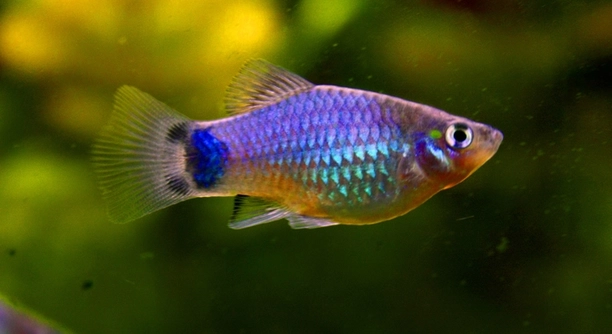
Many fish owners enjoy keeping platies as colorful and lively additions to their aquariums. Knowing when to adjust their diet is important for their health and well-being. Changes in diet can reflect the fish’s needs during different stages or conditions.
Platies require dietary changes at key times such as growth phases, breeding periods, illness, water temperature shifts, aging, stress, and changes in activity levels. Adjusting their nutrition accordingly supports their overall health and longevity.
Learning when to modify your platy’s diet helps maintain a vibrant, healthy fish. The following sections explain the key moments that call for these adjustments.
Growth Phases and Dietary Needs
When platies are young and growing, their nutritional needs change significantly. During these growth phases, they require more protein and vitamins to develop strong bodies and vibrant colors. Feeding them a diet rich in quality flakes or pellets formulated for growth supports this process. Including occasional live or frozen foods like brine shrimp or daphnia adds variety and essential nutrients. It is important to feed smaller amounts multiple times a day rather than a large quantity at once. Overfeeding can cause water quality issues, which negatively affect the fish. Adjusting the diet gradually during growth phases ensures the fish can absorb nutrients efficiently and stay healthy.
Platies in growth phases should have a higher-protein diet to support their development and prevent nutrient deficiencies.
Providing the right food during growth not only helps platies reach their full size but also improves their immune system. Consistent feeding routines and attention to quality nutrition help avoid stunted growth or weakened health in young fish. Regular observation during these times will also help identify if dietary adjustments are needed.
Breeding and Reproductive Diet
Breeding platies need a diet that supports egg production and fry development. High-quality foods rich in protein and essential fatty acids are crucial for breeding success. Supplementing with live or frozen foods can boost fertility and overall health. Breeders often increase feeding frequency and variety to meet these demands. It is also important to maintain clean water conditions during this period, as diet and environment work together to influence reproductive outcomes. Proper nutrition ensures stronger fry and better survival rates after birth. Failing to adjust the diet during breeding can result in weak offspring or reduced breeding activity. Maintaining a balanced and nutrient-rich diet supports both parents and young fish through the reproductive cycle.
Illness and Dietary Adjustments
When a platy is sick, its diet needs to change to support recovery. Easily digestible foods and added vitamins can help the immune system.
During illness, feeding softer foods like soaked flakes or specialized medicated food reduces stress on the digestive system. Avoid overfeeding, as it can worsen water quality and delay healing. Including immune-boosting supplements or vitamins can improve recovery speed. It’s important to observe the fish’s response to dietary changes and consult with a vet or experienced aquarist if symptoms persist. Proper diet during illness can make a significant difference in the fish’s ability to fight infection and regain strength.
Changing the diet carefully during illness helps platies recover faster and prevents further complications. Clean water and balanced nutrition are essential parts of this process.
Temperature Changes and Diet
Cold or warm water affects a platy’s metabolism and feeding needs. Adjusting diet helps them stay healthy during temperature shifts.
Lower temperatures slow digestion and activity, so platies need less food or easily digestible options. In warmer water, their metabolism speeds up, requiring more frequent feeding and nutrient-rich food to support increased energy use. Feeding the right amount prevents waste buildup and keeps water quality stable, which is crucial during temperature changes. Sudden diet shifts should be avoided to reduce stress, allowing the fish to adapt gradually. Monitoring feeding behavior during these times ensures platies maintain proper nutrition and overall health despite environmental changes.
Aging and Dietary Needs
Older platies have slower metabolisms and require less food to avoid obesity. Their digestive systems may also become less efficient.
Providing easily digestible foods with balanced nutrients supports their health. Reducing protein slightly and avoiding overfeeding helps maintain weight and energy levels.
Stress and Its Effect on Diet
Stress can reduce appetite or cause platies to refuse food. It’s important to offer calming environments and consistent feeding schedules.
Changes in Activity Levels
If a platy becomes more or less active, its dietary needs shift accordingly. Active fish require more nutrients and energy.
Water Quality and Feeding
Poor water quality can affect how well platies process their food. Clean water supports better digestion and nutrient absorption.
FAQ
How often should I change my platy’s diet?
Diet changes depend on specific needs such as growth, breeding, illness, or environmental factors. Generally, adjusting food during these key times supports their health. For stable adults in good conditions, a consistent diet with occasional variety is usually sufficient.
What are the signs that my platy needs a diet change?
Look for changes in behavior, appetite, color, or energy levels. Loss of appetite or lethargy may indicate illness or stress. Rapid growth or breeding activity signals increased nutritional demands. Noticing these signs early allows timely diet adjustments.
Can I feed my platy only flakes or pellets?
Flakes or pellets designed for tropical fish can form the main diet. However, adding live or frozen foods occasionally improves nutrition and stimulates natural feeding behavior. Variety helps prevent nutrient gaps and keeps fish interested in food.
Is it necessary to feed more during breeding?
Yes, breeding platies require more protein and energy. Increasing feeding frequency and adding nutrient-rich live or frozen foods supports egg production and fry development. Proper nutrition improves survival rates of the offspring.
How do temperature changes affect feeding?
Lower temperatures slow metabolism, so platies need less food and easily digestible options. Warmer water speeds up metabolism, increasing feeding frequency and nutrient needs. Sudden changes should be avoided to reduce stress.
What foods help sick platies recover?
Easily digestible foods such as soaked flakes or medicated food are best during illness. Adding immune-boosting vitamins or supplements supports healing. Avoid overfeeding to maintain water quality and prevent additional stress.
Should I change the diet as my platy ages?
Yes, older platies have slower metabolisms and need less protein and food to avoid obesity. Easily digestible foods help maintain health. Monitoring their weight and activity guides proper diet adjustments.
How does stress influence diet?
Stress can lower appetite or cause fish to refuse food. Maintaining a calm environment and feeding on a regular schedule helps reduce stress and encourages consistent eating habits.
What role does water quality play in diet?
Poor water quality can interfere with digestion and nutrient absorption. Keeping the aquarium clean supports overall health and makes dietary efforts more effective.
Can sudden diet changes harm my platy?
Sudden changes may stress platies and cause digestive issues. Gradual transitions in food types and amounts are safer and allow fish to adjust smoothly.
Is it okay to feed platies live food only?
Live food is nutritious but should not be the sole diet. Balanced flakes or pellets provide essential nutrients missing from live food alone. A mix ensures complete nutrition.
How often should I feed my platy daily?
Feeding two to three small meals per day is ideal. Overfeeding can cause water issues and health problems. Adjust portions based on activity, age, and health status.
What are signs of overfeeding in platies?
Cloudy water, leftover food, and sluggish fish may indicate overfeeding. It can lead to poor water quality and obesity. Feeding small portions helps prevent these problems.
Can I feed platies vegetables?
Yes, small amounts of blanched vegetables like spinach or zucchini can provide fiber and nutrients. Vegetables should be given occasionally and in small portions to avoid waste buildup.
Are supplements necessary for platy diets?
Supplements can be helpful during illness, breeding, or stress. They support immune function and overall health but are not required for healthy fish with a balanced diet.
Final Thoughts
Changing your platy’s diet at the right times is essential to keeping them healthy and thriving. Their nutritional needs shift depending on factors such as growth, breeding, illness, age, and environmental conditions. Paying attention to these changes and adjusting their food accordingly helps support their immune system, energy levels, and overall well-being. A diet that matches their current needs reduces the risk of health problems and promotes a longer, happier life for your fish.
It is important to provide a balanced diet with quality ingredients, including a mix of flakes, pellets, and occasional live or frozen foods. Variety helps prevent nutrient deficiencies and keeps your platy interested in eating. Feeding smaller amounts multiple times a day is better than large meals, as it mimics their natural feeding behavior and prevents water quality issues. Monitoring their behavior and appearance can give clues about when a dietary change is needed. For example, decreased appetite or changes in activity might mean the fish is stressed or ill and could benefit from a different diet or added supplements.
Taking care of platies means more than just feeding them well. Water quality, tank temperature, and a calm environment all affect how well they digest and use their food. Sudden changes in diet or environment should be avoided to reduce stress. Adjusting your platy’s diet thoughtfully, while keeping these other factors in mind, will improve their health and happiness. Consistent care and observation are key to knowing when to make changes and ensuring your platy remains a lively and colorful part of your aquarium.

Hello,
If you enjoy the content that we create, please consider saying a "Thank You!" by leaving a tip.
Every little bit helps us continue crafting quality advice that supports the health, happiness, and well-being of pets around the world, for pets of all shapes, sizes, and species.
We really appreciate the kindness and support that you show us!