
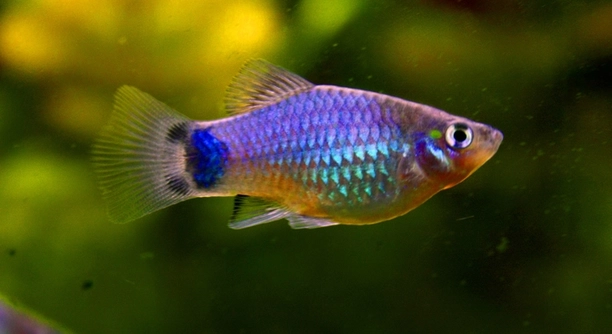
Are your platies twitching right after eating? Many fish owners notice this sudden movement and wonder what it means. It can be surprising to see your peaceful fish acting this way after a meal.
Platies twitching after eating is often caused by mild digestive discomfort or reaction to certain foods. This twitching is usually temporary and linked to their natural response to food processing or minor irritation in their digestive tract.
Knowing why this happens can help you care better for your fish. Understanding these signs can prevent unnecessary worry and ensure your platies stay healthy and comfortable.
Why Do Platies Twitch After Eating?
Platies twitch after eating mainly because their digestive system is adjusting to the food they just consumed. This twitching can happen if they eat too quickly or swallow food that is a little too large. When this occurs, their muscles may spasm briefly as they try to move the food through their digestive tract. Another common reason is a mild irritation caused by certain ingredients in their diet, such as foods that are too rich or hard to digest. Sometimes, water quality plays a role too. Poor water conditions can stress fish, causing unusual behaviors like twitching. It is important to watch your tank’s environment closely to rule out any water-related issues. Overall, this twitching is usually not harmful and passes quickly, but keeping an eye on your platies can help you spot if something else is wrong.
Twitching after eating often lasts only a few moments and then stops on its own.
If twitching continues for a long time or happens frequently, it may indicate a health issue like parasites or infections. In such cases, it’s best to check water parameters and consider consulting a vet experienced with fish.
How to Prevent Twitching in Your Platies
Maintaining clean water is one of the most effective ways to reduce twitching in platies. Regular water changes and checking the tank’s pH, ammonia, nitrite, and nitrate levels keep the fish comfortable. Feeding your platies a balanced diet with small, easy-to-digest portions can also help prevent twitching. Avoid overfeeding, as too much food can cause digestive upset and stress. Choose high-quality flakes or pellets designed for livebearers, and occasionally supplement with fresh vegetables or live foods for variety. If you notice twitching after introducing a new food, try switching back to their usual diet to see if the behavior stops. Monitoring your fish’s behavior daily lets you catch any early signs of illness or discomfort, allowing for timely care. Consistent tank maintenance and proper feeding habits create a healthier environment, reducing the chances of twitching and other stress-related symptoms in your platies.
Common Causes of Twitching After Eating
Twitching can be caused by several factors, including digestive upset, water quality, or stress. Sometimes, platies react to new foods or changes in their environment.
Digestive upset happens when food passes through their system too quickly or is hard to digest. Overfeeding can cause this by overwhelming their digestive organs. Also, sudden changes in diet might irritate their gut, leading to twitching. Water quality is another major factor; high ammonia or nitrite levels stress fish and affect muscle control. Keeping the tank clean and stable helps prevent twitching caused by environmental stress. Stress from overcrowding or aggressive tank mates can also cause twitching as a physical reaction to anxiety.
It’s important to observe your platies for any other signs of illness, like loss of appetite or discoloration. Early detection of health issues linked to twitching ensures prompt treatment, helping your fish recover faster.
When Twitching Signals a Health Problem
If twitching persists or is accompanied by other symptoms, it may indicate a health issue. Watch for signs like lethargy, clamped fins, or abnormal swimming patterns.
Parasitic infections, bacterial diseases, or poor water conditions can cause ongoing twitching. Parasites may irritate the skin or muscles, causing spasms. Bacterial infections often result from injuries or poor tank hygiene and can affect muscle control. Poor water quality, such as high nitrate levels, weakens fish immune systems, making them more prone to twitching and illness. Regular water testing and tank maintenance are essential to prevent these problems. If twitching continues despite good care, consulting a vet who specializes in fish may be necessary to diagnose and treat any underlying conditions properly.
Feeding Habits That Can Cause Twitching
Feeding platies too much or giving them large food pieces can cause twitching. Overfeeding leads to digestive issues and discomfort.
Platies need small, frequent meals. Feeding appropriate portions helps their digestive system process food smoothly and reduces twitching.
Water Quality and Its Impact on Twitching
Poor water quality stresses fish and can cause twitching after eating. High ammonia, nitrite, or nitrate levels affect muscle function and overall health. Regular water testing and changes are necessary to keep the environment stable. Clean water supports digestion and prevents twitching caused by toxic buildup.
Monitoring Your Platies’ Behavior
Keep an eye on your platies’ eating and swimming habits. Sudden twitching or unusual movements may signal a problem. Early observation helps catch health issues before they worsen.
When to Seek Help
If twitching persists or worsens despite good care, professional advice may be needed.
FAQ
Why do my platies twitch only after eating?
Twitching after eating is usually related to how their digestive system reacts to food. It can happen if they eat too quickly, swallow food that is hard to digest, or if the food causes mild irritation. Sometimes, slight muscle spasms occur as their body processes the meal. This behavior is common and often harmless if it stops within a short time.
Is twitching a sign of illness in platies?
Twitching by itself is not always a sign of illness, but if it continues for a long time or happens frequently, it may indicate a health issue. Illnesses such as parasites, bacterial infections, or poor water conditions can cause twitching along with other symptoms like lethargy, loss of appetite, or unusual swimming. Watch your fish carefully to see if other signs develop.
Can water quality affect twitching in platies?
Yes, poor water quality is a major cause of stress and twitching in platies. High levels of ammonia, nitrites, or nitrates can harm their muscles and nervous system, causing twitching. Regular water testing and cleaning help keep your fish healthy and reduce twitching caused by toxins.
How can I prevent my platies from twitching after meals?
Prevent twitching by feeding your platies small, easy-to-digest meals and avoiding overfeeding. Use quality foods designed for livebearers and avoid sudden diet changes. Maintain good water quality through regular water changes and monitoring tank parameters. Providing a stress-free environment with appropriate tank mates also helps reduce twitching.
Should I be worried if my platy twitches occasionally?
Occasional twitching after eating is generally not a concern. Many fish have small muscle spasms as their bodies adjust to food. If the twitching stops quickly and your platy behaves normally otherwise, there is usually no need to worry. Continuous twitching or other unusual behavior should be checked more closely.
What foods can cause twitching in platies?
Foods that are too rich, hard to digest, or given in large pieces can cause twitching. Overfeeding flake food or feeding too many live or frozen foods without proper balance can irritate their digestive system. Introducing new foods slowly and in small amounts can help prevent twitching caused by diet changes.
Can stress cause my platies to twitch?
Yes, stress from overcrowding, aggressive tank mates, or sudden changes in the tank environment can cause twitching. Stress affects muscle control and can lead to spasms. Keeping the tank stable, avoiding overcrowding, and choosing peaceful companions reduces stress and related twitching.
Is twitching related to parasites or infections?
Sometimes, twitching can be a symptom of parasites or bacterial infections. Parasites irritate the skin or muscles, causing spasms, while infections can weaken muscle control. If twitching is persistent and accompanied by other signs like spots, redness, or lethargy, it is best to treat the tank or consult a vet.
How often should I test my tank water to prevent twitching?
Testing water weekly is a good practice to prevent problems. Checking ammonia, nitrite, nitrate, and pH helps ensure a safe environment. Keeping water parameters stable lowers stress and reduces twitching caused by poor water quality.
What should I do if twitching continues despite good care?
If twitching continues after improving diet and water conditions, professional help might be needed. A vet who specializes in fish can diagnose underlying health problems. Early treatment is important to prevent further complications and help your platies recover.
Platies twitching after eating is usually a normal reaction to how their body processes food. It can happen if they eat too quickly or if something in their diet causes mild discomfort. Most of the time, this twitching lasts only a short while and does not harm the fish. Watching your platies regularly helps you notice when twitching is just a brief response or if it becomes a sign of something more serious. Understanding this behavior makes it easier to provide the right care and keep your fish comfortable.
Keeping your tank clean and maintaining good water quality are important steps to prevent twitching caused by stress or irritation. Fish are very sensitive to changes in their environment, and poor water conditions can lead to muscle spasms and twitching. Feeding your platies the right amount of food and choosing easy-to-digest options can also reduce twitching. Avoiding overfeeding and sudden diet changes helps keep their digestive system stable. These small but consistent efforts will help your platies stay healthy and active.
If twitching lasts longer than a few minutes or happens often, it might be a sign of health problems like infections or parasites. In such cases, watching for other symptoms and acting quickly is important. Testing the water regularly and consulting a fish vet if needed can save your platies from serious issues. Overall, paying close attention to your platies’ behavior and environment will help you catch problems early and ensure they live a happy and healthy life.

Hello,
If you enjoy the content that we create, please consider saying a "Thank You!" by leaving a tip.
Every little bit helps us continue crafting quality advice that supports the health, happiness, and well-being of pets around the world, for pets of all shapes, sizes, and species.
We really appreciate the kindness and support that you show us!