
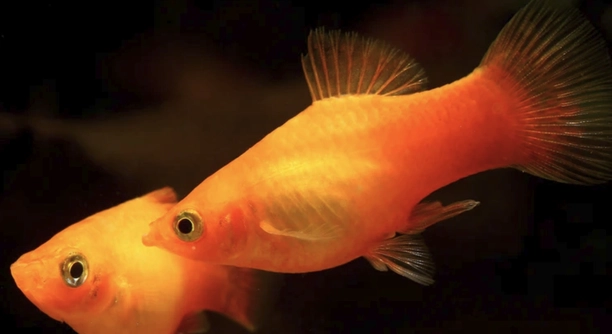
Keeping a solo platy entertained in its tank is important for its health and happiness. Many fish owners want simple and effective ways to make their fish’s environment more engaging. A well-stimulated platy tends to show more natural behaviors and stay active.
Providing a variety of enrichment items such as live plants, hiding spots, and floating decorations can help keep a solo platy engaged. Regularly changing the tank layout and offering occasional treats also contribute to mental and physical stimulation. These methods encourage natural activity and reduce boredom.
Finding easy ways to enrich your platy’s life can improve its overall well-being. Small changes can make a big difference in your fish’s daily routine and happiness.
Create a Natural Environment with Live Plants
Adding live plants to your platy’s tank is a great way to make the space feel more natural and interesting. Plants not only provide hiding spots but also improve water quality by absorbing nitrates. They give your fish places to explore and rest, which can reduce stress. Some easy-to-care-for plants like Java fern or Anubias work well in platy tanks. When plants grow, they also create different layers in the tank, encouraging your fish to swim at various levels. This variety helps keep a solo platy active and curious. Over time, you may notice your platy spending more time exploring among the leaves or resting behind the stems. It’s a simple step that can add life and movement to the tank, making it more enjoyable for your fish to live in.
Plants also help maintain a healthy tank environment by producing oxygen. This makes the water fresher for your platy and other tank inhabitants.
Changing the types and arrangement of plants can keep your platy interested. Adding floating plants can create shaded areas, giving your fish more places to hide or swim under, which mimics their natural habitat and helps them feel secure.
Use Decorations and Hiding Spots
Providing hiding spots and decorations is essential for a solo platy. Fish feel safer when they have places to retreat, especially if the tank has bright lighting or if there are other fish around. Items like small caves, ceramic tubes, or smooth rocks work well. Hiding spots reduce stress by giving your platy a sense of security, which can improve its health and behavior. Decorations also add visual interest to the tank, which benefits you as the owner. Changing the placement of decorations regularly can create a fresh environment without stressing your fish. This simple adjustment keeps the tank dynamic and engaging. Your platy will be encouraged to explore new areas, preventing boredom.
Switching up hiding spots periodically keeps your fish curious and active. It adds small surprises that encourage natural swimming patterns and exploration.
Provide Occasional Live or Frozen Foods
Offering live or frozen foods like brine shrimp or bloodworms adds variety to your platy’s diet. These treats stimulate natural hunting instincts and provide extra nutrients that flakes or pellets may lack.
Feeding live or frozen foods once or twice a week can greatly improve your platy’s overall health. These foods are rich in protein and encourage active behavior, keeping your fish engaged during mealtime. The movement of live prey also attracts your platy’s attention, making feeding time more stimulating and less routine. Be careful not to overfeed, as too many treats can affect water quality. A balanced diet that includes occasional live or frozen food supports both physical condition and mental activity.
Introducing these foods also helps replicate natural feeding habits. Watching your platy chase small live prey is rewarding and shows a more lively and curious pet. Over time, this can lead to a happier and healthier fish.
Maintain a Stable Water Environment
Keeping the water clean and stable is key to your platy’s well-being. Regular water changes and monitoring temperature help prevent stress and illness.
Stable water conditions reduce the risk of health problems that can cause lethargy or loss of appetite. Platies thrive in temperatures between 72 and 78°F (22-26°C) with a pH level around 7. Regularly test water parameters to catch issues early. Changing 20-30% of the water weekly removes waste and keeps the environment fresh. Use a good filtration system to maintain clarity and oxygen levels. When the water is stable, your platy will be more active and responsive, making it easier to notice changes in behavior.
Water stability also supports beneficial bacteria growth, which breaks down harmful toxins. This creates a balanced ecosystem where your platy can live comfortably. Ensuring these conditions helps maintain long-term health and reduces stress-related behaviors.
Add Floating Toys or Objects
Floating toys or lightweight objects can add fun and interest to your platy’s tank. Items like ping pong balls or small plastic rings gently move on the water surface, attracting your fish’s attention and encouraging playful interaction.
Changing these floating objects regularly keeps your platy curious. The gentle movement stimulates natural curiosity without stressing your fish, providing simple and safe entertainment.
Use Mirrors Sparingly
Mirrors can briefly stimulate your platy by reflecting its own image, making it think another fish is nearby. This may encourage active swimming and display behaviors. Use a mirror for short periods to avoid stress or aggression.
Adjust Lighting for Variation
Changing the lighting schedule or intensity adds natural variation to the tank environment. Soft, dim lights can encourage calm exploration, while brighter light can stimulate activity. Varying light helps mimic day and night cycles.
Introduce Gentle Water Flow
Creating gentle water movement with a filter or air stone adds stimulation by mimicking natural currents. This encourages your platy to swim actively and explore the tank more.
FAQ
How often should I change the decorations or plants in my platy’s tank?
It’s a good idea to change decorations or rearrange plants every few weeks. This keeps the environment fresh and interesting for your platy. Small changes encourage exploration and prevent boredom. However, avoid making too many changes at once to reduce stress.
Can a solo platy get lonely without tank mates?
Platies are social fish but can live alone comfortably if their environment is enriched. Providing hiding spots, plants, and occasional treats helps keep them engaged. While tank mates add social interaction, a well-maintained solo tank can still support a happy platy.
Is it safe to use mirrors for entertainment?
Mirrors can stimulate your platy by reflecting its image, encouraging activity. Use mirrors only for short periods, about 5-10 minutes, to prevent stress or aggressive behavior. Prolonged exposure can confuse or upset your fish.
What types of live plants work best for a platy tank?
Easy-care plants like Java fern, Anubias, and hornwort suit platy tanks well. They provide hiding spaces and improve water quality. These plants don’t need strong light or CO2, making them simple to maintain while keeping your platy’s habitat natural.
How often should I feed live or frozen foods?
Feeding live or frozen foods once or twice a week is enough. These treats add nutrients and stimulate natural hunting instincts. Avoid overfeeding to prevent water quality issues. Balance these treats with regular flakes or pellets for a healthy diet.
What water temperature is ideal for a solo platy?
Platies thrive between 72°F and 78°F (22°C–26°C). Keeping the temperature stable within this range helps maintain your platy’s health. Sudden changes can stress the fish, so use a reliable heater and thermometer to monitor tank conditions.
How important is water quality for a solo platy?
Water quality is essential for your platy’s well-being. Regular water changes and proper filtration remove waste and toxins. Testing pH, ammonia, nitrite, and nitrate levels helps catch problems early. Clean, stable water supports activity and prevents disease.
Can my platy recognize me or respond to my presence?
Platies can learn to recognize their owner over time. They often associate you with feeding and may swim closer when you approach. This behavior shows trust and curiosity, reflecting a bond formed through daily care and interaction.
Are floating toys safe for platies?
Yes, floating toys like lightweight plastic rings or ping pong balls are safe as long as they don’t have sharp edges. They gently move on the surface, attracting your platy’s attention. Change or clean these toys regularly to keep the tank healthy.
What is the best way to introduce new enrichment items?
Introduce new plants, decorations, or toys gradually. This allows your platy to adjust without stress. Observe how your fish reacts and remove anything that causes hiding or erratic behavior. Gradual changes promote a calm and stimulating environment.
Keeping a solo platy entertained is important for its health and happiness. A fish that has a stimulating environment tends to be more active and shows natural behaviors. Simple steps like adding plants, decorations, or occasional treats can make a big difference in how your platy feels. These small changes help prevent boredom and stress, which are common issues in single-fish tanks.
A good environment includes a mix of hiding spots, open swimming areas, and places to explore. Live plants work well because they provide shelter and improve water quality at the same time. Decorations and floating objects add interest and encourage your platy to move around. Changing these items regularly keeps the tank from becoming too predictable and boring. Your fish will be more curious and engaged when there is something new to investigate.
Taking care of water quality and feeding a balanced diet are also key parts of keeping your platy happy. Stable water conditions and regular cleaning prevent health problems and stress. Offering live or frozen foods occasionally adds variety and encourages natural feeding behavior. By combining these steps, you create a healthy and interesting space where your platy can thrive alone. These simple ideas help make solo platy care easier and more rewarding for both you and your fish.

Hello,
If you enjoy the content that we create, please consider saying a "Thank You!" by leaving a tip.
Every little bit helps us continue crafting quality advice that supports the health, happiness, and well-being of pets around the world, for pets of all shapes, sizes, and species.
We really appreciate the kindness and support that you show us!