
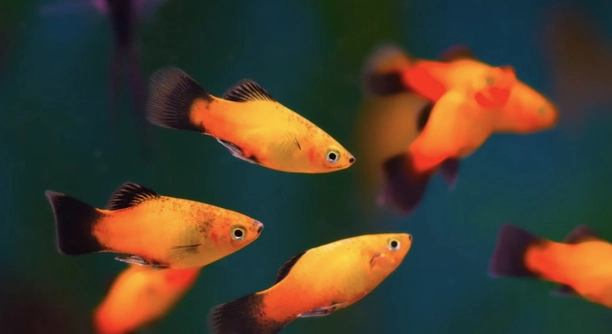
Is your platy acting differently since you brought it home, showing signs that something might not be quite right in its tank?
Platys that fail to adjust to a new environment often exhibit behavioral or physical signs, including lethargy, lack of appetite, erratic swimming, or faded coloration. These changes can indicate stress, poor water quality, or illness.
Recognizing these early signs is important for your fish’s well-being and can help prevent long-term issues in your aquarium.
Lack of Appetite
When a platy refuses to eat, it’s usually the first sign that something isn’t right. New surroundings can be stressful, and some fish need time to feel secure. However, if your platy consistently avoids food for more than two or three days, it’s worth checking water conditions and observing other behaviors. Make sure the temperature, pH, and ammonia levels are within a healthy range. Uneaten food should be removed promptly to avoid contamination. Try offering different types of food, including flakes, pellets, or frozen options. Sometimes variety helps stimulate their interest in eating again.
A healthy platy usually swims up eagerly during feeding time, so a lack of response can be easy to notice.
Appetite loss can also signal illness. Internal parasites or infections might not show immediate external symptoms. If water parameters are stable and your platy still won’t eat, consider isolating it to monitor behavior closely. Watch for stringy white feces or bloating, which may indicate digestive issues. Avoid overfeeding during this period, as uneaten food will lower water quality and stress the fish further. If needed, consult with a vet who specializes in aquatic animals. Acting early gives your platy the best chance to recover comfortably.
Erratic Swimming
Erratic swimming usually shows up as darting, spiraling, or rubbing against tank surfaces. This behavior can be unsettling to watch and should not be ignored.
Poor water quality is often behind sudden swimming changes. High levels of ammonia, nitrites, or unstable pH can affect a fish’s ability to move normally. Test your water immediately if your platy swims in unusual patterns. Swimming near the surface may point to oxygen shortages, while rubbing on decorations might mean parasites are irritating the skin. Ensure the tank is cycled properly and avoid overstocking, which can lead to stress. A stable, clean environment allows your fish to settle in better. Additionally, avoid sudden changes in lighting or loud sounds near the tank. Consistent routines help platys feel secure. Adding a few plants or decorations can also give them places to hide, making them less likely to act out due to stress.
Gasping at the Surface
Gasping at the surface is usually a sign your platy isn’t getting enough oxygen. This can be caused by poor water circulation, high temperatures, or overcrowding in the tank. It’s important to act quickly when you see this behavior.
Check the temperature first—warm water holds less oxygen, so anything above 78°F might be stressful. Make sure your filter is running well and not clogged, as proper circulation helps oxygenate the tank. An air stone or bubbler can also increase oxygen levels. Avoid overfeeding, since decaying food uses up oxygen and harms water quality. If other fish are also at the surface, test the water immediately. Consider a partial water change to refresh the environment. Gasping can also result from gill parasites, so keep an eye out for labored breathing or rubbing against surfaces.
If your platy continues to gasp despite clean water and proper equipment, it might be facing a deeper issue. Gill damage from past ammonia exposure could be affecting its ability to breathe. There’s also a chance of a bacterial or parasitic infection, especially if breathing seems fast and shallow. In such cases, separating the fish into a hospital tank allows for closer observation and possible treatment without affecting others. Early action is always best.
Clamped Fins
Clamped fins often mean your platy feels unwell or stressed. The fins appear tightly folded against the body instead of spread naturally. This behavior isn’t normal and can indicate environmental issues or illness. Immediate attention is necessary to prevent further decline.
Water conditions are usually the first thing to check. Even mild levels of ammonia or nitrites can cause discomfort. Use a test kit to ensure parameters are safe. Temperature changes, loud noises, or aggressive tank mates can also cause stress. Make the tank as calm and stable as possible. If water quality is fine, consider treating for parasites, as early stages of infection sometimes cause fin clamping before other signs appear. Avoid harsh lighting and strong currents during this time. If other fish show similar behavior, there may be a bigger problem in the tank. Quarantine new arrivals to prevent introducing illness. When caught early, many issues causing clamped fins can be reversed with care.
Faded Color
Faded color often signals that your platy is stressed or unwell. Bright, vibrant colors are usually a sign of good health. Poor diet, unstable water conditions, or a stressful environment can all lead to a dull or pale appearance.
Check for signs of aggression from tank mates or changes in lighting. Platys can also lose color when they’re frightened or adjusting to a new tank. Keeping conditions stable and calm can help them regain their natural brightness.
Hiding Constantly
Platys are usually active and curious, so hiding too much can be a sign of discomfort. If your fish is always staying behind decorations or at the bottom of the tank, it may be stressed, sick, or afraid. Observe closely to find what’s triggering the behavior—lighting, tank mates, or water conditions.
Flashing Against Objects
Flashing means your platy is rubbing or scraping its body against decorations, gravel, or tank walls. This usually signals irritation, often from parasites or poor water quality. If it happens frequently, take it seriously and inspect your tank’s conditions right away.
FAQ
How long does it take for a platy to adjust to a new tank?
Most platys adjust within a few days to a week if the water parameters are stable and the environment is calm. However, some may take up to two weeks to fully settle in. It depends on the fish’s personality, tank conditions, and whether it’s housed alone or with others. Keep lighting soft, noise low, and avoid rearranging decorations during this time. Feeding small amounts of high-quality food can also help them feel secure. Watch for signs of stress, like hiding or clamped fins, during the adjustment period.
What are the best water parameters for platys?
Platys thrive in freshwater with a temperature between 72°F and 78°F. The pH should be between 6.8 and 8.2, and ammonia and nitrites must be at 0 ppm. Nitrate should stay under 40 ppm. Regular water testing is important, especially when introducing new fish or changing water. A consistent routine helps platys stay healthy and active. Avoid sudden temperature changes, as they are sensitive to fluctuations. Keep the tank clean, and don’t overfeed to reduce waste buildup that harms water quality.
Can stress make my platy sick?
Yes, stress can weaken a platy’s immune system and make it more likely to get sick. Stress can come from poor water quality, aggressive tank mates, temperature changes, or sudden lighting shifts. When fish are stressed for long periods, they become more vulnerable to bacterial infections, parasites, and fungal diseases. You might see signs like faded color, clamped fins, or hiding. If you notice these behaviors, test the water first and observe interactions between fish. Addressing the cause early can help your platy recover faster and avoid serious illness.
Why is my platy swimming at the top all the time?
Constant surface swimming usually means the fish is trying to get more oxygen. Warm temperatures, overcrowded tanks, or poor filtration can reduce oxygen in the water. First, make sure the tank isn’t too hot and that the filter is running properly. Consider adding an air stone or bubbler to help oxygenate the water. If several fish are doing this, test the water immediately. Fixing the water quality or improving circulation usually helps correct this behavior quickly. Platys should swim throughout the tank, not just near the surface.
Is it normal for a new platy not to eat right away?
Yes, it’s common for a new platy to skip meals for the first day or two. Moving to a new tank can be stressful, and many fish need time to adjust before feeling comfortable enough to eat. Offer small amounts of food once or twice a day and remove any uneaten portions after a few minutes. Try offering different food types—flakes, pellets, or even thawed frozen food—to see what interests your fish. If the platy still refuses food after three days, check water parameters and observe for other signs of stress or illness.
Can platys live alone, or do they need to be in groups?
Platys are social and do better in groups, especially with other peaceful community fish. While they can survive alone, they often seem more relaxed and active when housed with others. A group of three or more is ideal. If your platy is hiding or acting shy, adding companions might improve its mood and behavior. Just make sure not to overcrowd the tank. A 10-gallon tank is a good minimum for a small group. Choose tank mates that won’t nip fins or cause stress.
Why is my platy flashing but looks fine otherwise?
Flashing can be one of the earliest signs of external irritation, even if the fish appears healthy in other ways. This may be due to poor water quality, a small parasite issue, or even new tank stress. Start by testing the water—especially ammonia and nitrite levels. If all levels are fine, monitor closely over a few days. If flashing continues or other symptoms appear (like clamped fins or faded color), you may need to treat the tank for parasites. Early action often prevents more serious problems.
Final Thoughts
Helping a platy adjust to a new environment takes patience, observation, and steady care. These small fish are known for being active and social, so any behavior that seems out of the ordinary should be taken seriously. Signs like not eating, clamped fins, or swimming oddly may seem minor at first, but they often point to larger issues such as poor water quality or illness. Acting early can prevent problems from getting worse. Even subtle changes, like fading color or frequent hiding, can show that your fish is not fully comfortable in its surroundings. By understanding what these signs mean, you can make small changes that will greatly improve your platy’s health and quality of life.
Keeping your aquarium clean, quiet, and properly filtered is key to making your platy feel secure. Testing your water regularly and maintaining steady temperatures can help prevent stress-related health problems. A well-balanced diet, consistent feeding times, and gentle tank mates also contribute to a stable environment. Try to avoid sudden changes in light, noise, or tank layout, especially when the fish is still adjusting. Every platy is different—some settle quickly, while others take more time. If your fish shows signs of stress, step back and take a closer look at the overall setup. A few simple adjustments may be all it needs to recover and thrive.
Monitoring your platy over time helps you catch new problems early. Behavior can shift gradually, so daily observation makes a difference. If your fish starts acting normally again—eating, exploring, and swimming comfortably—this means the changes you made are helping. But if symptoms continue, don’t hesitate to take further steps, such as isolating the fish or asking for advice from a knowledgeable source. In many cases, early action and good care can prevent the need for medication or more serious intervention. A calm, healthy aquarium not only supports your platy but also creates a more enjoyable space for you to care for and watch your fish grow. With regular attention and a little care, most platys adjust well and bring color and activity to your tank for years.

Hello,
If you enjoy the content that we create, please consider saying a "Thank You!" by leaving a tip.
Every little bit helps us continue crafting quality advice that supports the health, happiness, and well-being of pets around the world, for pets of all shapes, sizes, and species.
We really appreciate the kindness and support that you show us!