
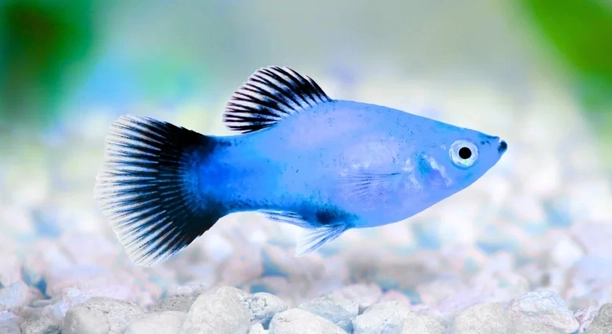
Do you ever notice how rearranging your fish tank can change the whole look and feel of the space? Many aquarium owners like to refresh their tanks now and then to keep things interesting. But it raises questions about how the fish inside react to these changes.
Platies are sensitive to changes in their environment and do notice when their tank is rearranged. Alterations to plants, decorations, or hiding spots can cause them to explore cautiously or become temporarily stressed as they adjust to the new layout.
Understanding how platies respond to rearrangements can help you create a more comfortable environment for them. This article will explore their behavior and what to expect after changing the tank setup.
How Platies React to Changes in Their Environment
Platies are naturally curious fish. When their tank is rearranged, they often take time to explore the new setup. This exploration helps them feel safe and understand where their hiding spots and food sources are now located. At first, they may act cautiously or hide more than usual. This behavior is a way for them to assess any new risks. After a day or two, most platies become more comfortable and resume their normal swimming patterns. Sudden or frequent changes, however, can cause stress and may affect their appetite or activity level. It’s important to observe how they behave after changes to ensure they adapt well. Giving them stable areas in the tank helps them feel secure. Overall, platies are quite adaptable but appreciate some consistency in their home environment.
Platies react best to gradual or thoughtful changes rather than sudden, large rearrangements.
Keeping decorations simple and familiar can reduce stress for your fish and promote healthier behavior.
Signs of Stress After Tank Rearrangement
Stress in platies may show in subtle ways that are easy to miss. Look for reduced movement, hiding constantly, or loss of appetite. Sometimes, fish might swim erratically or stay near the surface more often. These behaviors usually lessen as they get used to the new environment. If signs of stress last longer than a few days, it could mean the change was too disruptive or the new layout has poor hiding places. Stress affects their immune system and can lead to illness, so it’s important to act quickly. Providing plenty of plants or decorations where platies can hide helps them feel safer. You can also avoid rearranging the tank too often to minimize stress.
If platies show stress signs, consider returning some elements to their original spots for comfort.
When rearranging a tank, it’s helpful to plan the changes carefully to avoid upsetting your fish. Gradually introducing new decorations or plants over a few days allows platies to adjust slowly. Try to keep key hiding places similar or move them only a little. This reduces confusion and helps your fish feel secure. Observing their behavior after changes tells you how well they are adapting. If you notice prolonged hiding or loss of appetite, rearranging less frequently or more gently is advised. Good water quality and stable conditions also support recovery from stress. In general, platies tolerate change when it is moderate and predictable, so a careful approach makes a big difference in their wellbeing.
Preparing Your Tank Before Rearranging
Before rearranging, make sure the water conditions are stable. Test the water for pH, ammonia, nitrites, and nitrates. This helps avoid stressing the fish further. Clean decorations and plants if needed, but avoid using harsh chemicals that can harm platies.
Gather all new items you plan to add to the tank and rinse them well to remove dust or residues. Remove any fragile plants or decorations carefully to prevent damage. Planning the new layout on paper or a digital app can save time and reduce sudden changes. Having everything ready before starting helps the process go smoothly and keeps the fish’s environment calm.
Try to rearrange the tank during a quiet time when the fish are less active, like early morning or evening. Moving decorations slowly and gently reduces disruption. Avoid moving too many things at once to help platies adjust more easily. Replace any removed plants or hiding spots close to their original location to keep the environment familiar.
Helping Platies Adjust After Changes
Give platies extra hiding spots like plants or caves after rearranging. This helps them feel safer and reduces stress. Avoid feeding them too much at first, as their appetite might be affected. Keep an eye on water quality since stress can increase waste.
Monitor their behavior daily. If they start swimming more normally and exploring, it means they are adapting well. If stress signs continue beyond a week, consider reversing some changes or adding more plants to provide comfort. Make sure the lighting and temperature stay consistent to support their health. Sometimes, gentle background music or dimming the lights temporarily can help fish settle faster.
Offering a balanced diet with high-quality food supports their immune system during adjustment. Avoid sudden changes in feeding routines, and keep feeding times regular. Patience is important; most platies will return to their normal behavior within a few days to a week. Helping them through this period ensures a healthy and happy tank environment.
Timing Your Tank Rearrangement
Choose a time when the fish are least active, such as early morning or late evening. This helps reduce stress during the changes. Avoid rearranging during feeding times or when the tank lights are very bright.
Limit how often you rearrange the tank. Frequent changes can confuse platies and increase stress. Aim for small adjustments every few weeks instead of big changes all at once.
Impact of Rearrangement on Tank Ecosystem
Rearranging the tank can affect beneficial bacteria colonies on decorations and substrate. These bacteria help break down waste and keep water safe for platies. Moving or cleaning decorations too thoroughly may disrupt these colonies temporarily. To reduce this impact, avoid deep cleaning all surfaces at once. Instead, clean parts gradually over time. Keeping the filter running continuously during rearrangement also supports water quality. Monitoring water parameters closely after changes is important to catch any imbalances early. Maintaining a stable ecosystem helps platies stay healthy and stress-free as they adjust to their new environment.
Signs That Platies Are Comfortable
Platies swimming freely and eating well are good signs they feel secure.
How long do platies usually take to adjust after rearranging the tank?
Platies generally take a few days to about a week to adjust to changes in their tank. During this time, they may hide more or swim less as they get used to the new setup. The exact adjustment period depends on how big or sudden the change was. Smaller or gradual rearrangements often mean quicker adaptation. If they continue showing stress signs beyond a week, it might mean the environment is still uncomfortable or unstable.
Will platies recognize the tank if I rearrange it completely?
Platies rely on their memory and senses to navigate their space. If the tank is rearranged completely, it can confuse them at first. They may take longer to find hiding spots or food. However, platies are adaptable and usually learn the new layout with time. Keeping some familiar plants or decorations helps them feel more secure and eases the transition.
Can rearranging the tank cause illness in platies?
Rearranging alone does not directly cause illness, but the stress from sudden changes can weaken a platy’s immune system. This makes them more vulnerable to infections and diseases. Maintaining good water quality and stable conditions after rearranging is key to preventing health problems. Providing hiding spots also lowers stress and supports overall well-being.
How often is too often to rearrange a platy tank?
Changing the tank layout too frequently can cause ongoing stress for platies. It’s best to rearrange no more than once every few weeks. Small adjustments are better than big overhauls. Frequent changes prevent fish from feeling secure and can lead to poor health or behavior problems.
Are some decorations better than others when rearranging?
Soft plants and smooth decorations are easier for platies to explore and hide in. Sharp or rough objects can cause injuries and increase stress. Live plants also improve water quality and create natural hiding spots. When rearranging, try to keep decorations safe, natural, and familiar to the fish.
Do platies notice when only the plants are moved?
Yes, platies are very aware of changes to plants. Since plants provide shelter and comfort, moving them can cause temporary confusion or stress. It’s helpful to move plants gradually or keep some in the same place. This helps fish keep a sense of security and adapt more quickly.
What should I do if platies hide constantly after rearranging?
If platies hide more than usual, give them extra hiding places and avoid further changes. Make sure water conditions are good and feed them lightly but regularly. If hiding continues beyond several days, check for other stress factors like poor water quality or illness. Patience is important, as platies often come out once they feel safe.
Can rearranging the tank improve platy behavior?
Rearranging can stimulate platies by offering new places to explore and hide. This can encourage natural behaviors and reduce boredom. However, changes should be done carefully to avoid stress. A well-planned layout with plants, rocks, and caves helps platies stay active and healthy.
Is it okay to rearrange the tank while platies are inside?
It’s better to rearrange the tank without removing the fish. Moving decorations gently while platies swim around is less disruptive than taking them out. Just be slow and careful. If the tank is large, rearranging in sections helps maintain a stable environment.
How do I know if the water quality is affected after rearranging?
Test the water before and after rearranging for ammonia, nitrites, nitrates, and pH levels. Any sudden spikes may indicate a disruption to beneficial bacteria. Cloudy water or bad smells also suggest water quality issues. If this happens, partial water changes and careful cleaning can restore balance quickly.
Do platies prefer specific types of hiding spots after changes?
Platies like dense plants, caves, or smooth decorations that offer shelter. After rearranging, they tend to use familiar or secure spots first. Providing a variety of hiding places supports their need for safety and helps them feel comfortable in the new layout.
How can I help platies find food after rearranging?
Feed small amounts and place food near their usual feeding spots or near new hiding places. Watching how they explore helps you understand where they feel comfortable eating. Avoid overfeeding, especially if they seem stressed or less active.
What is the best way to rearrange without causing too much stress?
Plan changes in small steps and keep some familiar elements in place. Rearranging during low activity times and moving decorations gently helps. Monitor fish behavior closely and avoid changing water parameters at the same time. Consistency and patience are key.
Can rearranging help if platies are showing aggressive behavior?
Sometimes changing the tank layout can reduce aggression by breaking up established territories and adding new hiding spots. This encourages more exploration and less conflict. However, overcrowding and poor water conditions are often bigger causes of aggression, so address those first.
Is it normal for platies to swim near the surface after rearranging?
Platies may swim near the surface if they feel stressed or are searching for familiar cues. This behavior usually decreases as they settle in. If it continues, check oxygen levels and water quality to rule out other problems.
These answers cover common concerns about platies and tank rearrangement. Understanding their reactions and providing a stable, comfortable environment helps your fish thrive despite changes.
Rearranging a platy tank can bring fresh energy and a new look to your aquarium. It’s clear that platies notice when their environment changes, and they react in ways that show caution or stress at first. Knowing this can help you plan changes carefully so your fish feel safe and can adjust without too much difficulty. Small or gradual changes are often better than big, sudden ones. Giving your platies familiar hiding spots and keeping water conditions steady helps them settle faster. While it might be tempting to rearrange often to keep the tank interesting for you, remember that platies prefer stability and consistency for their well-being.
Watching your platies adapt to a new layout can be a good way to understand their behavior better. They may hide or swim less right after the change, but with time, most will return to their normal activities. This shows their ability to adjust and explore new surroundings. It’s important to keep a close eye on their behavior during this period, as prolonged hiding or loss of appetite could signal stress or health problems. Supporting them with proper care, good water quality, and a balanced diet will make the transition easier. Patience is key, as rushing the process or rearranging too often can create unnecessary stress for your fish.
In the end, rearranging your tank is a useful tool to refresh your aquarium and support your platies’ natural instincts to explore. Doing it thoughtfully ensures that the benefits outweigh any short-term stress. Always plan ahead, keep some familiar elements in place, and make sure the tank environment stays stable. By paying attention to your platies’ reactions and needs, you can enjoy a beautiful and healthy aquarium where your fish feel comfortable and safe. This balance between change and stability will help you maintain a happy home for your platies over the long term.

Hello,
If you enjoy the content that we create, please consider saying a "Thank You!" by leaving a tip.
Every little bit helps us continue crafting quality advice that supports the health, happiness, and well-being of pets around the world, for pets of all shapes, sizes, and species.
We really appreciate the kindness and support that you show us!