
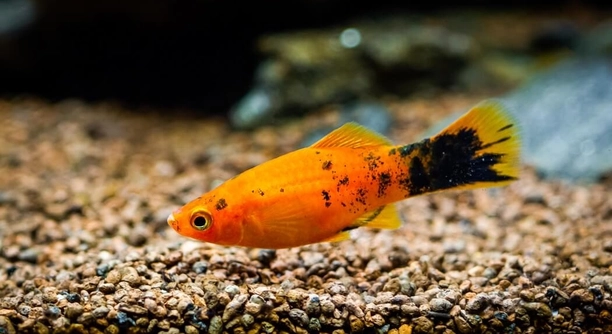
Do you ever find yourself setting up a new platy tank but feeling unsure about whether you’re doing everything right from the start?
The most common mistakes when setting up a platy tank include overstocking, poor water conditions, incompatible tankmates, and incorrect feeding. These issues can lead to stress, illness, and even death among your fish.
Understanding these common setup problems will help you create a safe and healthy environment for your platys from the very beginning.
Overcrowding the Tank
Overcrowding is one of the first mistakes many new platy keepers make. Platys are small, active fish that need space to swim, hide, and explore. While they may look comfortable in groups, too many fish in a small tank can lead to poor water quality, stress, and aggression. A 10-gallon tank is the minimum for a small group, but even then, it’s important not to add too many. A good rule is one inch of fish per gallon of water, but this doesn’t include space for plants, décor, or breeding. Platys breed easily, and a few fish can quickly turn into many more if not managed. Overstocking leads to high ammonia and nitrite levels, which can harm or kill your fish. Always plan for the long term when choosing how many platys to keep. Give them space to thrive, not just survive.
Too many platys can quickly overwhelm a small tank and lead to water problems and stressed-out fish.
It’s not just about space—water quality plays a big role in your platy’s health. Extra fish means extra waste, which leads to dangerous water conditions if your filtration isn’t strong enough. You’ll need to do frequent water changes to keep things stable.
Using Tap Water Without Treatment
Untreated tap water can harm or even kill your fish due to chlorine and heavy metals.
Most municipal tap water contains chlorine or chloramine, which is added to kill bacteria for human use. While safe for people, these chemicals are toxic to fish. Using untreated water in your platy tank can burn their gills, stress their immune system, and lead to early death. It’s essential to use a water conditioner each time you add new water to the tank. These conditioners neutralize harmful chemicals and make the water safe for your platys. Also, make sure the water temperature and pH are appropriate before adding it to the tank. Don’t assume the water is fine just because it looks clean. Invisible elements in untreated water can be deadly. Always read the label on your water conditioner and follow the directions carefully. A small step like treating your water properly can prevent a lot of health issues for your fish.
Choosing the Wrong Tankmates
Platys are peaceful fish, but that doesn’t mean they get along with everyone. Adding aggressive or fin-nipping fish can cause stress, injury, or even death. It’s best to choose calm, community-friendly species that won’t compete too much for space or food.
Fish like guppies, mollies, and corydoras usually make great tankmates. Avoid housing platys with bettas, tiger barbs, or large cichlids, as these species can be too territorial or aggressive. Even small fin-nippers can harass your platys, leading to stress and damaged fins. When fish are stressed, they’re more likely to get sick. Keep an eye on behavior early on—chasing, hiding, or damaged fins are all signs something’s wrong. If you’re unsure about compatibility, ask at a trusted fish store or research before buying. A peaceful tank is safer and healthier for your platys.
Even peaceful fish can become territorial in small spaces. That’s why tank size matters when mixing species. The more space your fish have, the less likely they are to compete or fight. Also, consider how active each species is. Overactive fish may crowd or annoy your platys, even if they’re not aggressive. Watch how fish interact after introducing them. Signs like nipping, tail damage, or hiding can mean the mix isn’t right. Separating incompatible fish early prevents problems later on. A stable, friendly tank community makes a huge difference in your platys’ well-being.
Skipping the Cycling Process
Skipping the nitrogen cycle can seriously harm your fish and destroy water stability. Ammonia levels rise fast, and without good bacteria in place, there’s nothing to break it down into safer forms.
Cycling your tank means letting beneficial bacteria grow before adding fish. These bacteria turn harmful ammonia into nitrites, then into less harmful nitrates. It usually takes about 4 to 6 weeks to complete a full cycle. During this time, use an ammonia source like fish food or pure ammonia to feed the bacteria. Test the water regularly for ammonia, nitrite, and nitrate levels. Many new fish keepers skip this step and add platys too soon. This causes ammonia spikes, which can burn the fish’s gills and weaken their health. Starting with a cycled tank gives your platys a stable and safe home from day one.
If you’ve already added fish and realize the tank wasn’t cycled, it’s not too late to fix things. Start by testing the water daily and doing partial water changes to reduce ammonia and nitrite. Add bottled bacteria to help speed up the cycle. Reduce feeding to lower waste, and avoid adding more fish until things are stable. Signs your tank isn’t cycled include cloudy water, fish gasping at the surface, or sudden illness. While it’s better to cycle first, acting quickly can still protect your platys. Staying on top of water quality during this stage is key to their survival and comfort.
Feeding Too Much
Overfeeding is a common issue and leads to water problems. Uneaten food breaks down quickly, raising ammonia and nitrite levels. Platys only need a small amount once or twice a day. Feed what they can finish in under two minutes.
Extra food also makes filters work harder and builds up waste in the tank. It’s better to underfeed slightly than to overdo it. A cleaner tank helps keep your platys healthy and reduces stress and illness. Stick to a routine and adjust portions based on how much your fish actually eat.
Using Inadequate Filtration
A weak or poorly maintained filter won’t keep the water clean or oxygen-rich. Platys produce waste, and without strong filtration, harmful toxins build up fast. Choose a filter rated for your tank size or one size larger. Regularly clean the filter media by rinsing it in old tank water—not tap water—to keep beneficial bacteria alive. Replace parts as needed, but not all at once. A good filter also keeps the water moving, which improves oxygen levels. Healthy filtration helps prevent disease, stress, and poor water conditions that can harm your platys over time.
Ignoring Water Temperature
Platys do best in water between 70°F and 78°F. If the temperature drops too low or rises too high, they may get sick or stop eating. Use a heater and thermometer to keep the water stable.
FAQ
How often should I clean my platy tank?
Cleaning frequency depends on tank size, number of fish, and filtration strength. A good rule is to perform a partial water change of 20-30% every one to two weeks. During these changes, vacuum the substrate gently to remove leftover food and waste. Avoid cleaning everything at once, as this can disrupt beneficial bacteria essential for keeping ammonia and nitrite levels low. Regular water testing helps determine if more frequent cleaning is needed. Maintaining a clean tank reduces stress and keeps platys healthy.
What is the best diet for platys?
Platys are omnivores and need a balanced diet. High-quality flake or pellet food designed for tropical fish works well as a staple. Supplement their diet with live or frozen foods like brine shrimp, daphnia, or bloodworms occasionally. Adding some blanched vegetables such as zucchini or spinach can also provide vitamins and fiber. Avoid overfeeding and remove uneaten food promptly to maintain water quality. Variety helps keep your platys vibrant and healthy.
Can I keep male and female platys together?
Yes, platys do well in mixed groups, but keep in mind females may get stressed if there are too many males. A common recommendation is to keep one male with two or three females to reduce harassment. Platys breed easily, so if you don’t want babies, be prepared to separate males or females or consider a community tank with compatible species to manage population growth.
Why are my platys’ fins torn or ragged?
Torn fins are usually a sign of aggression, fin-nipping tankmates, or poor water conditions. Check for fish that may be bullying your platys and remove any aggressive species. Ensure your water parameters are stable and perform more frequent water changes if needed. Ragged fins can also result from infections, so monitor your fish for other signs like discoloration or lethargy. Treating the tank with appropriate medication may be necessary in some cases.
Is it necessary to use a heater for platys?
Platys prefer stable water temperatures between 70°F and 78°F. If your room temperature fluctuates or drops below this range, a heater is necessary to keep them comfortable and healthy. Sudden temperature changes can stress fish and weaken their immune system. Using a reliable heater and thermometer ensures your tank stays within the ideal temperature range year-round.
How do I prevent algae growth in my platy tank?
Algae thrive in tanks with excess light and nutrients. Limit your tank’s light exposure to about 8-10 hours daily and avoid placing it in direct sunlight. Don’t overfeed, as leftover food increases nutrients that algae feed on. Regular water changes and maintaining proper filtration also help control algae. Adding live plants can compete with algae for nutrients and improve water quality. If algae growth becomes excessive, manually remove it and consider algae-eating tankmates like snails or shrimp.
What signs show my platys are stressed?
Common signs include hiding, loss of appetite, clamped fins, rapid breathing, and erratic swimming. Stress can result from poor water quality, aggressive tankmates, or sudden changes in the environment. Identifying and addressing the cause quickly can prevent illness. Regular monitoring of behavior and water parameters helps keep your platys comfortable and healthy.
Can platys live with shrimp or snails?
Platys generally coexist well with peaceful shrimp and snails. Species like cherry shrimp or mystery snails can be good tankmates. However, some larger or more aggressive snails may pose risks to shrimp or baby platys. Be mindful when introducing new species and watch for signs of aggression. These tankmates can help with algae control and add variety to the aquarium environment.
How do I handle breeding platys?
Platys breed easily without much intervention. If you want to encourage breeding, provide plenty of hiding spots with plants or decorations. Once pregnant, females may need to be separated to protect the fry from being eaten by adults. Fry can be fed finely crushed flakes or specialized fry food. Managing population is important since platys can multiply quickly in a small tank.
What water parameters are ideal for platys?
Platys thrive in slightly alkaline water with a pH between 7.0 and 8.2. Temperature should be steady between 70°F and 78°F. Hardness can range from moderate to hard. Regular testing of ammonia, nitrite, and nitrate is important—ammonia and nitrite should always be zero, while nitrates should be kept below 20 ppm. Stable water conditions contribute greatly to the health and longevity of your platys.
Final Thoughts
Setting up a platy tank requires careful attention to a few important details. From choosing the right number of fish to maintaining clean water, every step plays a role in creating a healthy home for your platys. Overcrowding and poor water quality are two of the biggest challenges new fish keepers face. Keeping the tank clean with regular water changes and avoiding overfeeding helps prevent problems before they start. A well-maintained tank not only keeps your fish healthy but also reduces stress and disease.
Choosing compatible tankmates and providing a stable environment are also important parts of caring for platys. These fish do best in peaceful communities with similar species. Aggressive or fin-nipping fish can cause stress and injury, which weakens their immune system. Keeping a consistent temperature and using proper filtration supports their health as well. Taking time to cycle your tank before adding fish ensures that ammonia and nitrite levels stay safe. This initial patience pays off by giving your platys a strong start.
Watching your platys regularly and learning about their needs will help you avoid many common mistakes. Pay attention to their behavior and appearance, and test your water often. Adjust your care routine based on what you observe. Remember that even small changes in water quality, temperature, or tank setup can affect your fish. When you provide a clean, stable, and peaceful tank, your platys will thrive and bring enjoyment for years. With a little knowledge and care, setting up a platy tank can be a rewarding experience.

Hello,
If you enjoy the content that we create, please consider saying a "Thank You!" by leaving a tip.
Every little bit helps us continue crafting quality advice that supports the health, happiness, and well-being of pets around the world, for pets of all shapes, sizes, and species.
We really appreciate the kindness and support that you show us!