
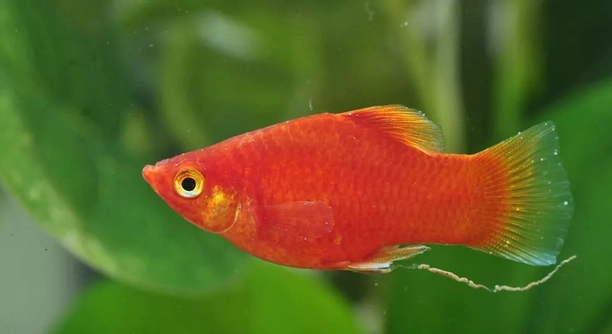
Are your platies showing unusual behavior in the tank? Platies are popular freshwater fish known for their vibrant colors and active swimming habits. Sometimes, their environment may be too cold, affecting their health and activity levels.
Platies become lethargic and swim less when water temperatures fall below their comfort range, usually between 70 and 78 degrees Fahrenheit. Cold water slows their metabolism, making them more prone to stress and illness. Identifying early signs of cold stress is crucial for their well-being.
Recognizing these signs will help you maintain a healthy environment for your platy, ensuring it stays active and happy in your aquarium.
Signs of Lethargy and Slow Movement
When your platy is too cold, you will notice it moves much slower than usual. Instead of swimming around actively, it might stay near the bottom of the tank or hide behind decorations. Its fins may look clamped or less spread out. These are clear signs the fish is not comfortable. The cold water slows its metabolism, making it harder for the platy to stay energetic and swim freely. If left unchecked, this can lead to serious health problems.
Cold stress can weaken a platy’s immune system, making it more vulnerable to diseases. You might also see it stop eating or react less to changes in the tank.
Watching your platy closely during colder days or after a water change helps catch these signs early. Adjusting the tank’s temperature gradually can bring back its usual liveliness.
Temperature Drops and Their Effects
Temperature fluctuations stress platies and affect their immune response. Consistent warmth is necessary to keep them healthy.
Platies prefer stable water between 70 and 78 degrees Fahrenheit. If the temperature drops below this, their body functions slow down. Their digestion becomes less efficient, leading to poor nutrient absorption. A colder tank can also disrupt breeding behavior. Sudden cold can cause shock or even death in severe cases. To avoid these issues, use a reliable aquarium heater and thermometer. Regularly check the water temperature, especially during colder months or when your home’s heating changes. Even small drops can make a big difference in how your platy feels. Preventing cold stress ensures your fish remains active, eats well, and stays disease-free. Consistency is key to maintaining their comfort and health in the aquarium.
Changes in Appetite
A cold platy often eats less or stops eating altogether. Their metabolism slows down, so they don’t feel as hungry as usual. This is one of the earliest signs to watch for.
Reduced appetite can lead to malnutrition if the temperature issue isn’t fixed quickly. Without enough food, your platy’s health will decline, making it harder to recover. It’s important to monitor feeding habits closely and check the tank’s temperature whenever you notice a change in appetite.
If your platy refuses food, raising the water temperature slowly to the ideal range can help restore its appetite. Using high-quality, nutritious food can also encourage eating once the fish starts feeling better.
Unusual Swimming Patterns
When platies are too cold, their swimming becomes erratic or uncoordinated. They might float near the surface or struggle to maintain balance.
These changes happen because cold water affects their muscle function and nervous system. Swimming near the surface could be a sign they’re trying to find warmer areas, though the tank water is usually uniform in temperature. Sometimes, they may appear to “twitch” or lose control when trying to swim normally. These behaviors should not be ignored as they indicate distress. Adjusting the temperature back to a comfortable range can improve their swimming patterns and overall activity.
Clamped Fins
Clamped fins are a common sign that your platy is too cold. The fins stay close to the body instead of spreading out naturally.
This posture reduces movement and indicates stress. It can make swimming more difficult and shows the fish is uncomfortable in its environment.
Gasping at the Surface
Platies gasping at the water’s surface may signal low oxygen, but cold water also plays a role. Cooler temperatures reduce oxygen circulation in the tank.
This behavior often happens when the fish is stressed by cold water. Ensuring proper temperature and good aeration helps prevent this problem and keeps your platy comfortable.
Color Fading
A cold environment can cause your platy’s colors to fade noticeably. The vibrant hues dull as the fish becomes stressed.
Color fading is a warning sign of poor health. Maintaining proper temperature will help your platy regain its bright appearance and vitality.
FAQ
How cold is too cold for a platy?
Platies thrive best between 70 and 78 degrees Fahrenheit. Temperatures below 68 degrees can cause stress and slow their metabolism. Prolonged exposure to water colder than this can lead to health problems and reduced activity.
What are the first signs that my platy is too cold?
Early signs include slower swimming, clamped fins, and less appetite. You might also notice your platy hiding more or resting near the bottom of the tank. These behaviors show the fish is uncomfortable with the water temperature.
Can cold water kill my platy?
Yes, if the water is too cold for too long, it can cause serious health issues. Prolonged exposure to cold stress weakens their immune system, making them vulnerable to infections and diseases, which can be fatal if untreated.
How quickly should I adjust the temperature if my platy is too cold?
Temperature changes should be gradual to avoid shocking the fish. Raise the tank temperature by about 1 to 2 degrees Fahrenheit every few hours until it reaches the ideal range. Sudden temperature swings can harm your platy.
What equipment do I need to maintain the right temperature?
A reliable aquarium heater and a thermometer are essential. The heater keeps the water stable, while the thermometer helps you monitor the temperature accurately. Check both regularly to ensure your platy’s environment remains comfortable.
Can other factors cause similar symptoms besides cold water?
Yes, poor water quality, illness, or stress from overcrowding can also cause lethargy, loss of appetite, and clamped fins. Always check water parameters and tank conditions along with temperature to find the root cause.
Is it safe to use a heater all year round?
Yes, especially if your home temperature fluctuates or drops below the ideal range. Keeping the heater on prevents temperature drops and maintains a steady environment, which is best for your platy’s health.
How do I know if my platy is recovering from cold stress?
Look for increased activity, normal swimming patterns, and renewed interest in food. The fins should start to spread out, and their colors will become brighter. Recovery times vary but usually improve within a few days of proper temperature adjustment.
Should I isolate a cold-stressed platy?
Isolation isn’t usually necessary unless the fish shows signs of disease or injury. Focus on correcting the water temperature and improving tank conditions. If illness develops, consider quarantine to prevent spreading to other fish.
Can cold water affect platy breeding?
Yes, platies are less likely to breed in colder water because their reproductive systems slow down. Maintaining warm, stable water encourages healthier breeding behavior and higher chances of successful fry development.
Maintaining the right water temperature is essential for keeping platies healthy and active. When the water gets too cold, these fish can quickly show signs of stress that affect their behavior, appetite, and overall well-being. Paying attention to changes like slow movement, clamped fins, or faded colors helps catch temperature problems early. By keeping the tank temperature steady between 70 and 78 degrees Fahrenheit, you create an environment where your platy can thrive. This range supports their metabolism, digestion, and natural activity levels.
Cold water slows down a platy’s body functions and weakens its immune system, making it more vulnerable to illness. This means even a small drop in temperature can lead to health issues if not addressed promptly. Using a reliable aquarium heater and thermometer is the best way to prevent these problems. Regularly monitoring the water temperature and making gradual adjustments keeps your platy comfortable. Avoid sudden changes that can cause shock. Taking these steps helps maintain a balanced and stable habitat, which is key to your fish’s long-term health.
Understanding the signs that your platy is too cold gives you the chance to fix the issue before it becomes serious. Early signs like loss of appetite and unusual swimming patterns are important to watch for. If your fish seems stressed, raising the temperature slowly back to the ideal range can help restore its energy and normal behavior. Keeping the tank warm and stable supports your platy’s vibrant colors and happy swimming habits. With consistent care, your platy will enjoy a healthy, comfortable home that encourages it to live a full, active life.

Hello,
If you enjoy the content that we create, please consider saying a "Thank You!" by leaving a tip.
Every little bit helps us continue crafting quality advice that supports the health, happiness, and well-being of pets around the world, for pets of all shapes, sizes, and species.
We really appreciate the kindness and support that you show us!