
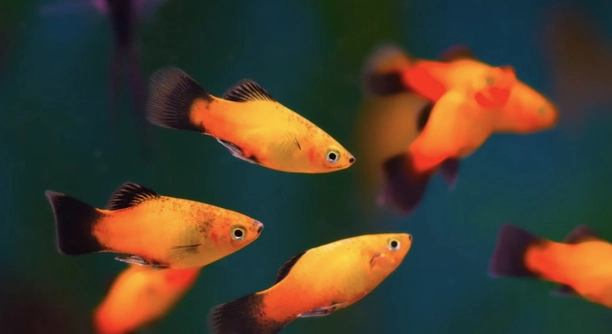
Do you ever wonder what kind of gravel is best for your platies’ tank? Choosing the right substrate can impact their comfort and behavior. Many fish owners try to find the perfect balance between appearance and practicality.
Platies generally prefer smooth gravel over textured gravel because it is gentler on their delicate fins and bodies. Smooth gravel reduces the risk of injury and helps maintain cleaner water conditions, supporting healthier fish and a better tank environment.
Understanding substrate preferences can improve your platies’ wellbeing and tank maintenance. This article will help you choose the right gravel for a happy, healthy aquatic home.
Why Gravel Texture Matters for Platies
Gravel texture plays an important role in the daily life of platies. These small fish have soft fins that can be easily damaged by sharp or rough surfaces. Smooth gravel provides a safe environment, allowing platies to swim and rest without risk of injury. It also makes cleaning the tank easier because debris tends to stick less on smooth surfaces. On the other hand, textured gravel can trap food and waste, which may cause water quality to decline if not cleaned frequently. Choosing the right gravel helps reduce stress for your fish, contributing to their overall health. While appearance is important, considering how the gravel feels under the fish and its impact on tank maintenance can improve the care you provide. When selecting gravel, think about how it will affect both your platies’ wellbeing and your ease of tank upkeep.
Smooth gravel supports better fish health and simpler tank cleaning compared to rough or textured options.
The size and shape of gravel also influence platies’ behavior. Smaller, rounded pieces are easier for fish to swim over and explore. Larger or jagged gravel can discourage activity or cause fin damage. Platies often like to rest on the bottom, so smooth surfaces offer comfort. Some owners mix gravel types for aesthetics but should watch for any signs of fin wear or stress. Testing different gravel options while observing your fish can help you find what works best. Maintaining clean water is easier with smooth gravel, which supports a healthier environment by reducing trapped debris. Overall, smooth, small, rounded gravel is a practical choice to keep your platies comfortable and your tank clean.
How Gravel Affects Tank Maintenance
Smooth gravel makes cleaning the tank faster and more effective. Waste and uneaten food are easier to spot and remove because they do not get stuck in tiny crevices like in textured gravel. This reduces the buildup of harmful bacteria and keeps water clearer. It also means less frequent deep cleaning is needed, which is better for the fish. In contrast, textured gravel can hold debris in its rough surfaces, causing water quality problems over time. This can lead to more algae growth and stress for platies. While textured gravel can look natural and appealing, it requires more care to maintain a healthy tank. For busy fish owners, smooth gravel offers a balance of beauty and practicality, making it easier to provide a safe and clean home for platies.
Choosing the Right Gravel Size for Platies
Gravel size matters for platies because it affects their comfort and tank cleanliness. Smaller, smooth gravel is usually best to prevent injury and make cleaning easier.
Small gravel allows platies to move freely without risking fin damage. It also traps less debris, making tank maintenance simpler. Large or rough gravel can hurt delicate fins and create hiding spots for waste, which may reduce water quality. When picking gravel, consider the fish’s safety and how much effort you want to spend cleaning. Choosing the right size supports healthier fish and a cleaner tank environment.
Mixing gravel sizes can look nice but risks injury if sharp edges are present. Consistent, smooth gravel is safer and easier to manage. It keeps the tank looking neat and reduces places where harmful bacteria might grow. For platies, small, rounded gravel creates a stable, comfortable bottom layer and helps keep the aquarium clean longer.
Impact of Gravel Color on Platies’ Behavior
Gravel color influences how platies feel and behave in the tank. Natural, muted colors help fish feel secure and reduce stress. Bright or overly dark gravel may cause hesitation or hiding. Choosing soft colors that mimic their natural habitat encourages more activity and natural behavior.
Bright gravel might look attractive but can make fish anxious. Neutral tones like beige, light brown, or soft gray provide a calm environment. Platies rely on their surroundings for comfort and safety. Color affects how visible they feel and can change feeding and swimming habits. A well-chosen gravel color supports healthier and more active fish, improving their overall wellbeing.
Cleaning Tips for Gravel
Regular cleaning is essential to keep gravel safe for platies. Use a gravel vacuum to remove debris without disturbing the substrate too much. Avoid harsh chemicals that could harm your fish.
Cleaning gravel weekly helps prevent buildup of waste and harmful bacteria. This keeps water quality high and fish healthy. A gentle approach protects the gravel texture and maintains a pleasant environment for platies.
Gravel Material Options
Natural river rocks, quartz, and specially designed aquarium gravel are common choices. Each has different textures and benefits, but smooth materials are best to avoid fin damage. Some materials can affect water chemistry, so choose accordingly.
Signs Gravel May Not Be Suitable
If platies show signs of torn fins or stress, the gravel texture or size might be too rough. Watch for increased hiding or reduced activity as well. These can indicate discomfort with the substrate.
FAQ
Do platies really notice the difference between smooth and textured gravel?
Yes, platies can be sensitive to the feel of the gravel in their tank. Their fins are soft and can easily get damaged by rough or sharp surfaces. Smooth gravel provides a gentler environment where they can swim and rest without injury. While fish don’t “think” about gravel like humans do, their behavior often changes based on comfort and safety. If they seem more active or relaxed on smooth gravel, it’s a good sign they prefer it.
Can textured gravel harm my platies?
Textured gravel has rough edges that can cause tears or scratches on platies’ fins and bodies. This can lead to infections or stress. The risk depends on how sharp the gravel is and how often the fish interact with the substrate. Some owners report fin damage or increased hiding when using rough gravel. For platies, smooth and rounded gravel is a safer choice to prevent injury and support good health.
Is smooth gravel harder to clean than textured gravel?
Actually, smooth gravel is easier to clean. Waste and uneaten food don’t get trapped in crevices like they do with textured gravel. This makes vacuuming the gravel more effective and reduces harmful bacteria buildup. Smooth gravel also allows water to flow better through the substrate, improving filtration. While textured gravel may look more natural, it requires more maintenance to keep the tank healthy.
What size gravel is best for platies?
Small to medium-sized gravel pieces that are smooth and rounded work best. Gravel that is too large or jagged can cause injury or discourage fish from exploring the tank floor. Smaller gravel also makes it easier to spot debris and clean the tank regularly. A uniform gravel size provides a comfortable and safe environment for platies while helping maintain water quality.
Does gravel color affect platies’ behavior?
Yes, gravel color can influence how comfortable platies feel. Natural, muted tones like beige, light brown, or gray help create a calm environment. Bright or very dark gravel may cause fish to become more shy or stressed. Platies rely on their surroundings for security, so choosing colors that mimic their natural habitat supports natural behavior and activity.
Can I mix smooth and textured gravel?
Mixing different gravel types is possible, but it comes with risks. Rough or sharp pieces may injure fish, even if most of the substrate is smooth. Mixed gravel can also trap more debris, making cleaning harder. If you choose to mix gravel, watch your platies closely for signs of fin damage or stress. A consistent, smooth substrate is usually better for their wellbeing.
Will gravel affect water quality?
Gravel itself usually doesn’t harm water quality, but it can affect how debris collects in the tank. Textured gravel traps more waste, which can lead to water issues if not cleaned regularly. Smooth gravel allows easier removal of waste and better water flow. Some types of gravel, like limestone, can change water chemistry, so choose materials carefully to match your tank’s needs.
How often should I clean the gravel?
Cleaning gravel once a week is ideal to maintain water quality and keep platies healthy. Use a gravel vacuum to remove leftover food, waste, and debris without disturbing the substrate too much. Regular cleaning prevents harmful bacteria buildup and reduces algae growth. Consistency in cleaning helps create a stable environment for your fish.
Can platies live without gravel?
Yes, platies can live in tanks without gravel, such as in bare-bottom tanks or those with sand. However, gravel helps with biological filtration by providing a surface for beneficial bacteria to grow. It also offers fish a more natural environment to explore and rest on. If you prefer no gravel, you’ll need to maintain extra care in water quality and tank cleaning.
Is gravel necessary for breeding platies?
Gravel is not strictly necessary for breeding platies, but smooth gravel can provide a safe place for fry to hide and avoid being eaten. It also makes cleaning easier during breeding. Some breeders prefer fine sand or bare tanks for easier fry collection. The key is to provide an environment that keeps both adults and babies safe and healthy.
Choosing the right gravel for your platies is an important part of creating a healthy tank environment. Smooth gravel tends to be the best option because it is gentle on the fish’s delicate fins and bodies. Rough or textured gravel can cause injury, which can lead to stress and illness. When platies feel safe and comfortable, they are more likely to swim actively and show natural behaviors. This simple choice in substrate can make a big difference in their wellbeing over time. It also helps reduce the chance of damage, which means fewer worries about treating fin problems or infections.
Another key point to remember is that smooth gravel makes tank maintenance easier. Because it does not trap debris as much as textured gravel, waste and uneaten food are easier to remove. This helps keep the water clean and healthy, which is crucial for platies’ long-term care. A clean tank means less work and better conditions for your fish. Although some textured gravels may look nice or mimic natural riverbeds, the extra effort needed to keep them clean might not be worth it. Smooth gravel strikes a good balance between appearance, fish comfort, and practicality.
Finally, consider the size and color of the gravel when setting up your tank. Small, rounded pieces are safer and easier for platies to navigate. Soft, natural colors create a calm atmosphere, helping your fish feel secure. Avoid very bright or sharp gravel that could cause stress or injury. Paying attention to these details will help create a comfortable and inviting home for your platies. Overall, choosing smooth, small, and softly colored gravel supports both your fish’s health and your ease of care. It is a simple step that can lead to a happier, healthier aquarium.

Hello,
If you enjoy the content that we create, please consider saying a "Thank You!" by leaving a tip.
Every little bit helps us continue crafting quality advice that supports the health, happiness, and well-being of pets around the world, for pets of all shapes, sizes, and species.
We really appreciate the kindness and support that you show us!