
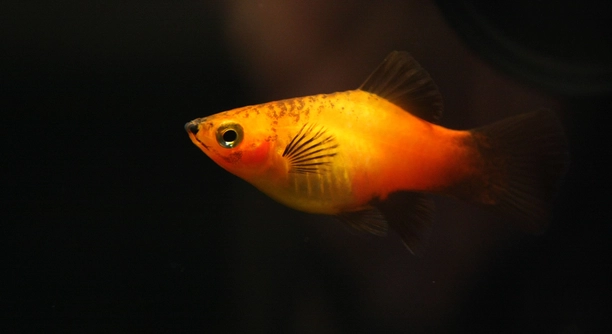
Are your platies swimming together one moment and suddenly chasing each other the next? It can be hard to tell what’s normal.
Platies show signs of harmony through synchronized swimming, shared space without aggression, calm behavior during feeding, and minimal fin nipping. These indicators suggest that your fish are socially comfortable, reducing the likelihood of stress-related health problems.
Recognizing these small behaviors will help you create a peaceful aquarium where your platies can live happily and thrive together.
Watching Their Swimming Patterns
Platies that get along usually swim calmly near each other. You may notice them gliding through the tank together or hovering around the same areas without showing signs of stress. They don’t dart away suddenly or act territorial. When platies are comfortable, their movements are steady and relaxed. Chasing can sometimes happen, especially during mating, but aggressive chasing is a different matter—it looks more frantic and one-sided. A platy that’s constantly hiding or being singled out may be getting bullied. Observing their swimming behavior gives you the first clue about their social balance, especially if they’re active and peacefully sharing space.
Watch for quick darting, persistent chasing, or one fish staying away from the others. These are early signs of stress or tension.
If your platies swim together with ease and rest near one another, it’s usually a sign of peaceful interaction. Consistent aggression, on the other hand, means something isn’t right.
Checking for Fin Nipping
Fin nipping is one of the first visible signs of trouble in a platy tank.
When platies get along, their fins remain smooth and intact. Damaged or torn fins often point to ongoing aggression. This can lead to stress, infection, or disease. Fin nipping may happen during feeding or when a new fish is added. Sometimes, overcrowding or lack of hiding spaces increases tension. You’ll notice one fish targeting another, especially around the tail or dorsal fin. If the behavior continues, it disrupts the group dynamic and makes the tank environment unsafe. It’s important to monitor who’s doing the nipping and how often it happens. Platies are usually peaceful, but if one starts acting out, it can affect the whole group. Isolating the aggressive fish, rearranging the tank layout, or adding more plants can help reset the balance and reduce stress levels for everyone in the tank.
Observing Feeding Behavior
Peaceful platies usually eat together without chasing or guarding the food. Aggressive ones may push others away or eat quickly to dominate the area. Watching how they behave during feeding tells you a lot about their social balance in the tank.
If one platy constantly guards the food area or charges at others during mealtime, it can create stress and cause weaker fish to go hungry. Balanced feeding means everyone gets a chance without fear or rushing. You’ll often see peaceful groups waiting their turn or gently nudging through the food. If feeding time becomes chaotic, consider spreading the food across different spots in the tank. This reduces crowding and lowers competition. A well-fed group tends to be calmer and more social. Sudden changes in feeding behavior can also signal tension, so keep an eye on how your platies interact whenever food is added.
Consistent feeding routines help reduce stress and tension. Platies that know food will come regularly are less likely to act aggressively. Make sure all your fish are eating—especially the smaller or quieter ones. If you notice one avoiding food or hanging back, it may be getting bullied. Small adjustments to your feeding habits can make a big difference in their behavior and overall comfort.
Noticing Resting Spots
Peaceful platies often rest in the same areas without conflict. They may stay near plants, behind decorations, or along the bottom of the tank. If one fish avoids others and hides all the time, that’s not a good sign.
When platies are getting along, they tend to use the tank space evenly. You’ll see them resting in calm areas together or exploring without chasing each other away. If one or two fish constantly retreat to a corner or stay hidden behind objects, they may be avoiding aggression. It’s helpful to add more resting spots and visual barriers, like plants or caves, to give each fish a place to relax. A peaceful environment means everyone can claim space without stress. If resting becomes tense or territorial, it’s time to look closer at the group dynamics. Even subtle changes in where your platies spend their time can tell you a lot about how well they’re getting along.
Tracking Color and Stress Changes
Healthy, peaceful platies keep bright, steady coloring. Stress from fighting or bullying can dull their colors or make them appear faded. Watch for sudden shifts in shade, especially after aggressive interactions or during changes in tank conditions.
Stress also shows through clamped fins or sudden hiding. If a platy’s behavior changes along with its color, it’s likely reacting to tension. Creating a stable, calm environment helps maintain both their health and natural appearance.
Listening for Tank Activity
Sudden splashing, chasing, or frantic swimming often points to stress or conflict. A peaceful tank sounds soft, with smooth movements and no sharp reactions.
Watching for Breeding Behavior
Breeding behavior in platies can look aggressive, especially when males chase females. This chasing is often short and repetitive, not meant to harm. It’s important to spot the difference between mating behavior and bullying. If one fish constantly targets another, it may need to be separated.
FAQ
How many platies should be kept together to reduce aggression?
Platies are social fish that do best in groups of at least five. Keeping them in small groups reduces the chance of one fish being singled out or bullied. A larger group spreads any aggression evenly, making it less intense. Avoid keeping only two or three platies, as smaller numbers increase territorial disputes and stress.
What signs indicate my platies are stressed from fighting?
Look for torn fins, faded colors, hiding, and erratic swimming. Stress often causes a platy to stay away from the group or lose appetite. Constant chasing and fin nipping are clear signs of tension. Stress weakens their immune system, making them more vulnerable to illness, so prompt action is important.
Can introducing new platies cause aggression?
Yes, adding new fish can disrupt tank harmony. Established groups may see newcomers as threats, leading to chasing or fin nipping. To reduce aggression, introduce new platies slowly. Use a quarantine tank first and rearrange decorations to reset territories. Monitoring the tank closely after introduction is important to prevent ongoing stress.
How can tank setup influence platy behavior?
A well-planted tank with hiding spots lowers aggression. Plants, rocks, and decorations break line of sight and provide retreats for shy fish. Overcrowded tanks increase stress and conflict, while spacious setups allow fish to spread out. Maintaining good water quality also reduces stress and promotes peaceful behavior.
Is fin nipping always a sign of aggression?
Not always. Sometimes fin nipping happens during play or mating, but repeated fin damage usually signals bullying. If you notice damaged fins or a fish constantly chased, it’s important to separate aggressive fish or improve tank conditions. Regular observation helps catch this early.
How do I know if my platies are mating or fighting?
Mating chasing is generally brief and involves males pursuing females with no serious harm. Fighting is more intense, with aggressive lunges, biting, and one-sided attacks. Mating behavior stops after fertilization, while fighting continues and stresses the fish. Separating aggressive males may be necessary.
What should I do if one platy is being bullied?
Consider isolating the aggressive fish to stop the bullying. Rearranging the tank’s layout can disrupt established territories and reduce tension. Adding more plants and hiding spaces allows the bullied fish to escape. Ensuring proper feeding distribution also helps the weaker fish get enough food.
Can changes in water conditions cause aggression?
Yes, poor water quality can increase stress and aggressive behavior. High ammonia, nitrite, or nitrate levels irritate fish and disrupt social order. Regular water testing and maintenance keep conditions stable and support peaceful interactions. Stable temperature and pH levels are also important.
How often should I observe my platies for signs of aggression?
Daily observation, even for a few minutes, helps catch problems early. Watch for chasing, fin damage, and hiding. Early detection prevents stress from escalating and protects fish health. Keeping a tank journal with notes on behavior can be useful over time.
Are male or female platies more aggressive?
Male platies tend to show more territorial and competitive behaviors, especially during breeding. Females are usually less aggressive and more tolerant of group living. Having more females than males in a tank can reduce aggression levels and create a more peaceful environment.
Can diet affect platy behavior?
Yes, a well-balanced diet supports health and calm behavior. Poor nutrition can cause irritability or weaken fish, making them more vulnerable to stress. Feeding high-quality flake food supplemented with live or frozen options promotes better health and social harmony.
Is it normal for platies to chase each other sometimes?
Brief chasing can be normal, especially during mating or establishing hierarchy. However, persistent, aggressive chasing with fin damage is not normal and should be addressed. Normal chasing does not cause injury or continuous stress.
What role does tank size play in platy social behavior?
Larger tanks give platies more room to swim and establish territories. Small tanks increase crowding and competition, leading to more aggression. A minimum of 20 gallons for a small group is recommended to keep stress and conflicts low.
How can I reduce aggression without removing fish?
Adding plants and decorations to create hiding places helps. Spreading food in multiple areas reduces competition. Adjusting lighting or water flow to create calm zones can also reduce stress. Regular water changes and stable conditions support peaceful behavior.
What health problems can arise from platy aggression?
Stress from aggression can weaken the immune system, leading to infections, fin rot, or other diseases. Injuries from fighting can become infected if untreated. Maintaining peace reduces health risks and improves overall lifespan.
Can certain platy strains be more aggressive?
Some strains may have slight temperament differences, but aggression mainly depends on environment, tank setup, and group size. Selecting peaceful strains and providing good care helps keep aggression low regardless of the variety.
Final Thoughts
Keeping platies together peacefully requires paying attention to their behavior and environment. Observing how they swim, eat, and rest gives important clues about their relationships. When platies share space calmly and show no signs of stress, it usually means they are getting along well. Small signs like chasing during mating or minor fin nipping can be normal, but constant aggression should never be ignored. A peaceful tank helps your platies stay healthy and happy.
It is important to provide a suitable tank setup to support good social behavior. Having enough space and plenty of plants or decorations offers hiding spots and reduces territorial disputes. Feeding routines should be consistent and food spread across the tank to prevent competition. Keeping water quality stable and monitoring changes in behavior can prevent many problems. If aggression appears, acting quickly by separating aggressive fish or rearranging the tank can restore balance. Sometimes a simple change in environment is all it takes to calm stressed fish.
Understanding your platies’ social signals helps maintain a harmonious aquarium. Remember that stress weakens their health and can lead to illness. By watching for signs like fin damage, hiding, or color changes, you can intervene early. Regular observation and good tank care are key. With patience and attention, you can create an environment where your platies thrive together peacefully over time.

Hello,
If you enjoy the content that we create, please consider saying a "Thank You!" by leaving a tip.
Every little bit helps us continue crafting quality advice that supports the health, happiness, and well-being of pets around the world, for pets of all shapes, sizes, and species.
We really appreciate the kindness and support that you show us!